Alternative Grass: Eco-friendly Lawn Options for your Garden

Emily Greenfield
February 8, 2023
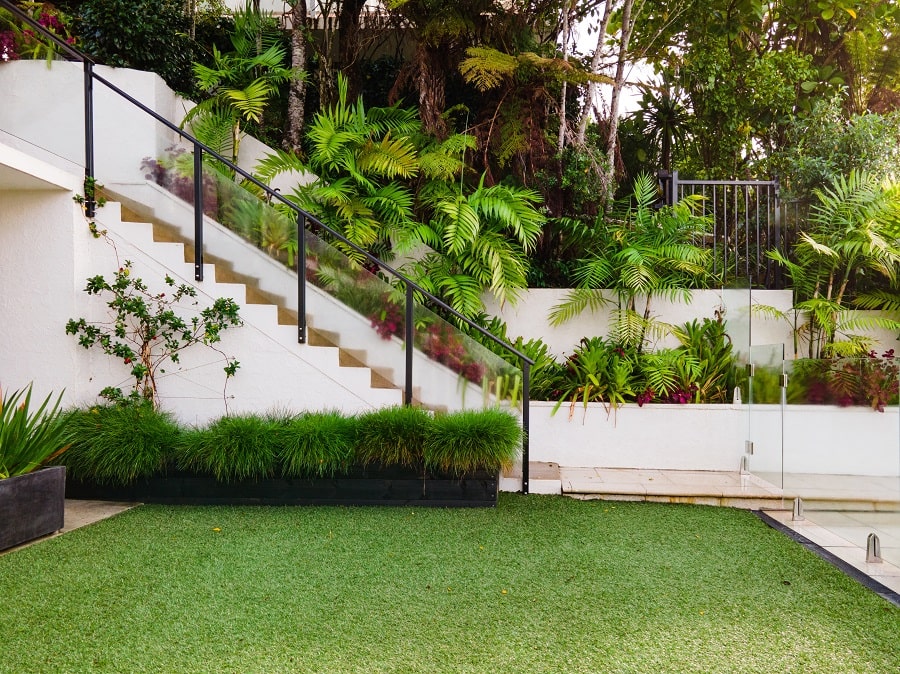

An alternative to grass is any landscaping option that replaces a traditional lawn without the water, mowing, and upkeep grass demands, including ground covers, wildflowers, and artificial grass. Your lawn requires dozens of gallons daily to retain its lush, vibrant color, and maintaining a grass lawn can cost thousands of dollars a year depending on where you live. If you want an eco-friendly alternative grass option for your yard, installing synthetic turf as one of several lawn alternatives to grass is highly recommended.
An eco-friendly lawn is a type of yard that can decrease energy usage, conserve water, and reduce pollution. The term “eco-friendly” generally refers to something that doesn’t harm the environment.
Most eco-friendly lawns are designed to consume less water and require little maintenance. They also don’t require as many pesticides, herbicides, or fertilizers as a regular lawn.
The most popular alternative to grass in the backyard is to replace it with drought-resistant plants such as wildflowers, clovers, perennials, and herbs.
Other eco-friendly grass alternatives include ground covers and artificial turf, both of which hold up well in hot, dry climates and mild ones alike.
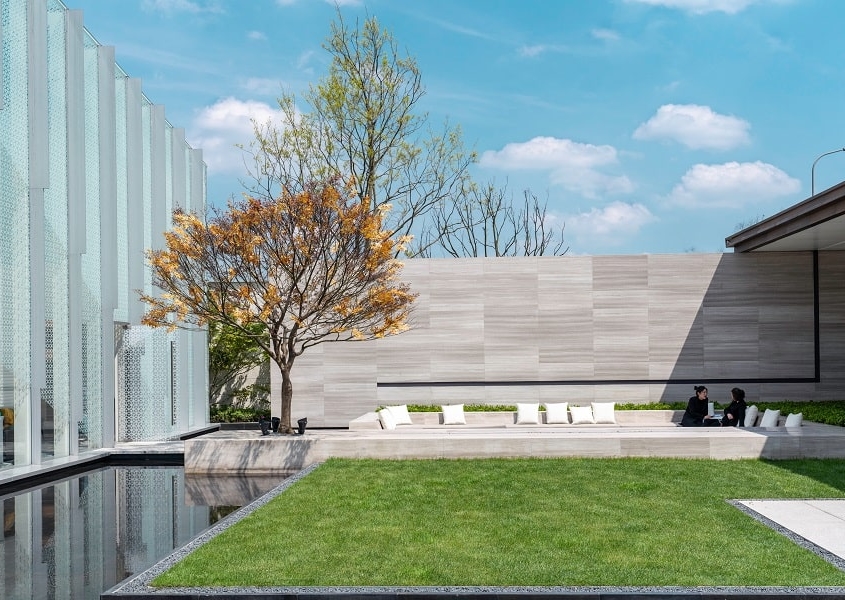
According to the U.S. Environmental Protection Agency (EPA), the average American household consumes about 320 gallons of water daily, with roughly 15 percent, or 48 gallons, going toward watering lawns. That share runs even higher in hot, arid climates like Las Vegas, Phoenix, and Denver, which is why many cities in these regions offer rebates or restrictions that push homeowners toward lower-water landscaping.
Choosing alternative grass, such as synthetic grass or artificial turf, can help reduce residential water consumption significantly no matter where you live. Synthetic turf lasts 20 to 25 years when properly maintained, and its aesthetic value holds up just as well as real grass. You can also choose the design elements of your synthetic turf based on its texture, color, blade length, and materials.
Overall, choosing eco-friendly alternative grass is not only good for the environment, it’s also good for your wallet.
We are aware that conventional lawns are bad for the environment. The lush, carpet-like grass that covers a large portion of suburban North America needs to be cut frequently, which uses up resources and creates pollution. It also consumes water and pollutes our rivers with dangerous runoff from chemical fertilizers.
Ground covers are one of the most popular lawn alternatives to grass since they spread across the ground but don’t grow tall. These low-maintenance plants spread fast, smother weeds, and fill up cracks in the ground. Which ground covers work best in your yard depends heavily on your local climate. Options like Kurapia, dichondra, and micro clover are common choices in hot, dry regions like Las Vegas, while cooler or wetter climates favor different species.
The tradeoff with any ground cover is durability. They thin out under heavy foot traffic and need a full growing season to establish before they look consistent, so yards with dogs or kids in daily use tend to show wear exactly where coverage matters most.
Artificial grass is among the lowest maintenance surfaces available. Synthetic turf emerged in the 1970s and has evolved into a modern, eco-friendly landscaping alternative that requires no upkeep. Today’s variations are remarkably lifelike and don’t need to be watered, fertilized, mowed, or treated for weeds, which is why it holds up equally well in a hot climate like Las Vegas and in milder regions where grass struggles for other reasons.
Quality synthetic turf uses a polypropylene or polyurethane backing rather than latex, which matters since latex tends to hold onto pet odor, especially in warmer weather. Drainage rates on a properly installed product run 40 or more inches per hour per square yard, so it handles heavy rain and daily pet use without pooling. For yards with dogs, a pile height between 1.25 and 1.65 inches tends to hold up best under regular traffic while still feeling soft underfoot.
Many homeowners pair artificial turf with mulch or gravel borders for added texture and drainage, though these materials work best as accents rather than a standalone grass substitute since they don’t offer the same soft, green surface a lawn does. You can also select from various backyard artificial grass and pavers options to round out the look.
Wildflowers are a great alternative to lawns since they only need to be mowed once each season and require minimal upkeep or additional water once established. Some landscapers advise homeowners to blend wildflowers, combining various species and placing them side by side on the lawn.
Although wildflower seeds can be sown in the fall, some are lost to water, birds, and other animals. Direct-sow annual species in early spring to get the most out of them.
You could pick a fescue seed option if you want something that more closely resembles a typical lawn and can withstand foot traffic. Fescues belong to the Poaceae grass family, and because of their deep roots and slower growth, they require less watering and mowing overall than standard turfgrass.
Traditional lawns can do more harm than good given the amount of water and other resources required to keep them alive. Choosing alternative grass and other eco-friendly lawn alternatives to grass can help solve this problem, no matter your climate.
Every alternative on this list solves part of the problem. Artificial turf is the only one that solves all of it at once: no watering, no mowing, no dead patches from heat or cold, and no re-establishing plants every season. It also holds up under the two things that wear out every other option fastest, which are kids and dogs.
The main alternatives to grass are ground covers, wildflowers, and artificial turf. Each trades some level of water use and maintenance for a lawn that still looks green and usable.
Artificial turf offers the largest water savings of any alternative to grass since it needs no irrigation at all once installed, compared to ground covers and drought-tolerant grasses, which still require some regular watering.
Some do. Las Vegas, for example, requires the removal of “nonfunctional turf,” meaning decorative grass with no recreational use, on properties not zoned for single-family homes, such as HOA common areas and commercial landscaping. Private single-family lawns aren’t affected, but it’s a sign of where water policy is heading in drought-prone regions.
Most alternatives cost more upfront but less over time. Artificial turf has the highest initial cost but the lowest long-term maintenance, since it never needs watering, mowing, or reseeding.
Festival Turf carries the largest synthetic turf inventory in the country, backed by a 15-year warranty on materials and workmanship, with showrooms across the Southwest where you can see and feel every product before buying. Before you commit to a full yard, order a free sample shipped straight to your door so you can check the texture, color, and feel against your actual space, or read the full warranty terms before you buy. Have questions about which alternative grass option fits your yard? Contact us and our team will help you find the right match.

 Xeriscaping 101: Desert Landscaping Ideas For Your Backyard