Landscaping 101: Easy Landscaping Ideas for Beginners

Emily Greenfield
July 12, 2022
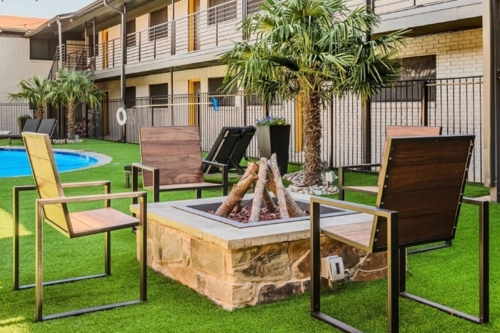
Landscaping 101 means learning to plan and shape the outdoor space around your home using plants, hardscaping, and design structure, rather than tackling everything at once with no plan at all. It’s different from gardening, which focuses on maintaining what’s already planted. Landscaping is the bigger picture: deciding what goes where and why. You don’t need a design degree or a contractor to get started. You need a plan, a few easy first projects, and the patience to build from there.
Start with a rough sketch, even a simple one on graph paper works, showing where the driveway, house, and any existing trees sit. Place your biggest, most permanent elements first: a large tree, a patio, or the lawn area itself. Everything smaller, flower beds, edging, mulch, gets planned around those anchors, not the other way around. Beginners who skip this step tend to end up with a yard that looks like a collection of separate ideas rather than one connected space. Before buying a single plant, answer three questions:
What do you actually need from the space? Think through who uses the yard. Kids and pets change what surfaces and layouts make sense. A quiet reading corner needs different planning than a space built for cookouts.
What’s your budget? Set a number, then add 10 percent for the unexpected cost that always shows up mid-project.
What can you do yourself, and where do you need help? Simple projects like a mulch bed or a border planting are well within reach for a first-time landscaper. Larger jobs, like installing artificial grass on your own, are also doable with the right guide, but a big regrade or a retaining wall is where hiring a licensed contractor makes sense.
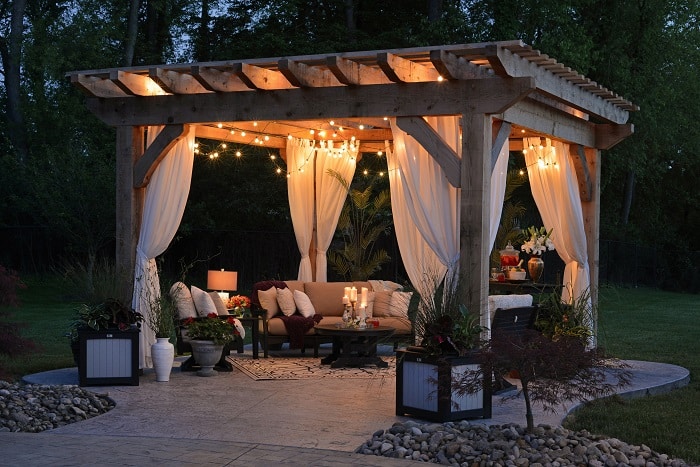
Every yard, no matter how simple, is built from four elements:
Lines. Paths, bed edges, and fence lines guide the eye and define where one area ends and another begins.
Form. The shape of plants, trees, and hardscaping, rounded versus angular, tall versus low, sets the overall structure.
Texture. Mixing coarse and fine textures, like broad-leafed plants next to fine grasses, keeps a small space from looking flat.
Color. A simple palette repeated through the yard reads as intentional. A different color in every bed reads as random.
Keeping these four in mind while planning stops a yard from becoming a collection of unrelated ideas.
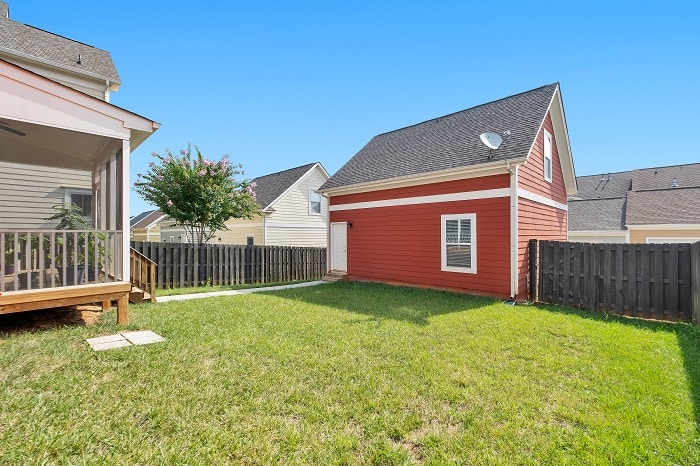
These are the lowest-effort, highest-payoff projects to start with:
Every other project on this list still needs watering, weeding, or seasonal upkeep once it’s in the ground. A live lawn is the one part of a beginner’s yard most likely to go wrong, since grass depends on watering schedules, soil condition, and timing that a first-time landscaper hasn’t learned yet.
Artificial grass sidesteps that problem entirely. There’s no germination window to miss, no watering schedule to manage, and no risk of a patchy result from uneven seeding. For a beginner balancing hardscape and softscape for the first time, as described above, artificial grass is one less variable to get wrong. It also holds up immediately, which matters if you’re building artificial grass ideas around a pool or patio where a struggling lawn would be the most visible failure in the whole design.
If you’re weighing the options, comparing the different types of artificial grass before you commit helps you pick the right texture and pile height for how the space gets used, whether that’s a play area, a pet run, or a front yard that needs to hold its color year round.
Start with the big, fixed elements: the driveway, walkways, and any fencing. These define the structure everything else fits into. Once those are placed, move to plant selection.
Ground covers and shrubs fill in foundational areas without demanding much attention once established.
The lawn area is where most beginners either commit to a full watering and mowing routine or decide artificial grass is the simpler path. Either is valid, but know which one you’re choosing before you plant.
Trees and flowers add the finishing layer. A tree earns its place by providing shade and shaping the yard’s overall form, discussed above. Flowers add color but need the most ongoing care of anything in this list.
For more design direction once the basics are in place, these artificial grass landscaping ideas cover layout options in more depth.
Live plantings do best when started in spring or early fall, since both give roots time to establish before summer heat or winter cold sets in. This is one more place artificial grass simplifies things for a beginner: it can go in any time of year, since there’s no growing season to plan around. A landscaped yard isn’t just about looks. It’s one of the more cost-effective ways to raise a home’s value, and a well-planned yard can lower cooling costs in summer by shading windows and walls with trees placed in the right spots. It also just makes the space usable.
Landscaping is the overall planning and design of an outdoor space, including hardscaping, structure, and layout. Gardening is the ongoing care of the plants within that space. Landscaping happens first; gardening is what keeps it going.
A mulch bed or edging project. Both take a weekend, cost little, and immediately make a yard look more intentional without requiring any design experience.
No. Most first landscaping projects, mulch beds, edging, a simple path, or artificial grass installed with a guide, are well within reach for a homeowner. Save a contractor for major regrading or structural work.
Yes. It removes the watering, seeding, and timing variables that trip up most beginners with a live lawn, and it can be installed at any time of year rather than only in a spring or fall planting window.
Ready to see how artificial grass fits your first landscaping project? Contact artificial grass provider company and compare it against your yard before you commit. Every Festival Turf product ships with a 15-year warranty.

 Putting Green Design: How To Build An Artificial Putting Green In Your Back...