Indoor Artificial Grass: Is it Possible?

Emily Greenfield
January 11, 2024
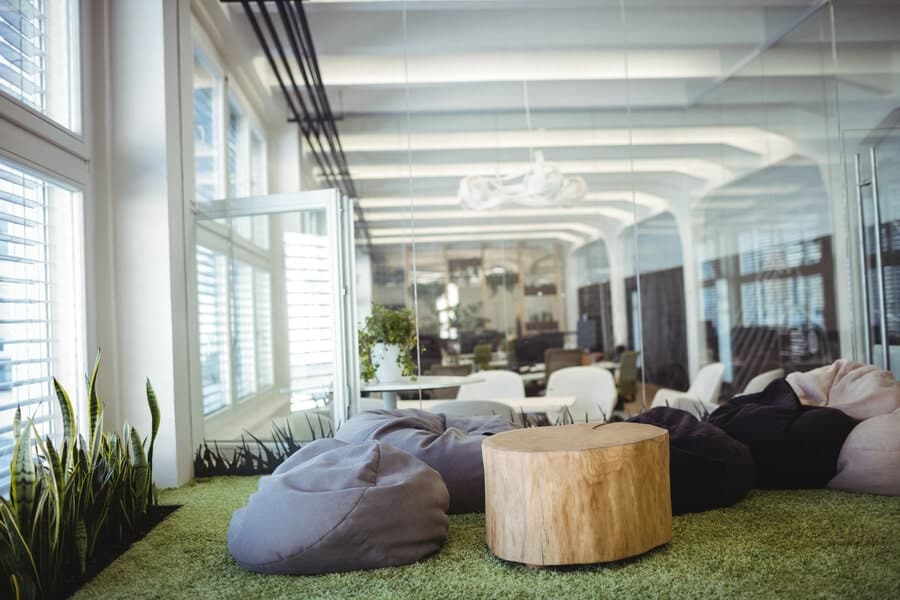

Indoor artificial grass is a practical option for homes and offices, and it’s become one of the fastest-growing ways to bring greenery into a space without any of the upkeep real grass demands.
It’s not just for the exterior anymore. Homeowners and businesses alike are installing it in living rooms, offices, playrooms, and retail spaces, and with the right setup it holds up just as well indoors as it does outside.
Indoor artificial grass gives you the look and feel of a real lawn without the water, mowing, or upkeep. Recent advances in turf technology have made it more realistic and more durable than older versions, which is a big part of why it’s become a real decor choice rather than a novelty.
It also holds up well. Quality artificial grass resists fading, tearing, and wear from regular foot traffic, so it stays looking good in high-use spaces like playrooms, offices, and indoor sports areas. And because it doesn’t need water, fertilizer, or lawn equipment, it’s a genuinely lower-impact choice for anyone looking to cut down on maintenance and water use.
Beyond the practical side, it’s soft underfoot and brings real visual warmth to a space, whether that’s a living room, a retail floor, or a corner office. It works in almost any indoor setting where you want a natural touch without the maintenance that comes with it.
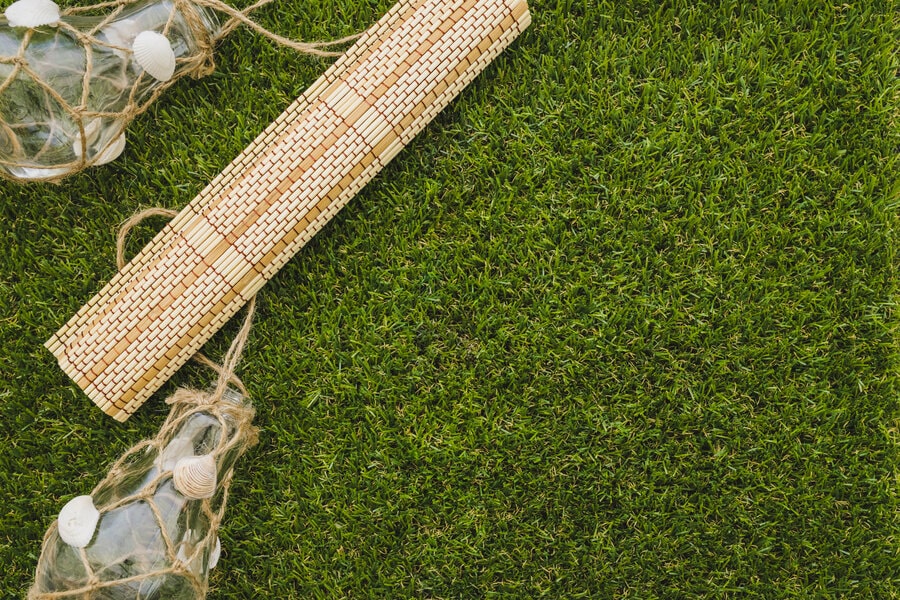
Beyond the practical benefits, indoor turf changes how a space feels. Walking across it barefoot has a different quality than any hard flooring or carpet, and the green tone brings a calming, natural element into rooms that otherwise skew neutral or sterile, like offices or showrooms.
That’s part of why it’s become popular in commercial spaces specifically. A retail floor or waiting area with a turf accent reads as more inviting than the same space with standard flooring, without requiring any ongoing upkeep to maintain that impression.
Indoor artificial grass is versatile and suitable for both residential and commercial spaces. Here’s how it can be used:
In homes, artificial grass can create distinctive and appealing features. Envision a green accent wall or a cozy nook with grass flooring. It’s also great for indoor putting greens or exercise areas, offering endless creative possibilities.
It’s also making a mark in commercial areas. Hotels, restaurants, and bars use it to create unique and inviting ambiance. It’s perfect for enhancing outdoor seating, rooftop gardens, or entire indoor landscapes, making it an attractive choice for businesses aiming to stand out.
A putting green is one of the most popular indoor uses for artificial grass, whether it’s a small corner of a home office or a dedicated room. It gives golfers a way to practice year-round regardless of weather, and it holds up to repeated foot traffic far better than any natural alternative would indoors.
Indoor pet turf gives dogs and cats a dedicated spot to relieve themselves without tearing up carpet or hardwood, which is especially useful in apartments, high-rise units, or homes without easy yard access. Pair it with a zeolite-based infill to keep odor under control between cleanings.
Turf creates a soft, safe play surface for children indoors, whether it’s a playroom, a basement, or a dedicated corner of a living space. It’s easier to keep clean than carpet and doesn’t hold onto allergens the way natural fibers can.
Businesses use indoor turf as an accent wall, a showroom feature, or flooring in lounges and breakout areas to add a natural element without any ongoing upkeep. It’s a low-maintenance way to make a space feel distinct, and it holds up to consistent daily foot traffic in commercial settings.
Choosing indoor synthetic turf over traditional flooring comes with numerous benefits:
It instantly adds a natural touch and freshness to any space, making the environment more visually appealing. Modern artificial grass feels realistic and soft, enhancing the overall experience.
Unlike natural grass, artificial turf maintenance is not required constantly. Synthetic turf stays green and vibrant all year round with just occasional dusting and cleaning, freeing you from labor-intensive maintenance.
It comes in various shades of green, allowing you to select the perfect match for your interior. You can cut it into different shapes and patterns for unique installations, whether you want a small rug or wall-to-wall coverage.
While indoor fake grass sounds like a dream, it does come with its own set of challenges. For starters, the initial cost might be a bit of a surprise; it’s usually more than just buying a regular carpet.
Indoor installation also uses different methods than an outdoor lawn. Since there’s no gravel base to work with, getting a clean result depends on a level starting surface and the right adhesive or panel system for the space, so it’s worth planning that out before you order turf.
Also, you’ve got to think about the room’s ventilation because artificial grass doesn’t breathe like natural turf, so you’ll want to keep the air fresh. And, if you’re a fan of that fresh grass scent or the feel of real blades underfoot, artificial grass might take some getting used to. It’s all about weighing these little bumps against the lush, green, maintenance-free space you’ll get to enjoy.
Indoor installations work differently than outdoor ones. Instead of a gravel base, indoor turf is typically laid directly over tile, concrete, or hardwood using adhesive or interlocking base panels, since there’s no need for the drainage layer an outdoor lawn requires.
Start by making sure the surface is clean, dry, and completely level. Any bumps or debris underneath will show through the turf once it’s down. From there, the artificial grass is rolled out, trimmed to fit the space, and secured with adhesive along the edges and seams. Depending on the application, infill can be added to help the blades stand upright and give the surface a more natural feel underfoot.
Order a free sample before you buy so you can test the pile height and backing against your space, especially if you’re installing over a hard surface where the feel underfoot matters more than it does outdoors.
Indoor artificial grass generally doesn’t need drainage the way outdoor turf does, since it isn’t exposed to rain or irrigation. Infill is still recommended in most cases. It weighs the turf down, keeps the blades standing upright, and gives the surface a more natural feel underfoot, especially in high-traffic areas like play spaces or offices.
Yes artificial grass is a safe, durable surface for pets indoors, and it holds up well to regular paw traffic. For pet areas, a zeolite-based infill is worth using since it helps control odor between cleanings, which matters more indoors than it does outside.
Regular cleaning is simple. Vacuum or sweep to remove dust and debris, and blot spills as soon as they happen. For pet messes, rinse the area and use a mild detergent solution rather than harsh chemicals or bleach, which can damage the turf fibers over time.
Yes, indoor turf is commonly installed directly over tile, concrete, or hardwood using adhesive or interlocking base panels, rather than the gravel base used for outdoor installations. This makes it a practical option for offices, retail spaces, and rooms where digging out a subbase isn’t possible.

 Artificial Turf and Weeds: How to Eliminate Them