What is Denier? Denier and Pet-Friendly Artificial Turf

Emily Greenfield
December 4, 2025


Have you ever stared at the specifications for artificial grass and felt like the terminology is not familiar? Terms like “pile height,” “face weight,” and “denier” can make the selection look complex. Ultimately, most people simply want a beautiful, durable lawn that the dog can’t turn into a mud pit.
So, what is a denier, and why does it matter so much for a pet-friendly yard? Understanding this can help you choose a turf that looks great and stands up to years of fetch, zoomies, and sunbathing.
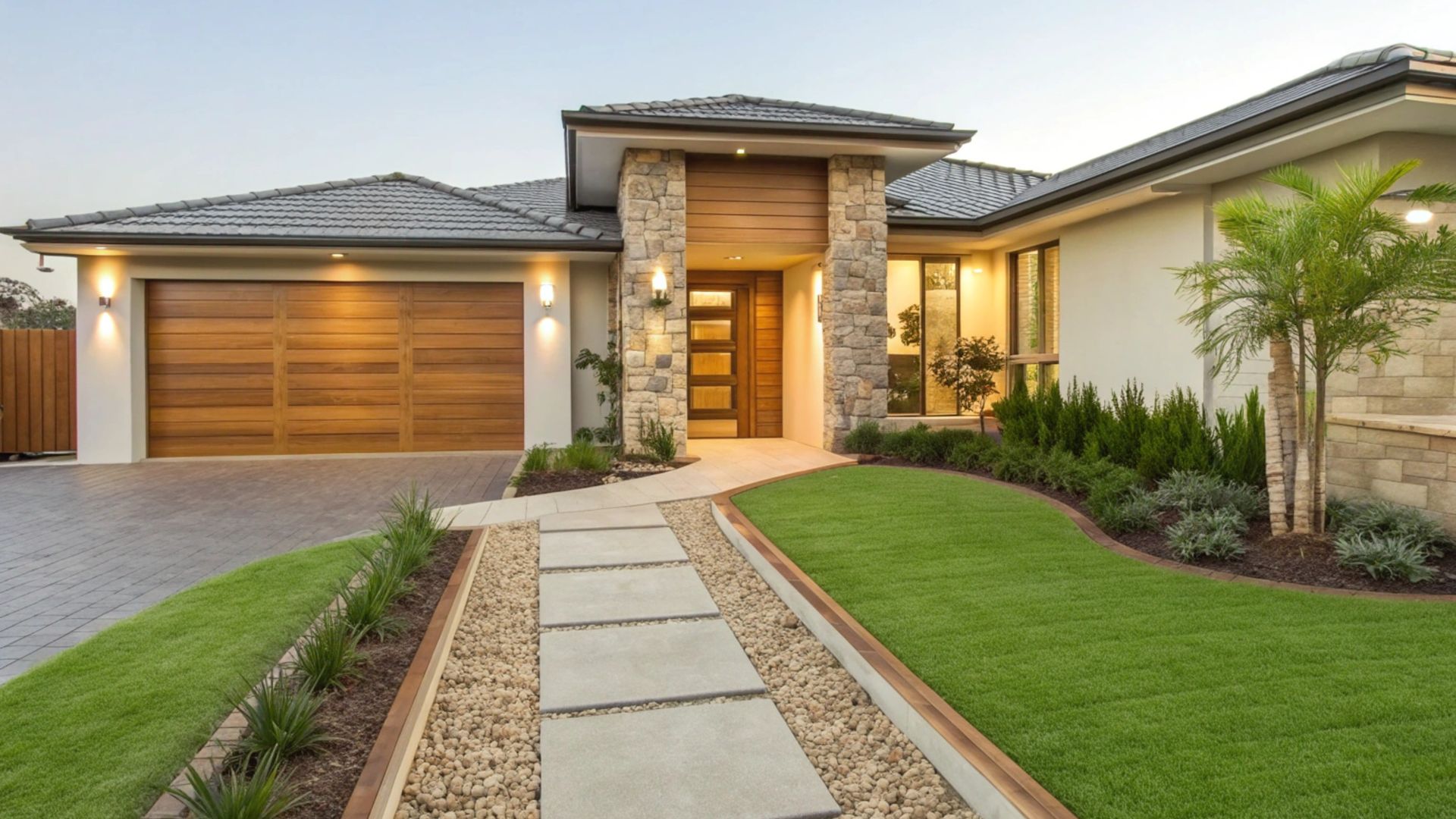
When looking for the perfect lawn, technical terms can feel overwhelming. However, these numbers are your roadmap to finding the right fit for your home.
When comparing artificial turf, you’ll face a spec sheet full of terms that describe the durability, feel, and look of the final product. Those are tools to help in making a confident choice.

At its heart, denier is a simple unit of measurement. It comes from the textile world and tells the weight or mass of a fiber. The official definition is based on a single strand of silk.
A 9,000-meter-long strand of silk weighs about one gram, which makes it 1 denier. If a 9,000-meter strand of turf fiber weighs 8,000 grams, it has a denier of 8,000.
Think of it like the difference between a thin sewing thread and a thick, sturdy rope. The rope has more mass, so it has a higher denier. In artificial turf, denier measures the weight of the individual threads that make up the grass blades. While it relates to the thickness of individual blades, it’s a measure of substance and heft. A higher denier means a heavier, more substantial blade.
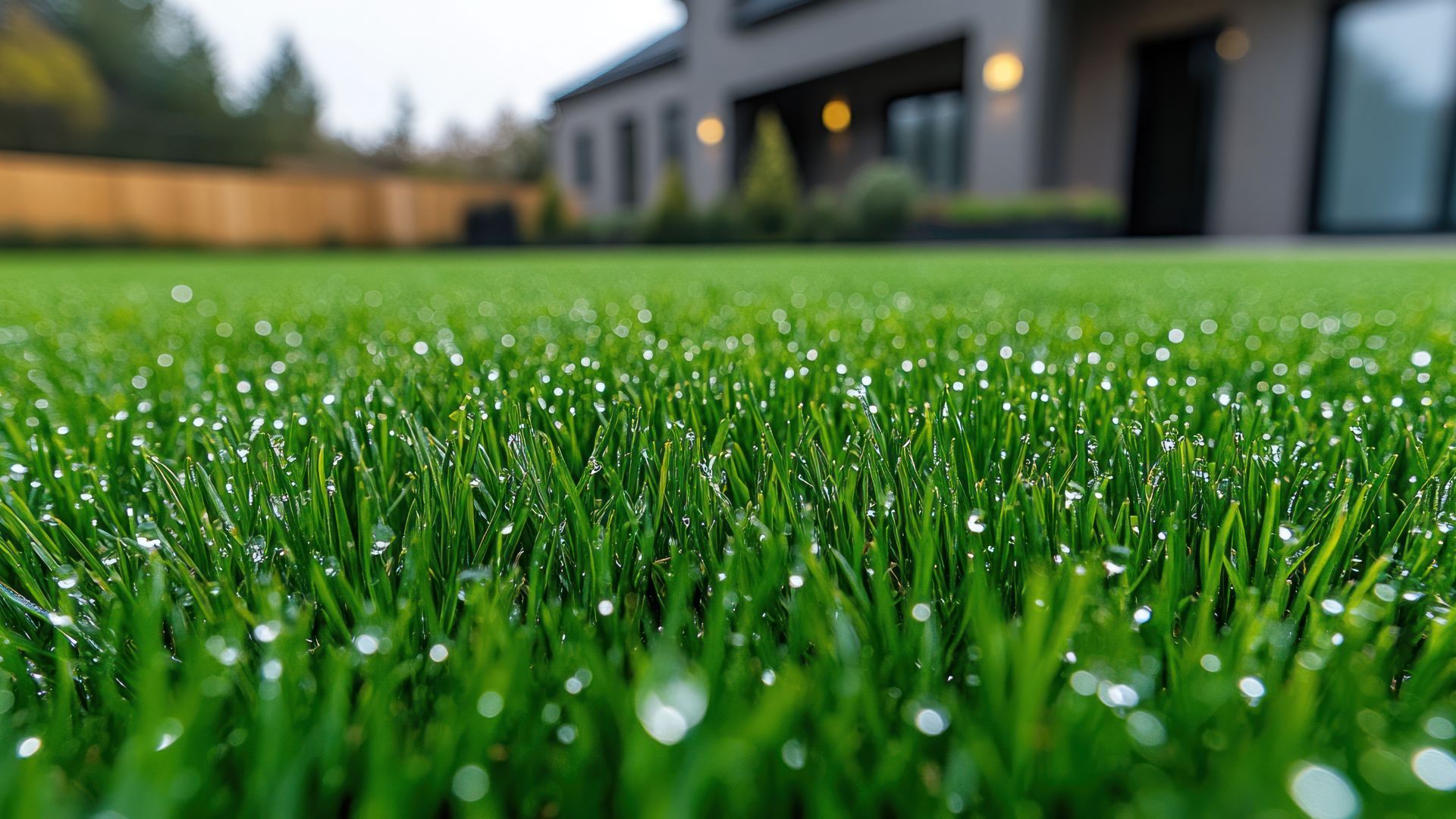
Now, how does this apply to your four-legged friend? Think about how your dog really plays. The happy dance for a treat, the sudden sprints across the lawn, the skids to a stop when you grab a toy. All these activities directly influence the grass blades.
Flimsy blades get crushed and stay flat, creating those sad-looking paths in the yard. This is where a high denier makes all the difference. It gives each blade the backbone to stand up to that activity, bounce back, and look great day after day. That’s why high-performance artificial grass products are built with a high primary blade denier to handle years of play.
So, what’s the key specification? A higher denier means a more robust, thicker fiber that stands up to wear and tear. While denier measures grams per 9,000 meters, the turf industry commonly uses Dtex (decitex), which measures grams per 10,000 meters.
For residential, pet-friendly turf, look for ratings of 8,800 Dtex or higher, which offer strong durability for high-traffic and pet areas while balancing comfort. The higher the rating, the better your lawn will bounce back from daily play.

It’s easy to confuse denier with other terms on the spec sheet, as they measure different things. Understanding the difference helps clarify what denier is in a practical sense and prevents a disappointing purchase.
This is the most common point of confusion.
A turf can have a high denier (strong blades) but a low face weight if the blades are stitched far apart. The lawn would feel sparse. Conversely, a turf could have a low denier (weak blades) but a high face weight if they are packed tightly together. That lawn might feel dense at first, but it would flatten quickly under traffic.
For a truly durable, pet-friendly lawn, you need both: high-denier blades and a high face weight.
Pile height is simply the length of the grass blades. It’s tempting to think that longer is more lush and therefore better, but that’s not always true for pets.
A shorter pile height is often better for two reasons:
The ideal combination for a pet lawn is a high denier for strength, a high face weight for density, and a shorter pile height for resilience and easy maintenance. Getting this combination right is critical for homeowners in demanding climates; choosing artificial grass in Phoenix means selecting a system that can handle intense sun and constant use.
Understanding what a denier is gives you the power to spot quality turf. It’s the measurement of blade strength, and for pet-friendly residential yards, 8,800 or higher Dtex is your target. In addition, remember the complete picture: high denier for strong blades, high face weight for density, shorter pile height for easy maintenance. All three working together create a lawn that lasts.
When you’re ready to buy, ask for spec sheets. Compare the numbers across all measurements and choose turf built for durability, not just curb appeal.

