Can You Put Artificial Grass Next to Real Grass?

Emily Greenfield
October 14, 2024
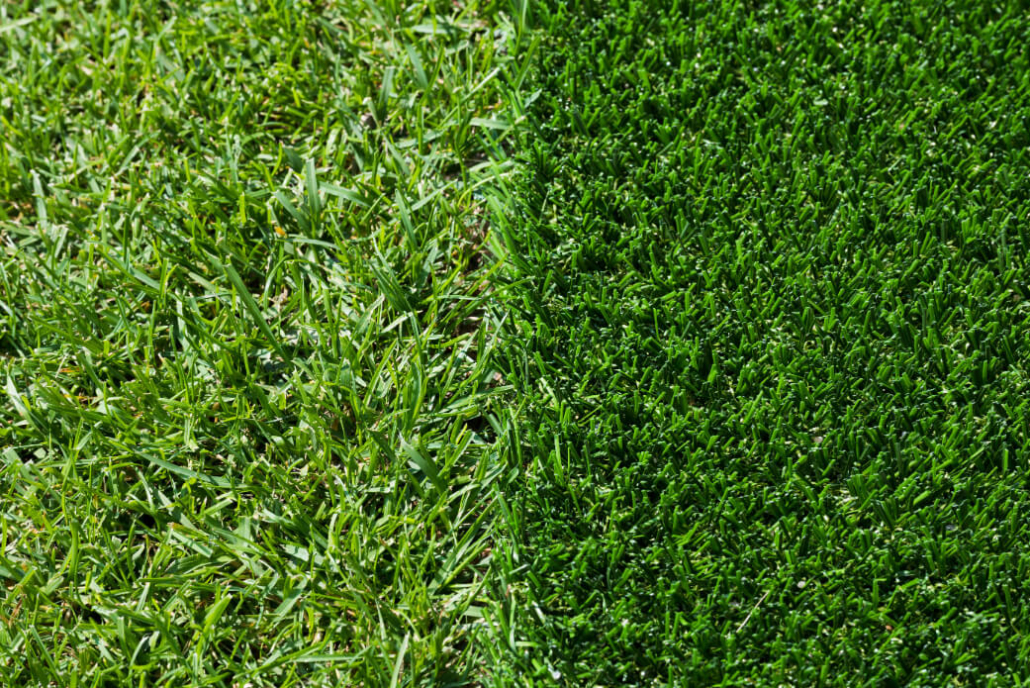
When combining artificial grass next to real grass, it’s important to think about how they’ll work together in your yard. You may wonder, can you put artificial grass next to real grass and what benefits or challenges this brings. In this article, we’ll cover the pros and cons, the installation process, and key tips to help you achieve a smooth blend of natural lawn and fake lawns. You’ll also learn how to avoid common mistakes when mixing fake grass with natural turf and how to ensure everything looks and functions well together.
By the end, you’ll know what to consider, from the installation process to how to create an attractive yard with both artificial lawns and natural grass.
Yes, you can lay artificial grass next to real grass. Many homeowners choose to mix artificial turf next to real grass because it gives them the best of both worlds, low maintenance from fake lawns and the natural feel of natural grass.
The key is to plan the installation process carefully. When you place artificial turf next to real grass, it’s important to think about the border or edging to create a clean and seamless look. You’ll also want to make sure both types of grass blend visually and function well together, especially in areas where you’ll be walking or playing.
Blending fake grass with a natural lawn can add versatility to your yard, but there are some factors to consider, like how to keep the grass next to real grass healthy and looking good. With proper planning, you can successfully combine natural and artificial elements in your yard for a long-lasting and attractive landscape.
When you mix artificial grass next to real grass, there are both advantages and disadvantages. Understanding these can help you make the right choice for your yard.
By considering both the pros and cons, you can decide if mixing artificial grass next to real grass is the right choice for your yard, giving you the benefits of both types of grass.
Mixing artificial grass next to real grass allows for a versatile and practical landscape. This combination can suit different needs, whether for low-maintenance areas, pet zones, or play areas. Here’s how this blend can transform your yard.
When you mix artificial turf next to real grass, it creates a low-maintenance solution while still promoting garden biodiversity. Artificial grass can be used in areas that are difficult to maintain, while natural grass helps create a more natural feel. This balance offers a lush, green look without constant care.
For more options, explore the types of artificial grass available to find the best match for your landscape.
Placing artificial grass next to real grass is a practical way to reduce yard maintenance while keeping it looking great. Artificial turf requires minimal upkeep, making it ideal for busy homeowners.
This mix of natural lawn and artificial turf ensures you get the best of both worlds—beauty and convenience.
Combining artificial turf next to real grass also adds durability to high-traffic areas. Artificial lawns can handle wear and tear better, especially in play areas or walkways.
If you need help creating clean divisions between your artificial turf and natural grass, consider using artificial grass edging to ensure everything looks neat and well-organized.
Families with children can benefit from combining artificial grass next to real grass for play areas. The soft surface of artificial turf provides a safe, cushioned area for kids to play, while the natural grass adds a traditional, natural touch to the yard.
For pet owners, having artificial grass next to real grass is a great solution. Artificial turf is easy to clean and stands up to pet activity, while natural grass provides a space for pets to enjoy nature.
This combination of artificial and natural grass creates a functional, low-maintenance space that works for the whole family, pets included.
When installing artificial grass next to real grass, it’s important to consider a few key factors to ensure your project is successful. By addressing these points before installation, you’ll be able to create a yard that looks great and functions well.
Proper drainage is essential when combining artificial turf next to real grass. Without good drainage, water can pool on the artificial turf, leading to issues like mold or unpleasant odors.
The soil beneath your natural grass and the base for your artificial turf are different, and it’s important to prepare them correctly.
Proper soil preparation ensures both types of grass work together without issues.
When you install artificial grass next to real grass, be mindful of the temperature differences between the two surfaces. Artificial turf tends to heat up more than natural grass, especially in direct sunlight.
Though artificial turf is low-maintenance, you’ll still need to care for the natural grass portion of your yard. This difference in upkeep requires planning to ensure both areas stay in good condition.
Balancing these maintenance needs is key to keeping your yard looking its best. For expert guidance on how to install and maintain your mixed lawn, feel free to contact our artificial grass specialists. They can help you plan and execute a successful project.
Combining artificial grass next to real grass can create a beautiful, functional yard, but making the transition between the two look seamless takes careful planning. Here are some techniques to ensure both types of grass blend smoothly and some common mistakes to avoid.
Creating a natural flow between artificial turf next to real grass requires attention to detail. The goal is to make the two surfaces look like they belong together rather than creating an obvious separation.
When laying artificial turf next to real grass, it’s easy to make some mistakes that can disrupt the appearance or functionality of your yard. Avoiding these will help you achieve a seamless blend.
By following these tips and avoiding common pitfalls, you can successfully combine artificial grass next to real grass for a yard that looks seamless and functions well.
Yes. The key is matching surface height at the transition point and using edging to separate the two, which prevents mower damage and keeps the line looking clean.
Yes, edging is strongly recommended. It protects the turf from mower blades, prevents real grass roots from growing under the turf, and gives the transition a finished look.
It can, as long as the transition is planned for it. Artificial turf drains through a perforated base, while real grass drains through soil, so the grading at the seam needs to direct water away from both rather than letting it pool.
Often, yes. Converting only high-traffic or problem areas to artificial grass while keeping the rest of your lawn natural lowers the upfront cost compared to a full yard conversion.
Combining artificial grass next to real grass can create a beautiful, low-maintenance, and functional yard if planned correctly. We’ve discussed the importance of paying attention to visual transition techniques, such as matching colors and using proper artificial grass edging, to ensure a smooth blend. Additionally, considering practical aspects like drainage and maintenance requirements is crucial to avoid common issues.
By taking the time to plan both the appearance and functionality, you can successfully answer the question, can you put artificial grass next to real grass? The answer is yes, but with careful preparation and attention to detail, you can create a yard that combines the best of both worlds, durability and natural beauty.

 Types of Artificial Grass: Which Is Right for You?