How to Refresh Artificial Grass?

Emily Greenfield
June 16, 2024

To refresh artificial grass, remove debris, brush the fibers against the grain to lift them, rinse away dirt and stains, check that drainage is working, and replenish infill where it’s thinned out. Most lawns only need this every few weeks, with a deeper refresh every few months.
Even the best artificial turf starts to look worn over time, especially in high-traffic areas. Flattened fibers, debris, and stains are the usual culprits, but a few simple steps will restore its look without replacing it. Below, we’ll cover the signs to watch for, the tools you’ll need, and the exact steps to renew your lawn.
To keep your synthetic lawn looking lush and vibrant, it’s essential to know when it needs a refresh. Recognizing the signs early allows you to address issues before they become more significant problems.
One of the first signs that your artificial grass needs refreshing is changes in its appearance. If you notice that your grass has lost its vibrant green color and looks dull, it’s time to take action. Flattened or matted grass fibers, especially in high-traffic areas, also indicate that your lawn needs attention. Accumulation of debris, leaves, and dirt on the surface can make your turf look untidy and should be promptly removed to restore its appearance.
Another visual cue is the presence of stains or discolored patches on the lawn. Whether it’s from pet waste, spills, or other sources, stains can detract from the beauty of your lawn. Regularly cleaning and brushing the grass can help maintain its fresh look and prevent these issues from becoming permanent.
Apart from visual signs, functional problems can also indicate that your artificial grass requires reblooming. Poor drainage is a big concern. If water takes a long time to drain away or pools on the surface after rain, this could mean that the infill has compacted or the drainage system is clogged. Addressing these issues ensures that your lawn remains functional and free from unpleasant odors or mold growth.
An uneven or lumpy surface is another sign of trouble. This could be due to the base for artificial turf shifting or settling over time. Regularly checking and correcting any unevenness will keep your lawn comfortable and safe to walk on. These functional issues should be promptly addressed to maintain the integrity and appearance of your synthetic grass lawn.
Having the right tools and materials on hand makes the task of refreshing your artificial grass easier and more efficient. Before you start, gather the necessary items to ensure a smooth process.
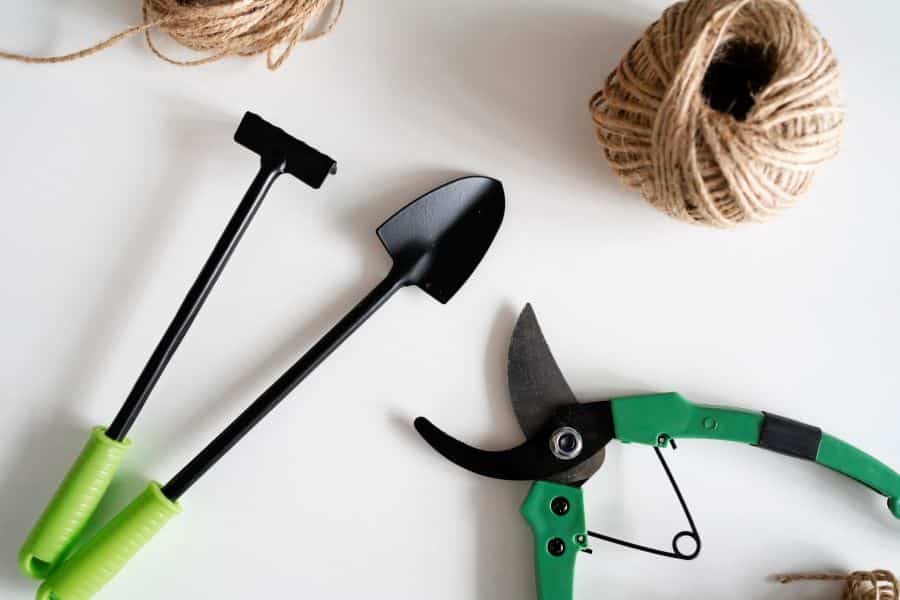
To refresh your artificial grass, you’ll need the following tools:
Safety should always be a priority when working on your lawn. Equip yourself with the following safety gear:
Here’s a detailed guide to help you through the process of how to refresh artificial grass.
Start by removing any debris from the surface of your turf. Use a plastic rake or a leaf blower to clear away leaves, twigs, and other larger debris. This initial step is crucial as it prepares the lawn for more thorough cleaning and prevents blockages in the drainage system.
Once the debris is cleared, the next step is to brush the grass fibers. Use a stiff-bristled broom or a power broom to brush against the grain of the turf. This lifts the flattened fibers, giving the grass a more natural and upright appearance. Focus on high-traffic areas where the fibers are more likely to be flattened.
After brushing, it’s time to clean the turf. Using a garden hose, rinse the artificial grass to wash away dust, dirt, and small debris. For stubborn stains, mix a small amount of mild soap with water and gently scrub the area using a brush. Rinse thoroughly to ensure no soap residue is left behind.
Check the drainage of your lawn by observing how quickly water drains after washing or rain. If water pools on the surface, you may need to address compacted infill or clogged drainage systems. Use a rake to break up compacted infill and ensure it is evenly distributed. For drainage issues, consider consulting a professional to assess and rectify the problem.
Finally, replenish the infill material if needed. Over time, infill can compact and wear thin, affecting both the appearance and functionality of your lawn. Spread the it evenly across the turf using a broadcast spreader or by hand. Brush the grass again to help the infill settle and support the grass fibers. This step is essential in the artificial turf reblooming process.
Regularly refreshing your artificial grass ensures it remains beautiful and functional, providing a pleasant outdoor space for you and your family. By following these steps and staying vigilant with maintenance, you can enjoy a lush, green lawn year-round.
Regular maintenance is key to keeping your artificial grass looking vibrant and fresh. Just a few minutes of upkeep each week can extend the life of your synthetic lawn and ensure it remains in pristine condition.
One of the simplest but most effective artificial grass maintenance tasks is regularly removing debris from the surface. Use a leaf blower or a plastic rake to clear away leaves, twigs, and other debris. This prevents buildup that can lead to drainage problems and keeps the lawn looking tidy. Frequent debris removal also minimizes the risk of mold and mildew developing, keeping your lawn healthy and safe.
Regular brushing is essential for maintaining the appearance and functionality of artificial grass. Use a stiff-bristled broom or a power broom to brush the grass fibers against the grain. This helps to lift and straighten the fibers, preventing them from becoming matted. Brushing also helps distribute the infill material more evenly, improving the overall look and feel of the lawn.
Washing your artificial grass periodically helps to remove dust, dirt, and other small particles that can accumulate over time. Use a garden hose to rinse the lawn thoroughly. For areas with spills or pet waste, using a mild soap and water solution can help remove stains and odors. Avoid using harsh chemicals, as they can damage the grass fibers and backing. This regular washing and rinsing is key to synthetic lawn restoration.
While maintaining and reblooming your synthetic grass is straightforward, there are common mistakes that many people make. Avoiding these can help ensure your lawn stays in top condition.
One of the biggest mistakes is using harsh chemicals to clean artificial grass. Bleach, ammonia, and other strong cleaners can weaken the grass fibers and damage the backing material. Instead, use mild soap and water or a specialized artificial grass cleaner. Always test any cleaning solution on a small, inconspicuous area first to ensure it won’t harm the turf.
Poor drainage can lead to several problems, including standing water, bad odors, and mold growth. If you notice water pooling on your lawn, address the issue promptly. This could involve adjusting the infill material, clearing blockages in the drainage system, or even consulting a professional for more complex problems.
Using the wrong tools can cause damage to your artificial grass. Avoid metal rakes and heavy brushes, as they can tear the grass fibers. Instead, use plastic rakes and medium-soft bristled brushes to maintain the turf without causing damage. Additionally, avoid using a standard vacuum, which can harm the grass; stick to tools designed for artificial turf.
Most lawns need light brushing and debris removal every 2 to 4 weeks, with a deeper clean including infill replenishment every 3 to 4 months. Pet areas and high-traffic zones benefit from weekly brushing.
Yes. A power broom is one of the fastest ways to lift matted fibers and remove debris, especially on larger lawns. Avoid metal bristles, which can damage the grass fibers and backing.
Let solid waste dry before removing it, then rinse the area thoroughly with water. For lingering odors, a mild soap and water solution works well. Avoid harsh chemicals like bleach or ammonia, which can damage the fibers and backing.
No. Infill only needs replenishing when it has visibly compacted or thinned out, usually noticeable through poor drainage or an uneven surface. Regular brushing alone is enough for routine refreshes.
Maintaining and refreshing your artificial grass is essential for preserving its appearance and functionality. Recognizing signs of wear, using the right tools, and following a structured routine keeps your lawn looking lush all year round. Regular debris removal, brushing, washing, and infill management are what keep a synthetic lawn looking its best, especially in high-traffic areas and pet zones.
Avoid common mistakes like harsh chemicals or the wrong tools, since these shorten your turf’s life rather than extend it. Keep in mind that a refresh restores appearance, not structure. If your lawn has a tear, burn, or separated seam, that’s a repair job, so check our guide to repairing artificial grass instead.
How often your lawn needs refreshing also depends on what it’s made of and where it lives. Homeowners with artificial grass in Las Vegas deal with intense heat and UV exposure year-round, which is exactly the kind of wear that turf with polyurethane backing is built to resist better and longer than cheaper latex-backed alternatives.
Every product we sell is backed by a 15-year warranty. If your current lawn needs more than a refresh, browse our artificial grass or order a free sample to feel the difference for yourself. Contact us with any questions.

 Ultimate Guide on How to Keep Your Artificial Grass Cool