How to Lay Artificial Turf on Grass: Step-by-Step Guide

Emily Greenfield
January 15, 2026
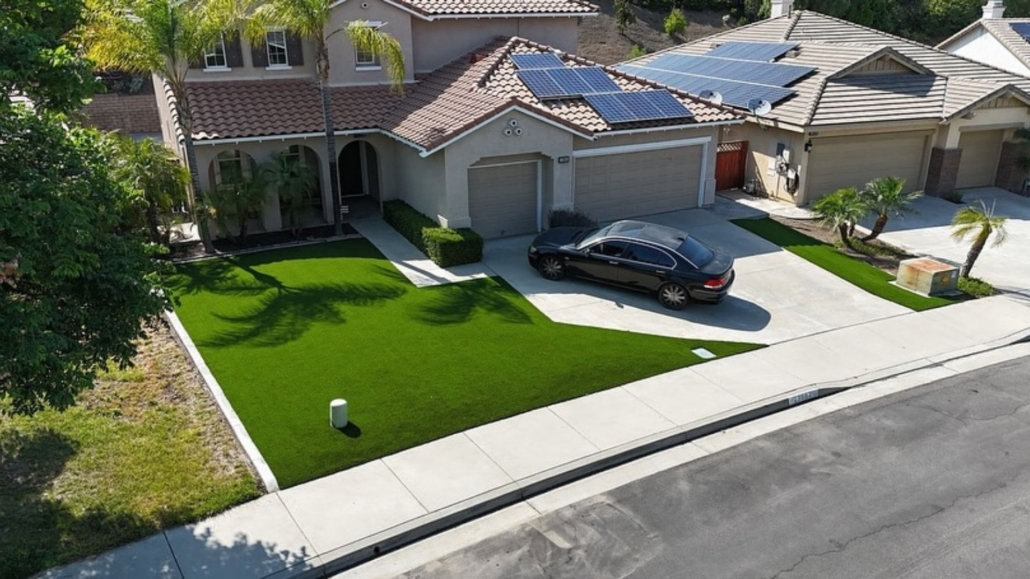
The appeal of synthetic grass is simple: a green lawn without weekly mowing, constant watering, or stubborn dandelions. How to lay artificial turf on grass the right way depends on whether the installation is temporary or permanent. For event flooring or seasonal use, turf can go directly over existing grass. Permanent lawns need the vegetation stripped, a crushed stone base compacted, and seams secured so they stay invisible.

Yes, you can unroll synthetic turf directly over an existing lawn. However, the grass underneath will die, decompose, and create uneven settling within months. For permanent installations, most professionals remove the grass first. For a weekend event or seasonal patio cover, a direct overlay works fine. The tradeoffs matter.
The primary appeal of direct installation is reduced labor and cost. Here are scenarios where it holds validity:
Excavation is the most labor-intensive phase of any artificial turf installation. Removing sod requires machinery and disposal fees. By skipping the removal of the top 3–4 inches of soil and grass, a project can save $3–$5 per square foot on labor costs on average. For budget-constrained projects where longevity isn’t the priority, this matters.
For events, festivals, or short-term aesthetic improvements like wedding tent flooring, laying artificial turf over grass with a protective underlay creates a clean surface without permanently altering the landscape. The softer feel of grass underneath can actually be desirable for guest comfort in these contexts.
Avoiding excavation preserves the existing topsoil and its microbiome. For very short-term applications, this keeps the option open to restore natural grass later.
Understanding what artificial turf is made of helps explain why direct overlay creates challenges for permanent installations. Synthetic fibers are stitched into a flexible, perforated backing that needs solid support.
Living grass deprived of sunlight dies and decays. As organic material breaks down, it loses volume and creates voids. The turf settles into these gaps, resulting in an uneven, bumpy surface.
Decomposing grass can mat into a barrier that traps water between the backing and soil. Standing water breeds mold and bacteria, and once that smell sets in, it doesn’t go away on its own.
Without a compacted base, the lawn feels spongy and the turf shifts underfoot. Wrinkles and dips follow.
Bermuda grass doesn’t die easily. It can go dormant under the turf and push back through drainage holes or seams months later.
For permanent installations, stripping the grass and building a proper base eliminates these problems before they start.

Start by gathering your equipment:
Rent the sod cutter and compactor from your local equipment shop. Knowing how to install artificial turf correctly means having the right gear ready before breaking ground.

This phase converts a living yard into a stable foundation ready for the base layer.
Before digging, call utility companies to mark underground lines. Use the sod cutter to strip vegetation and the top layer of root-dense soil to a depth of 1½ to 3 inches. Installing artificial grass requires removing the organic matter that would otherwise decompose and cause settling.
With vegetation cleared, rake the bare soil smooth and create a slight slope (2%) away from buildings for drainage. Run the plate compactor over the area until the soil is firm. A solid artificial grass installation depends on this prep work.
Roll out heavy-duty weed barrier fabric over the compacted soil. Overlap edges by 6 inches and secure with landscape staples every few feet. This prevents future growth from pushing through drainage holes.

With the ground prepped, build the foundation that keeps everything level.
Fill the excavated area with 3–4 inches of crushed stone. Spread evenly with a rake. This mirrors the process for how to install artificial turf on dirt since both need the same solid foundation. Add a thin layer of decomposed granite on top to fill gaps and create a smooth surface.
Mist the stone with water, then compact it in a grid pattern until it feels solid. If you’ve been unsure about how to lay fake grass without wrinkles, this is the step that matters most. The base should be firm enough that walking on it leaves virtually no footprint. A rock-solid foundation is essential for quality synthetic turf installation.
Now the yard starts looking like a lawn. Knowing how to lay artificial turf on grass properly comes down to one detail: consistent grain direction across all rolls.
Unroll the turf and let it sit in the sun for 1–2 hours so the backing relaxes. Point the grass blades toward the primary viewing angle (usually from the house). If using multiple rolls, every piece must face the same direction. To install artificial turf that looks seamless, keep installing turf in the same grain direction throughout.
Cut from the backing side to avoid shearing blades. For curves and trees, make small relief cuts from the edge toward the obstacle so the material wraps smoothly.
A visible seam ruins the look. For proper artificial lawn installation, trim factory edges and position pieces so the gap matches your turf’s existing row spacing. Place seaming tape underneath, apply turf adhesive, and press edges into it without trapping fibers. Once dry, secure the perimeter with 6-inch nails spaced every 6 inches. Quality artificial grass products look completely natural when seamed correctly.

Infill adds weight and keeps blades upright. Without it, the lawn flattens. Use a drop spreader to apply 1–2 pounds of silica sand per square foot or antimicrobial infill. Brush it deep into the fibers with a power broom. This protects the backing from UV damage and gives the lawn natural bounce.
The crushed stone base handles drainage, but debris buildup can block the turf’s perforations over time. A basic artificial turf maintenance routine prevents that. Sweep leaves before they clog the perforations, rinse pet areas weekly if you have dogs, and run a brush over high-traffic spots when the blades start laying flat.
Whether you’re learning how to lay imitation grass or synthetic turf, these mistakes trip people up:
Most of these are harder to fix after the fact than to get right the first time.
A proper synthetic grass installation feels firm underfoot, drains within minutes of rain, and shows no visible seams. If you stripped the old grass, compacted a solid base, and aligned every roll in the same direction, you’ve avoided the settling, shifting, and weed problems that plague shortcuts. That’s how to lay artificial turf on grass so it holds up for years.

 What is Hardscaping? Hardscaping with Artificial Grass