10 Benefits of Artificial Turf: Water Savings, Low Maintenance & More

Emily Greenfield
May 8, 2026

Natural grass is a constant negotiation. Water it, mow it, fertilize it, and watch it go brown the moment August arrives. For homeowners in desert climates, the upkeep cycle isn’t just exhausting; it’s often unwinnable.
The benefits of artificial turf are much more practical and predictable. It reduces water usage, minimizes yard maintenance, and keeps outdoor spaces green and usable year-round, even during extreme summer heat.
Switching from natural grass to synthetic turf changes more than the surface under your feet. It affects monthly utility bills, weekends, property presentation, and the long-term cost of owning your home.
Here’s what actually changes in practice.
A traditional lawn in a hot, dry climate uses thousands of gallons monthly during peak growing season. Artificial grass eliminates water use entirely.
In Las Vegas and similar desert markets, products from Festival Turf also qualify for the Southern Nevada Water Authority’s Cash-for-Grass rebate program, adding a financial incentive on top of ongoing water savings.
Lawn maintenance costs tied to natural grass (mowing equipment, fertilizer, irrigation repairs, seasonal reseeding) add up steadily over the years. Artificial grass removes most of that.
Upkeep is minimal. A quick rinse once a week, a stiff brush run through the blades once a month; that’s most of it. No fuel costs, no mowing schedule to work around, and no brown patches slowly losing a battle with the heat.
Those who want to go further will find that maintaining artificial turf surfaces requires little more than a seasonal deep clean, making it one of the lowest-effort lawns you can own.

High-traffic areas on natural lawns thin out within a season. Shade kills coverage in corners. Summer heat does the rest. Quality synthetic turf holds up differently.
The artificial turf lifespan for professionally installed products typically runs 15–25 years, and Festival Turf backs its full line with a 15-year warranty covering fading, workmanship, and material issues. That changes the long-term cost calculation considerably.
The upfront cost of artificial grass installation is real, and worth acknowledging honestly. Measured against 15 or more years of eliminated water bills, lawn care services, and equipment maintenance, most homeowners come out ahead. Fake grass pays for itself; not as a marketing claim, but as a calculation that holds up when you apply real numbers to your usage and climate.
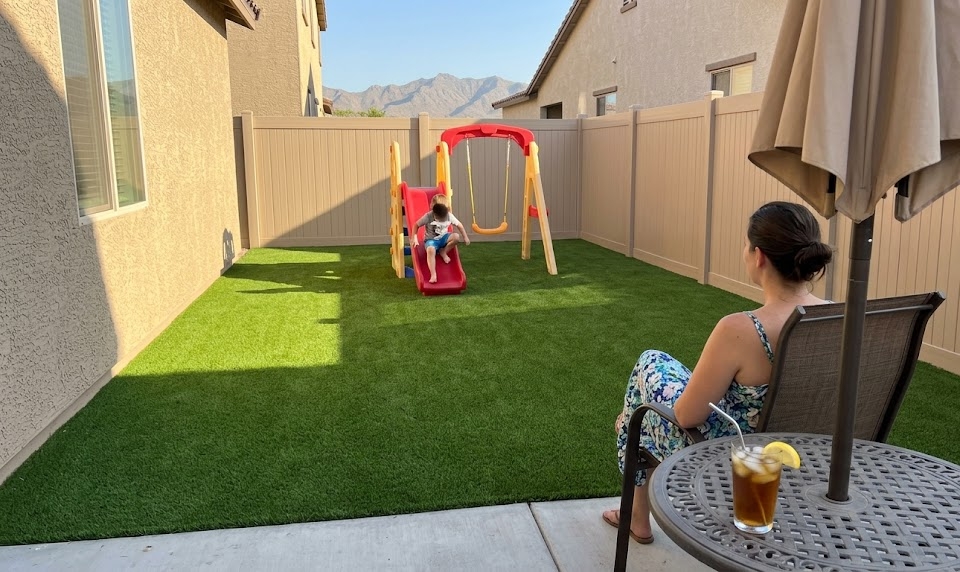
The environmental benefits of choosing artificial turf are evident. No fertilizers or pesticides means no chemical runoff into local water systems. No mowing means no emissions from gas-powered equipment. Beyond that, drought-tolerant landscaping in the desert Southwest is not a preference; it is a response to real water scarcity, and artificial turf contributes to it directly.
The benefits of artificial turf for dogs come down to two things: it does not stain, and it drains. Urine passes through without pooling. Solid waste comes off easily with a quick rinse.
One detail worth knowing before you buy: choose a product with a polypropylene or polyurethane backing for pet areas. Latex-backed turf absorbs urine and holds the odor. Pet urine drainage largely depends on the backing and infill used. A deodorizing turf infill is worth adding for heavily used areas.
The benefits of artificial turf fields show up in consistency. Athletic surfaces need to handle cleats, heavy traffic, and rain without developing bare patches or mud. With drainage rates exceeding 40 inches per hour per square yard, a heavy downpour is no longer a reason to call off a game: something natural grass simply can’t promise.
Perforated backing moves water through quickly, reducing standing water and the mold risk that comes with prolonged moisture. This matters for pool surrounds, pet areas, and any installation on a slope.
Strong drainage starts beneath the surface. A well-graded aggregate base directs water away efficiently and reliably, and getting that foundation right is what proper base for artificial turf installation comes down to, long before the first blade goes in.
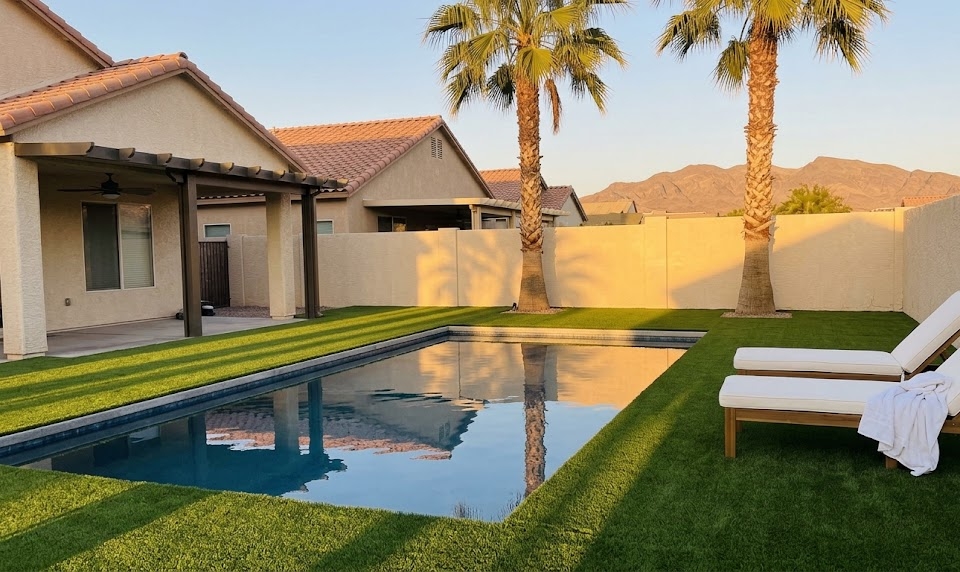
Natural grass has a season. In desert climates, it is a short one. Artificial turf holds the same color in July as it does in January, which carries real value for curb appeal and commercial properties that need to look maintained without the labor. A simple routine for maintaining artificial turf surfaces keeps that appearance consistent year-round: no dead patches, no brown stretches.
Artificial turf products are non-toxic, lead-free, and antimicrobial. Most are softer underfoot than natural grass, which makes a real difference in children’s play areas and high-activity spaces.
One thing worth stating plainly: artificial grass heats up in direct sunlight during summer months. For yards where children or pets spend extended time outdoors during peak heat, shade structures or cooling sand infill are worth considering.
The benefits of artificial turf apply across a wide range of settings:
Residential
Commercial
Festival Turf’s product range covers all of these, from the drainage-focused Hydro Series for wet or poolside environments to the cost-conscious Eco Series for budget-driven projects.
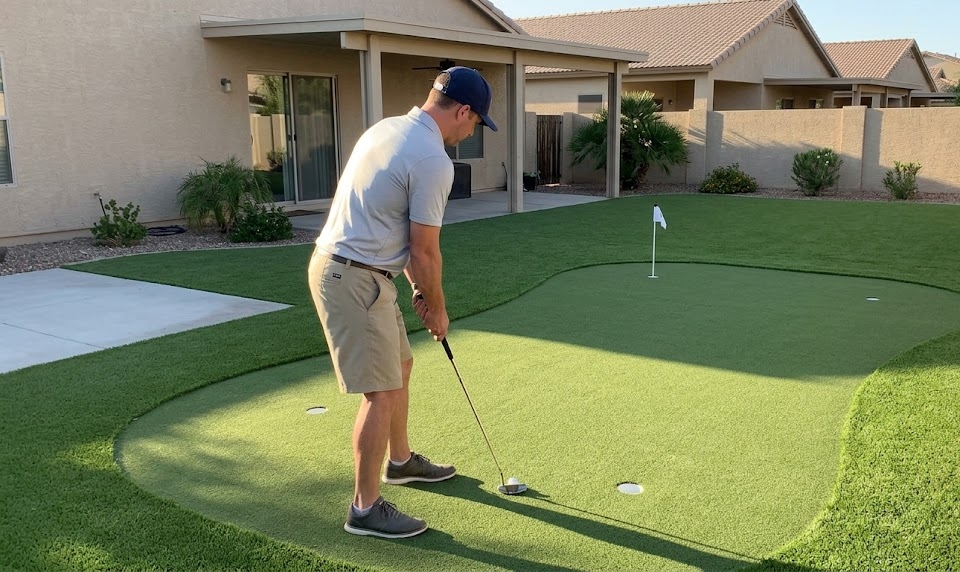
Pile height, backing material, drainage rate, and UV stabilization are the specs that distinguish products in practice. For pet areas, backing is the decision polypropylene or polyurethane only, not latex.
In high-sun climates, UV stabilization determines how long color holds before fading becomes visible. Festival Turf offers free samples shipped directly to homeowners and contractors, which makes it easier to compare texture and appearance before committing. When you are ready to move forward, speak with a turf installation expert to confirm the right product for your specific space and application.
Yes. Removing irrigation, fertilizers, pesticides, and gas-powered lawn equipment from the equation has a real environmental impact. In markets with conservation programs, artificial turf also qualifies for water rebates that reflect that contribution.
With professional installation and basic maintenance, quality products typically last 15–25 years. Festival Turf backs its full product line with a 15-year warranty covering fading, workmanship, and materials.
Yes, with one caveat: avoid latex-backed products for pet relief areas. Latex retains urine odor. Products with polypropylene or polyurethane backing drain cleanly and resist odor buildup. A deodorizing turf infill provides further protection for high-use areas.
All artificial grass surfaces heat up in direct sunlight. This applies to every product and manufacturer. Shade structures and cooling sand infill are the practical solutions for outdoor areas where children or pets spend time during peak afternoon heat in summer.

 Phoenix Backyard Ideas: Why Artificial Turf Beats Grass in the Heat