Artificial Grass for San Diego Backyards: Coastal vs. Inland: Does It Matter?

Emily Greenfield
June 25, 2026
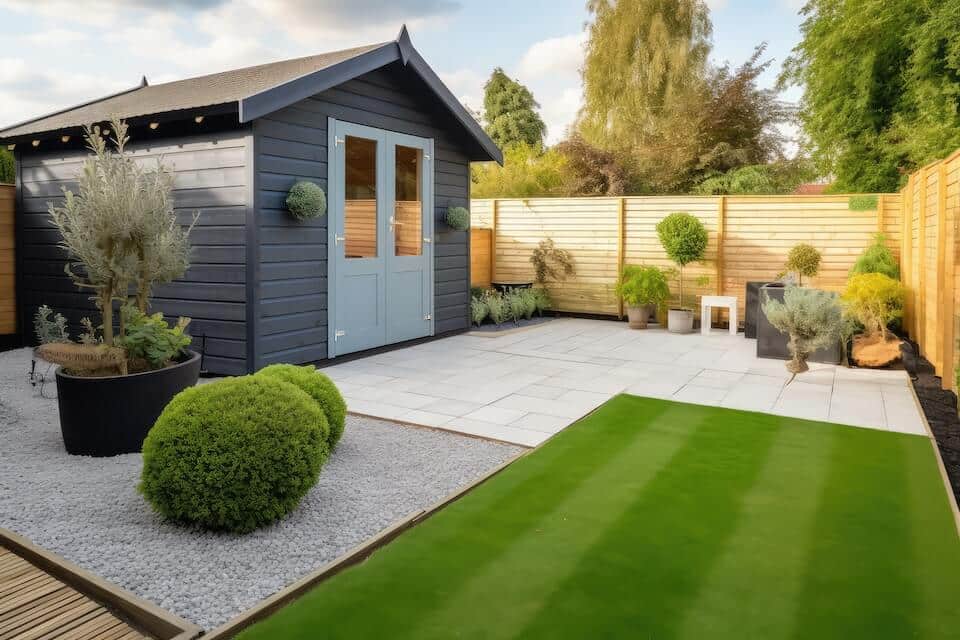
San Diego is one city with wildly different backyards. A homeowner in La Jolla and a homeowner in El Cajon are both searching for the same thing: a low-maintenance, year-round green lawn. But their climates are so different that it’s worth asking whether they should be making different decisions when it comes to artificial grass.
The short answer is: yes, location matters, but not as much as most people assume. The longer answer is what this article is about.
San Diego County spans over 4,200 square miles, and the climate shifts dramatically as you move east from the coast. Coastal communities like La Jolla, Encinitas, and Coronado sit under a marine layer for much of the year, keeping temperatures mild, relatively higher humidity, and UV exposure somewhat softened on overcast days.
Inland communities like El Cajon, Santee, and Escondido tell a completely different story. Summer temperatures routinely push past 100°F, the air is drier, and the sun is relentless from late spring through early fall. These aren’t minor variations in the same climate. They’re two meaningfully different environments that your turf will live in every day.
Living near the coast brings a specific set of challenges that don’t show up on an inland homeowner’s radar. Salt air is the most significant one. Carried by coastal breezes, these particles can gradually affect the adhesives, infill, and backing materials used in lower-quality turf systems.
Moisture retention is another factor. The marine layer keeps coastal San Diego cooler, but it also means turf stays damp longer in the mornings. If a product’s backing doesn’t allow efficient drainage, that residual moisture can create a breeding ground for mildew and odors over time. Permeable backing systems with proper drainage slopes are especially important in coastal installations.
Sand and salt deposits also accumulate on the turf surface. Regular rinsing, which is easy given that most coastal yards already have outdoor hose access, goes a long way in keeping the fibers clean and standing upright.
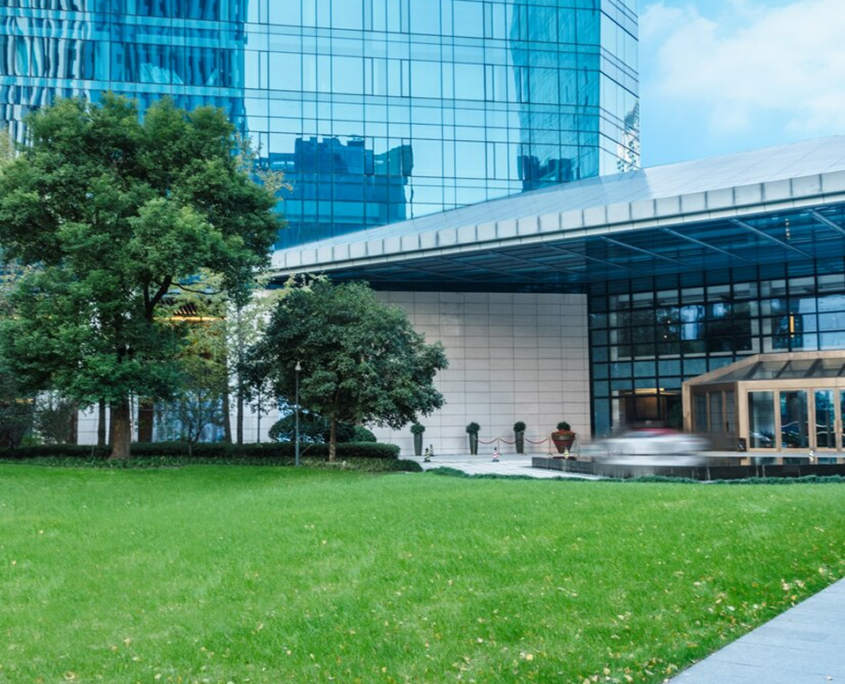
Inland San Diego homes face the opposite pressure: extreme heat. Artificial grass in direct sun in a place like Santee can reach surface temperatures of 150°F or more on peak summer days. That’s not a flaw unique to cheap turf; every synthetic lawn heats up in direct sunlight, but the degree matters, and the duration matters more.
UV degradation is the other major concern for inland installations. Consistent, high-intensity sun exposure breaks down the polymers in turf fibers over time, leading to fading, brittleness, and fiber breakdown years before the product’s expected lifespan. Choosing a turf product with a strong UV stabilization rating is not optional; it’s essential.
Dry, dusty conditions also mean inland turfs accumulate dirt faster. Wind carries debris into the pile, and without rain to naturally rinse the surface, periodic brushing and rinsing becomes more critical for maintaining appearance and hygiene.
The biggest mistake inland San Diego homeowners make is choosing a turf product rated for mild climates and expecting it to survive a decade of desert-level sun.
This is the question most homeowners want answered, and the truth is nuanced. You don’t need a completely different product category based on your zip code. What you need is a turf system where the right features have been prioritized based on your specific environment.
For coastal homes, prioritize corrosion-resistant hardware, permeable backing, and antimicrobial infill options that resist moisture-related odor and mold. For inland homes, prioritize UV-stabilized fibers, heat-resistant infill materials like coated silica sand or thermoplastic infill, and denser pile construction that holds up under thermal stress.
Many premium turf products serve both environments well because they’re engineered to handle a wide performance range. The real differentiation happens in how the system is configured and installed for your specific yard, not which product roll you select.
| Feature | Coastal Priority | Inland Priority |
| UV Stabilization | Moderate | High |
| Salt and Moisture Resistance | High | Low |
| Permeable Drainage Backing | High | Moderate |
| Heat-Resistant Infill | Low | High |
| Antimicrobial Infill | High | Moderate |
| Corrosion-Resistant Hardware | High | Low |
Choose coastal-focused features If you live In:
Choose inland-focused features if you live in:
Here’s something worth stating plainly: the quality of your installation has more impact on long-term turf performance than coastal versus inland placement. A poorly installed system in a mild coastal climate will fail faster than a properly installed one in scorching inland heat.
The base layer under your turf determines drainage, stability, and how the surface looks and feels over time. A crushed aggregate base, properly compacted and graded, prevents the soft spots, wrinkles, and drainage failures that cause premature turf failure. This matters equally in every San Diego neighborhood.
Poor drainage is one of the most common reasons artificial grass installations underperform. Every turf system faces water in some form, such as morning moisture from the marine layer along the coast, seasonal winter rain, or routine irrigation runoff inland, and it needs to move that water out quickly and completely. Backyard artificial grass installations that skip proper drainage planning don’t just look worse over time; they develop odor, mold, and surface irregularities that shorten the lifespan of an otherwise quality product.
The turf fiber, backing, infill, and adhesives all need to be matched to each other and to the climate. Using a high-quality fiber with an inadequate backing defeats the purpose. Ask specifically about how each component performs under your local conditions before committing to a product.
Even the best turf products underperform when installed by someone cutting corners. Seams that lift, edges that pull away, and infill that distributes unevenly, are almost always installation problems, not product problems. Artificial grass installation by experienced professionals is the single biggest factor in how your lawn looks and performs five years from now.
How your yard gets used shapes what turf you need as much as the climate does. A yard that hosts weekly entertaining or active kids needs a denser, more resilient pile than a low-traffic ornamental garden. This applies everywhere from Cardiff to Lakeside.
Pets and children bring their own demands. Pet waste requires infill that resists odor and allows rapid drainage. Pet turf solutions are specifically engineered to handle the hygiene demands of daily dog use, and they perform better in both coastal and inland settings than standard residential turf.
Shaded areas behave differently than sun-exposed ones. In coastal yards, shade extends moisture retention. In inland yards, shade is the only relief your turf gets from peak temperature stress. Mapping out sun and shade patterns before installation lets your installer choose pile direction and infill depth accordingly.
Maintenance schedules differ slightly by zone, but neither environment demands much time. Coastal homeowners benefit from rinsing the surface every one to two weeks to clear salt and debris accumulation. Inland homeowners need to rinse at a similar frequency, especially through summer, to manage dust and heat-baked debris in the pile.
Both environments benefit from periodic brooming to keep the fibers upright, especially in high-traffic areas. Artificial grass maintenance routines that include seasonal checks of edges, seams, and infill levels will extend the useful life of any installation regardless of location.
The good news for San Diego homeowners specifically: you don’t have to contend with freezing temperatures, snow weight, or excessive mud season. Your maintenance burden is genuinely low compared to almost any other region in the country.
Regardless of whether you live in coastal Del Mar or inland Alpine, a handful of features should be on every San Diego homeowner’s checklist when evaluating residential artificial turf:
For homeowners considering putting greens, these same principles apply, with additional attention to a shorter pile height and a firmly packed base that produces consistent ball roll.
Working with a company that understands San Diego landscaping services in both coastal and inland zones means you get a recommendation calibrated to your actual yard rather than a one-size-fits-all product pitch.
Salt air can degrade low-quality turf components over time, particularly adhesives and metal fasteners. High-quality systems using marine-grade or corrosion-resistant materials handle coastal exposure without issue.
Yes, noticeably. Surface temperatures in direct inland sun routinely exceed those in coastal installations by 20 to 30 degrees Fahrenheit. This is managed through proper infill selection and, where possible, shade planning.
A UV-stabilized, permeable-backed product with a realistic multi-tone fiber and an appropriate infill for your usage pattern. There is no single best product, because backyard use, pet load, shade conditions, and aesthetic preferences all shape the right choice.
Slightly. Coastal installations benefit from more frequent rinsing to clear salt deposits. Otherwise, the core maintenance routine (brooming, rinsing, infill top-up, edge checks) is consistent across San Diego.
Any turf product with genuine UV stabilization can handle San Diego sun across its full warranty period. Products without adequate UV protection show fading and fiber degradation within three to five years in high-sun exposure zones.
Both coastal and inland San Diego homeowners have strong reasons to choose artificial grass, and both can get decades of performance from a well-designed system. Your location does influence which product features deserve priority and how your maintenance routine looks, but it doesn’t fundamentally change the case for making the switch.
For most San Diego homeowners, the choice is not between coastal turf and inland turf. It’s about selecting a system designed for your yard’s sun exposure, drainage, traffic levels, and maintenance goals. When those factors are addressed correctly, artificial grass can perform exceptionally well anywhere from the coast to the inland valleys.

 7 Artificial Turf Backyard Ideas for Low-Water Landscapes