Artificial Turf Football Field Installation Guide: Process and Costs

Emily Greenfield
May 20, 2026

Football fields take a beating. Year-round use, heavy foot traffic, and unpredictable weather wear down natural grass faster than most facilities can maintain it. That’s why many schools, municipalities, and professional sports organizations are investing in artificial turf football field installation, a long-term solution that delivers consistent performance with far less maintenance than natural grass.
From excavation and drainage to base preparation and turf rollout, the installation process involves far more than simply laying synthetic grass. This guide breaks down how football field installation works from start to finish, including the key construction phases, materials involved, and what realistic project costs look like at scale.
An artificial turf football field is a synthetic playing surface engineered to replicate the performance characteristics of natural grass. Constructed from polyethylene or polypropylene fibers anchored to a durable backing, these surfaces are built over drainage infrastructure and filled with infill material to create a stable, shock-absorbent environment for play.
A standard American football field measures 360 feet by 160 feet, totaling 57,600 square feet of playing surface. Synthetic football field construction often exceeds that footprint once perimeter safety zones, team benches, and sideline runoff areas are factored into the project.

Durability is the primary reason facility managers choose sports field artificial turf over natural grass. Synthetic surfaces handle year-round schedules without dead zones, muddy sidelines, or the irrigation costs required to keep live turf viable.
Artificial fields remain playable through rain, dry spells, and temperature extremes, reducing weather-related cancellations that cost organizations revenue and scheduling flexibility. For facilities managing multi-sport programs, the consistent surface quality of synthetic turf is difficult to replicate with natural grass under high-use conditions.
Each phase of artificial turf football field installation builds directly on the previous one. The sports turf installation process involves six sequential stages, and cutting corners at any point affects the durability and playability of the finished surface.
Installation begins with clearing and excavating the field site to a depth of 3–5 inches, depending on soil conditions and local drainage requirements. Crews remove existing vegetation, roots, and debris before grading the subgrade to a precise slope, typically 1% grade from crown to sideline. This gradient ensures water moves away from the playing surface rather than pooling at the center, a design decision that determines drainage performance for the life of the field.
A compacted aggregate base is installed once excavation is complete, using crushed stone or gravel. Artificial sports field base layers serve two functions: distributing load across the subgrade and supporting the drainage infrastructure embedded within or beneath them.
A properly compacted base prevents surface shifting under repeated lateral movement and player impact. Base depth typically ranges from 3 to 6 inches depending on soil stability and the climate demands of the site.
The football turf drainage system is installed within or beneath the aggregate base before any turf material is placed. Perforated drain pipes channel water away from the field, preventing saturation that would compromise surface consistency and reduce playable days.
High-performance turf systems drain at 40 or more inches of water per hour per square yard. In regions with significant rainfall, engineers often specify additional lateral drain channels during the design phase to meet that threshold.
With base and drainage in place, turf rolls are laid across the field. Stadium turf installation uses rolls that are typically 15 feet wide, rolled out lengthwise to minimize seam count across the playing surface. Crews align each roll to ensure consistent fiber orientation across the full field. Field markings, including hash marks, end zone lines, numbers, and logos, are either woven directly into the turf during manufacturing or cut and inlaid after the rolls are placed.
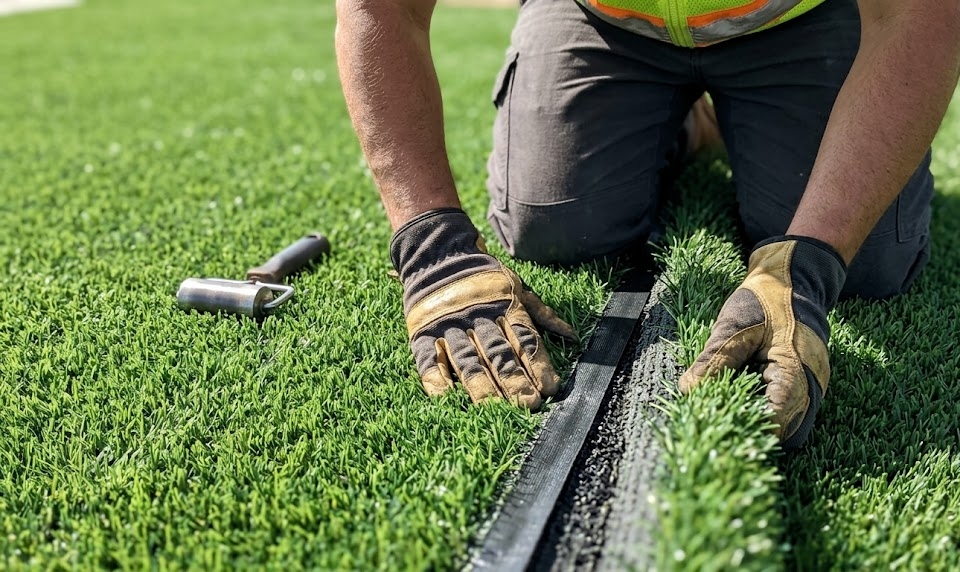
Adjacent rolls are bonded using seam fabric and adhesive, creating joints that resist lifting and edge separation under repeated lateral force. Seams are positioned away from high-traffic zones wherever possible to reduce visible wear lines over time. After seaming, perimeter edges are secured using nails or staples driven into a treated timber edge or directly into the compacted base, locking the surface in place around the full field boundary.
Infill is the final structural layer applied to the surface. The right artificial turf infill stabilizes blade orientation, adds cushioning for player safety, and provides ballast to keep the surface flat under continuous use. Crews spread infill using mechanical spreaders, then work it into the fiber pile using power brushes. Crumb rubber, silica sand, and organic alternatives like cork are the most common choices when selecting an infill system for football turf at the athletic level. The right depth depends on the turf system design and the demands of the sport itself.
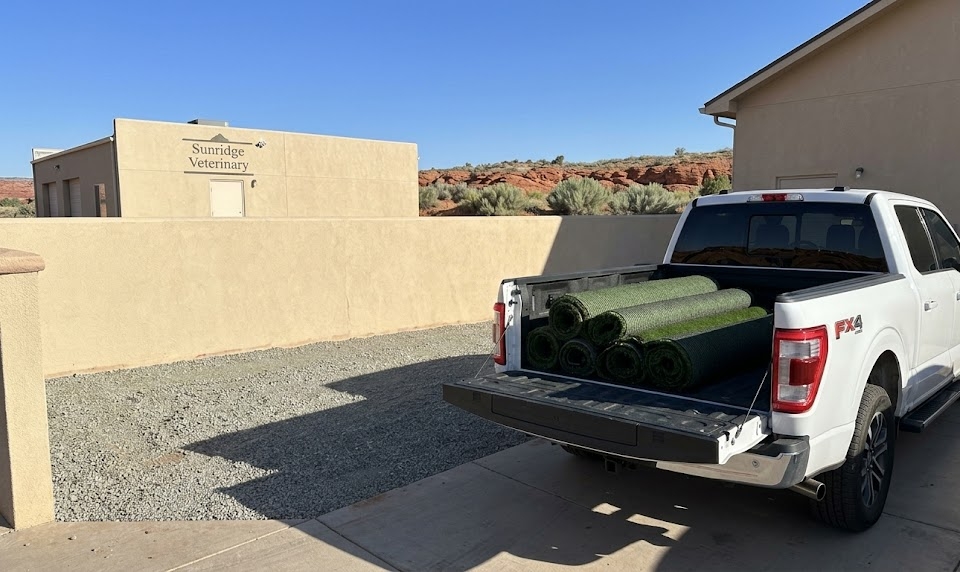
How much does artificial turf cost for a football field? For a standard 57,600 square foot field, the average cost of an artificial turf football field typically ranges from $530,000 to $1,550,000, driven by turf quality, site conditions, infill type, and regional labor rates.
Breaking it down per square foot: turf material runs $4–$9, base preparation and drainage adds $4–$10, and installation labor contributes $2–$7.
Costs climb when poor soil conditions require extensive earthwork or when premium infill systems are specified. Replacing an existing synthetic surface generally runs cheaper than a ground-up build, since the base infrastructure can often be reused.
Exploring artificial turf solutions from Festival Turf before scoping a budget is a practical first step. Product selection has a direct impact on overall project cost, and a project-specific quote will give a more accurate picture than any general estimate.
Football field turf maintenance is significantly less demanding than natural grass care, but it is not maintenance-free. A standard synthetic field requires roughly 300 hours of annual labor for cleaning, surface leveling, infill replenishment, and disinfection.
Annual costs average approximately $8,000 for a full-sized field, though that figure shifts based on use frequency and whether maintenance is handled in-house or outsourced. Periodic deep-cleaning, debris removal after heavy events, and scheduled infill top-ups extend field lifespan well beyond the average 8–12 year range.
To discuss turf products built for low-maintenance performance, request a turf installation quote directly from the Festival Turf team.
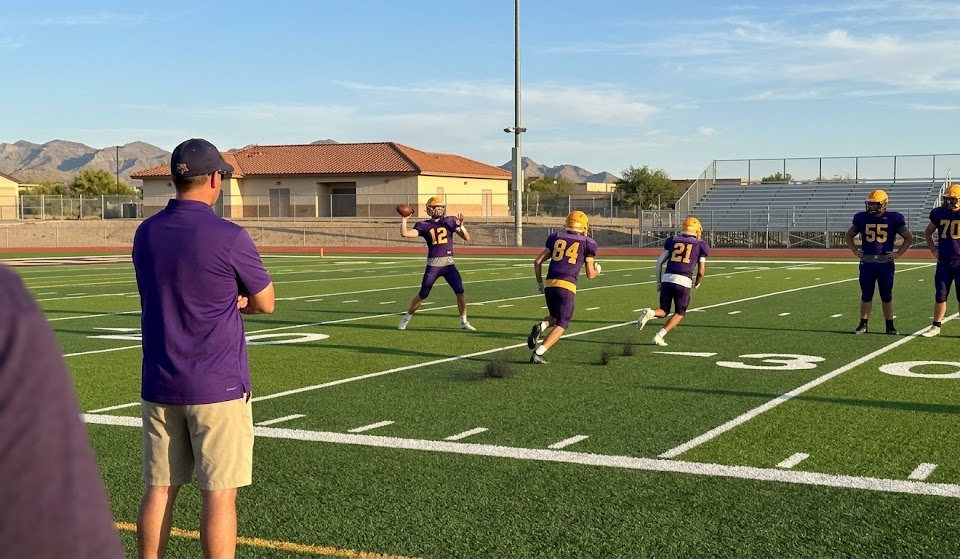
The following questions address the most common queries around the installation process.
Artificial turf football field installation follows six stages: site excavation, aggregate base compaction, drainage pipe installation, turf roll-out, seaming and perimeter securing, and infill application. Each stage must be completed in sequence for the surface to perform correctly across its intended lifespan.
Professional installation starts with grading and excavating the site, then builds upward through a compacted aggregate base and drainage system. Turf rolls are laid, seamed, and secured at the perimeter before infill is spread mechanically and worked into the pile with a power brush.
Installation crews use heavy equipment for excavation and base compaction, mechanical spreaders for infill distribution, and power brushes to work infill into the turf fiber. Seam adhesive and seam fabric bond adjacent rolls into a unified surface. The full project, from groundbreaking through final performance testing, typically takes 3–6 months to complete.
The process begins with ground preparation and builds upward through base layers, drainage infrastructure, and the turf system itself. Field markings and logos are either factory-embedded in the turf during manufacturing or precision-cut and inlaid after the rolls are placed. A final inspection and playability test confirm that the field is game-ready before use.

 Artificial Grass for Allergy Sufferers in Dallas, TX: A Complete Guide