How to Get Rid of Mold on Artificial Turf?

Emily Greenfield
September 23, 2025
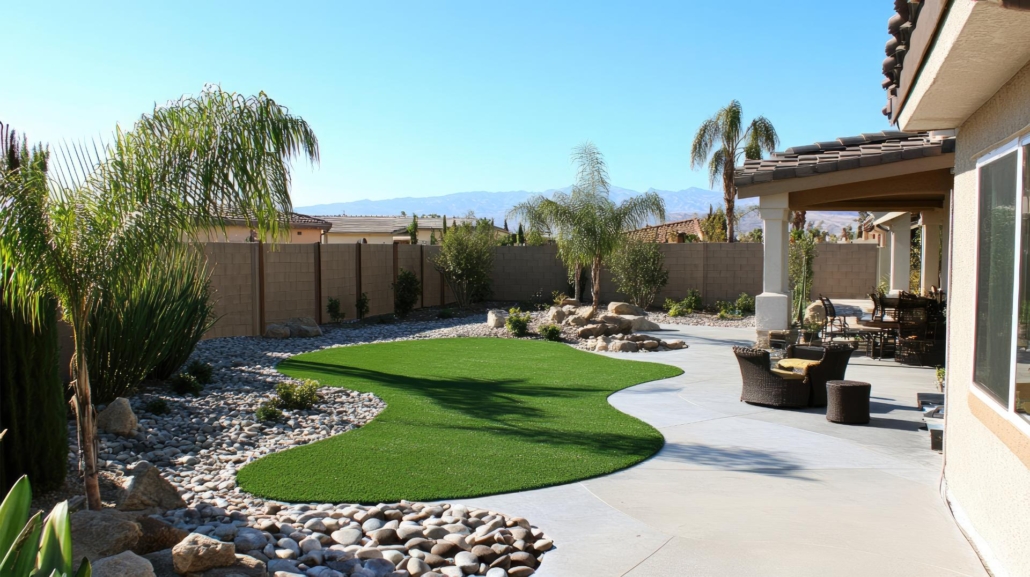
You invested in a perfect, low-maintenance lawn for a reason. You wanted a beautiful, green space without the endless weekend chores. So what’s that ugly spot doing in the middle of your paradise? The sight of mold on artificial turf is more than just an eyesore. It’s a worry about your family’s health and your investment.

Mold on artificial turf almost always comes from standing water combined with organic debris like pet waste or leaves. Small surface patches can usually be cleaned with a vinegar rinse and a stiff brush. If mold keeps coming back after cleaning, the problem is likely in the base layer, not the surface, and that calls for a professional inspection rather than another round of DIY scrubbing.
Think of your high-quality artificial turf as a fortress. It’s built to resist invaders like mold. But even the best fortress has weaknesses, and mold’s best friend is standing water. The number one cause is poor water drainage, which leads to water pooling on the surface. This creates the damp, shady hideout mold loves. That risk is highest in rainy climates. In the Pacific Northwest, where Kent, Washington sees rain nearly 180 days a year, properly installed turf in Kent, WA uses a fully permeable base layer that drains immediately.
The only other thing it needs is food. Organic debris, like pet waste, is food for grass mold, a problem not found on natural grass.

Mold is sneaky, but it leaves clues. Identifying a problem area early makes tackling a moldy lawn much easier. Keep an eye out for:
These signs can pop up anywhere, though they are less common in the dry climates typical for artificial grass in Las Vegas installations. And don’t forget your nose. A persistent musty smell is a dead giveaway for mold and mildew.

Once you’ve spotted mold on artificial turf, it’s time to act. Don’t panic. For small outbreaks, you already have everything you need to fight back. This DIY method is safe for most high-quality artificial grass products, but always test it on a small, hidden spot first.
For your safety, always wear gloves and eye protection when cleaning.
Not all mold on artificial turf is the same, and knowing the difference tells you whether a weekend cleanup will fix it or whether something deeper is going on.
Surface mold sits on top of the turf blades. It shows up as those black speckles or white furry patches, and it responds well to the vinegar-and-brush method above. If a hose rinse and scrub clears it out and it doesn’t come back within a few weeks, you were dealing with a surface issue.
Base layer mold is a different story. This happens when water gets trapped underneath the turf itself, in the drainage layer or the aggregate base. You’ll usually notice this as mold that keeps returning in the same spot no matter how often you clean it, or a musty smell that lingers even when the surface looks fine. Cleaning the top of the turf doesn’t touch this kind of moisture, because the problem is below what you can see or reach.
This is exactly why installation quality matters so much for artificial grass, especially in wetter markets. Turf installed over a compacted or poorly permeable base traps water underneath, which is the single biggest driver of recurring mold complaints in our experience.

An ounce of prevention is worth a pound of cure. The best way to handle mold on artificial turf is to make sure it never gets a foothold. That defense, which is crucial for any artificial grass for landscaping, starts from the ground up. Prevention begins with installing artificial turf correctly; a professional artificial grass installation ensures the synthetic turf is properly installed over a permeable base with proper drainage tile.
Proper lawn maintenance is one of the most effective easy landscaping ideas to protect your investment. Once a week, clear off leaves and dirt. If you have pets, clean up solid waste right away and rinse urine spots often.

If mold keeps returning after you’ve cleaned it two or three times, or if you notice a musty smell without visible mold on the surface, that’s your signal to stop DIY treatment and get the base layer inspected. At that point you’re not fighting a cleaning problem, you’re fighting a drainage problem, and no amount of vinegar fixes that.
The good news is that mold resistance starts with what you install in the first place. Festival Turf’s CamoFill infill is built with antimicrobial properties that make it harder for mold and bacteria to take hold between the blades, which matters most in pet areas and shaded yards where moisture tends to sit longer. Every Festival Turf product also comes backed by a 15-year warranty, so if something in the material or workmanship fails you, you’re covered.
Not sure if your current turf setup is part of the problem? Order a free sample to feel the difference in backing and drainage quality before you replace anything, or contact our team for a straight answer on whether what you’re seeing is a cleaning issue or an installation issue.
Yes, it can be. The CDC confirms that mold exposure can trigger allergic reactions like coughing, itchy eyes, and stuffy noses. Kids and pets are more vulnerable because they’re closer to the ground and have developing immune systems. It’s always best to remove mold immediately.
While mold won’t eat the plastic fibers of modern fake grass, it can cause ugly, permanent stains and discoloration. Worse, the constant moisture that helps mold thrive can degrade the turf’s backing and base over time, cutting its lifespan short.
It depends on your lawn’s use. For pet owners, a weekly disinfection of urine spots with a pet-safe cleaner is a smart move to control bacteria and odors. For general use, a deep clean once or twice a year is usually plenty. Always clean up food and drink spills immediately so they don’t become a buffet for mold.

 Artificial Grass vs. Real Grass: Which Is Right for Your Yard?