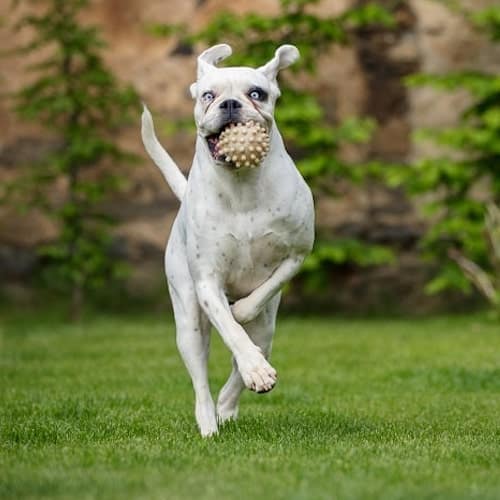
How Long Does Artificial Grass Last? Lifespan & Care

You’ve done the math on water bills, mowing time, and the dead patches that show up every August. Now you’re staring down the actual purchase, and one question keeps coming up before you commit: how long is this stuff actually going to hold up? It’s the right question to ask, because artificial turf is a bigger upfront investment than a bag of grass seed, and you want to know what you’re getting for it.

The short answer is that quality artificial grass lasts a lot longer than most people expect, and the specifics depend on where you’re installing it, how it’s used, and how it’s cared for. In this guide, we’ll walk through realistic lifespan numbers by use case, what actually shortens or extends the life of synthetic turf, and how to keep your lawn looking as good in year fifteen as it did on day one.

How Long Does Artificial Turf Last?

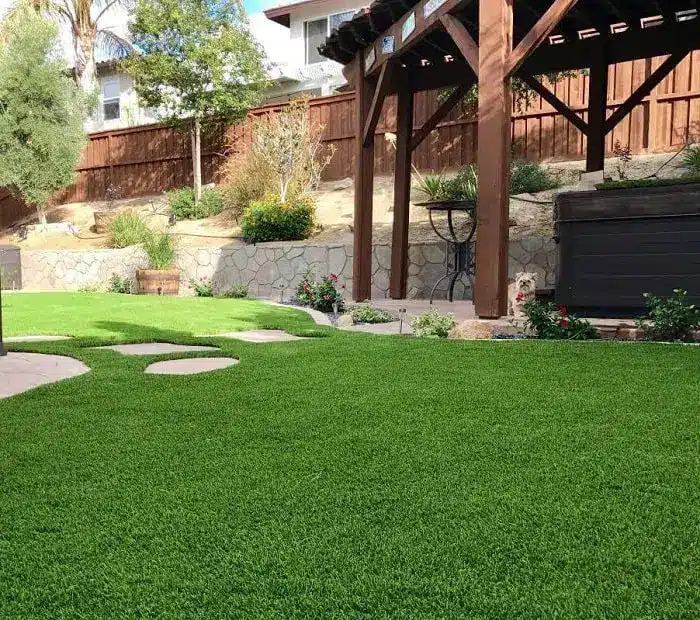
With proper installation and basic care, artificial grass typically lasts 20 to 25 years. That’s the number backed by premium turf products built with UV-stabilized fibers and durable backing, and it’s why we back most of our synthetic grass products with a 15-year warranty covering fading, workmanship, and materials.

That range isn’t a marketing figure pulled out of thin air. It reflects how modern synthetic turf is actually built: dense, UV-resistant fibers that resist fading, combined with a backing material designed to hold up under years of sun, foot traffic, and weather. The lower end of that range applies to turf that sees heavy daily use or gets minimal maintenance. The upper end is realistic for a residential lawn that gets occasional brushing and rinsing. Either way, you’re looking at two decades or more before replacement is even a conversation worth having.
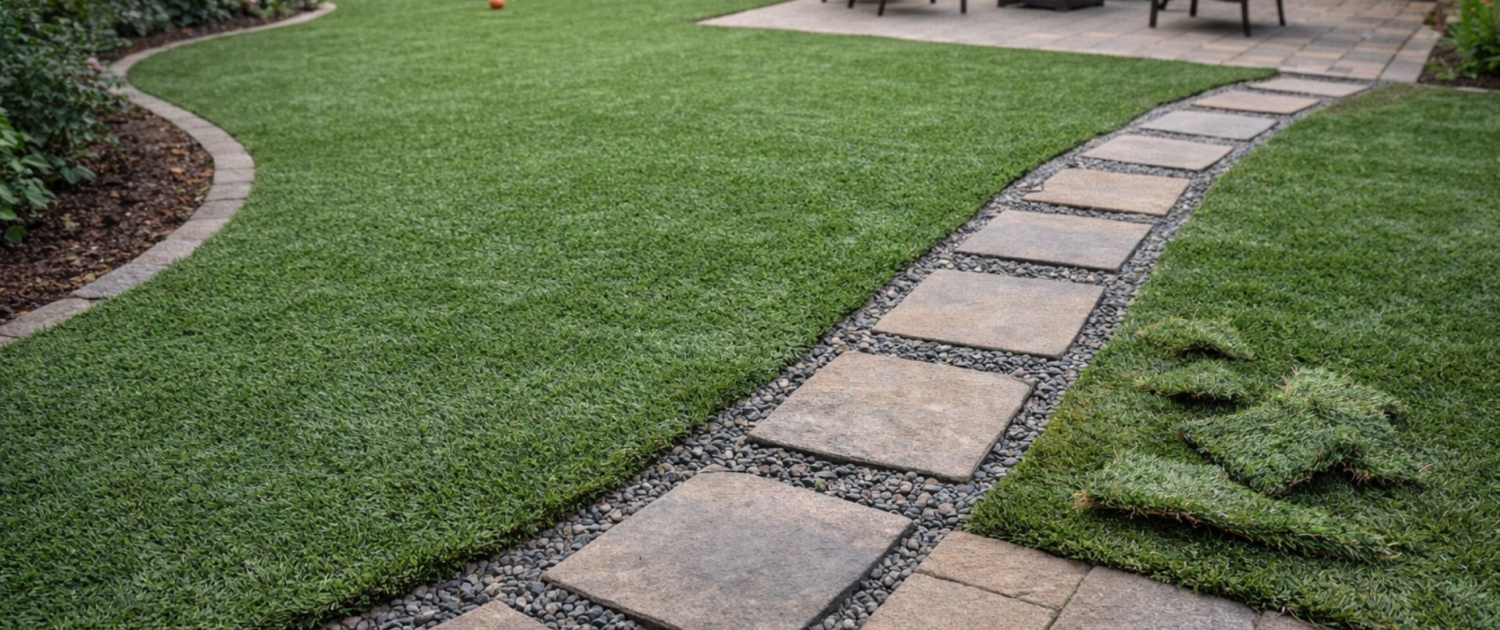
how long does turf last

Artificial Grass Lifespan by Use Case

Not all artificial turf gets used the same way, and that matters more than most buying guides let on. A front lawn that mostly gets looked at wears very differently than a backyard that doubles as a dog run.

Residential Lawns

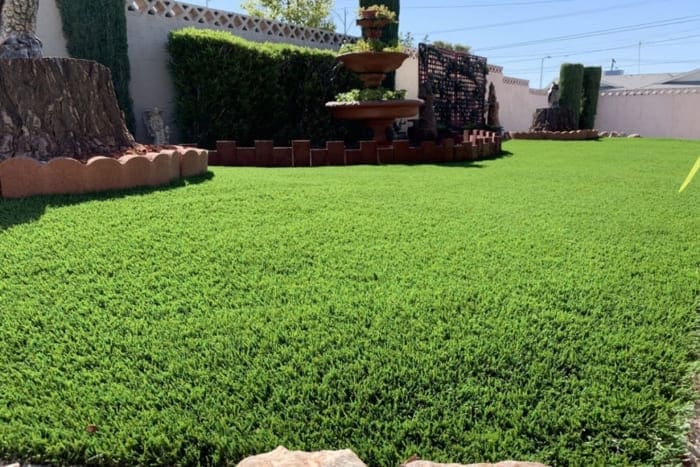
A standard residential lawn, used for everyday foot traffic and the occasional backyard gathering, sits comfortably in that 20 to 25 year window. Light, consistent use is the easiest scenario for turf to handle, and it’s the most common installation we see across our showrooms.

Pet Turf

Dogs are harder on turf than people are. Constant running, digging, and repeated urination in the same spots put more strain on both the fibers and the backing than typical foot traffic does. That’s why pet-friendly synthetic grass should be built on a polyurethane backing rather than latex, since polyurethane won’t trap odor the way latex can over time. With the right product and a pile height between 1.25 and 1.65 inches, pet turf can still deliver 15 to 20 years of solid performance.

Playgrounds and Kids’ Areas

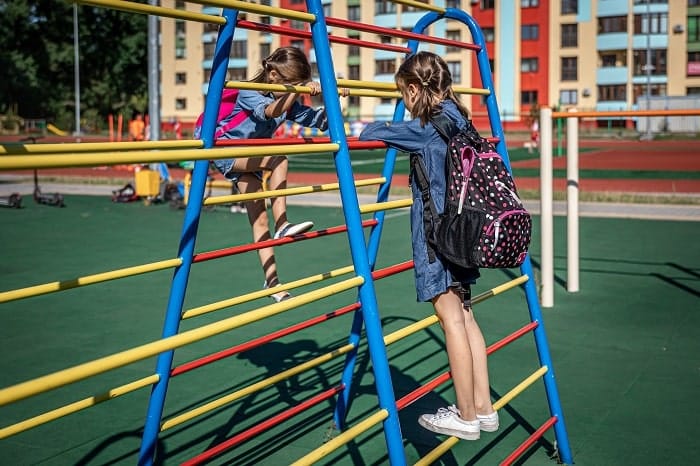
Playground and backyard play turf gets a different kind of wear: constant motion, more abrasion, and higher expectations for softness and safety. Playground-grade artificial grass is engineered specifically for that kind of traffic, and with proper base preparation, it typically holds up for 15 to 20 years even under heavy daily use.

Putting Greens and Sports Turf

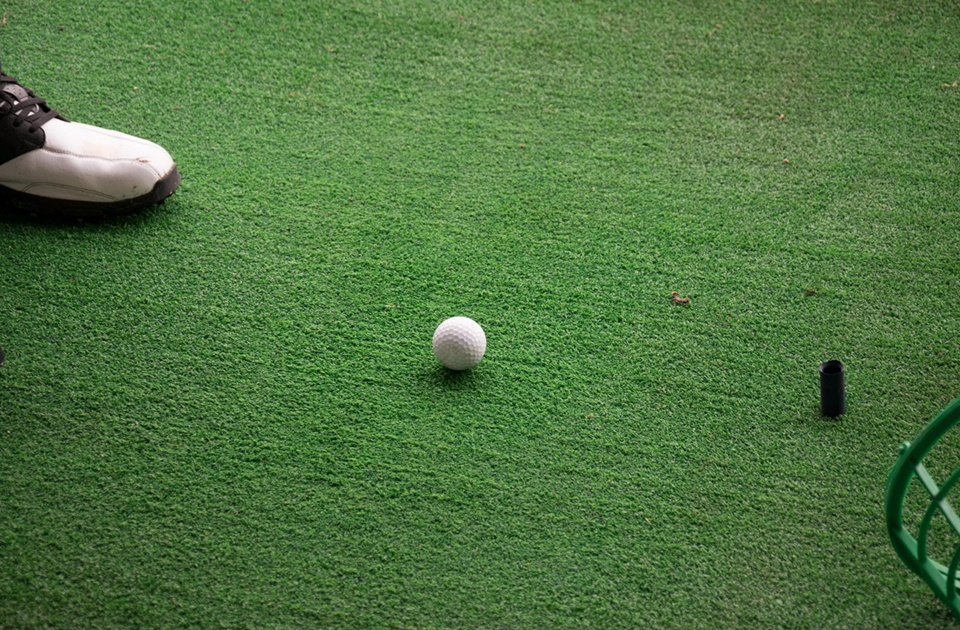
High-traffic applications like putting greens and sports surfaces see the most concentrated wear of any use case, since the same small area absorbs repeated impact. These installations generally last 8 to 15 years, which is still a strong return when you factor in the maintenance and reseeding costs of a natural turf equivalent.

Does Heat and Sun Affect Artificial Turf Lifespan?

If you’re shopping for turf in a hot, sun-heavy market like Las Vegas, Phoenix, or Dallas, this question matters more than almost anything else on this page. UV exposure is the single biggest environmental factor in how long synthetic grass holds its color and structure.

Cheaper turf without UV stabilization will fade and become brittle years ahead of schedule in intense sun. That’s a real problem in markets where lawns get direct sunlight most of the year. Quality synthetic grass, like what we supply out of our Las Vegas showroom, is manufactured with UV-resistant fibers specifically to handle desert and Sun Belt conditions without breaking down early. The tradeoff worth knowing about: artificial grass does get hot to the touch in direct summer sun, so shade structures or cooling infill are worth considering for backyards that get heavy midday use.

What Factors Affect the Longevity of Your Turf?

Beyond use case and climate, two things determine whether your turf lands on the long end of its lifespan or the short end.

The Quality of Materials

Not all synthetic grass is built the same way, and the difference shows up over time, not on day one. Lower-quality turf with thin fibers or a weak backing will look fine when it’s first installed and then fade, flatten, or fray years earlier than it should. Before you commit to a product, it’s worth ordering free samples so you can actually feel the fiber density and backing quality in person rather than guessing from a photo.

The Quality of Installation

Even the best turf underperforms if it isn’t installed correctly. Poor base preparation, inadequate drainage, or improperly secured seams will shorten a lawn’s lifespan regardless of the product itself. Professional installation protects the investment you’ve already made in quality materials, and it’s worth reviewing our warranty coverage to understand what’s protected if something does go wrong.

How to Make Your Artificial Grass Last Longer

Getting the full 20-plus years out of your lawn comes down to a handful of habits, not a complicated maintenance schedule.

Follow Your Maintenance Schedule

Different turf styles have different care requirements, and manufacturers provide specific maintenance guidelines for a reason. Sticking to that schedule is the single biggest thing you can do to protect your investment long term.

Remove Leaves and Debris

Leaves and debris trapped in the fibers make a lawn look worse and can accelerate wear if left in place. A stiff brush every couple of weeks keeps the surface clean and prevents buildup from working its way into the backing.

Keep It Clean

Pet waste, spills, and general debris should be cleaned up promptly, both for appearance and for safety, especially in yards where kids spend time. Mild detergents and enzyme cleaners can handle bacteria and odor without damaging the fibers, and a properly drained turf system should let you hose the surface down whenever it needs it.

Brush Your Lawn Regularly

Regular brushing keeps fibers standing upright and prevents matting in high-traffic areas, which is especially important for pet turf and play areas that see daily use.

Handle Minor Repairs Early

A small tear or a frayed seam only gets worse if it’s ignored. Addressing minor repairs as soon as you notice them prevents a small, cheap fix from turning into a much bigger one.

Signs It’s Time to Replace Your Artificial Grass

Even well-maintained turf eventually reaches the end of its usable life. Watch for fibers that stay flattened after brushing, noticeable fading or color change across large sections, a backing that feels stiff or is starting to crack, and drainage that’s slowed down enough to leave standing water. Any one of these on its own isn’t usually urgent, but two or more together generally mean it’s time to start planning for a replacement.

Frequently Asked Questions

How long does turf last?

Most synthetic turf lasts 8 to 25 years depending on the application. Residential lawns typically reach 20 to 25 years, while high-traffic uses like sports turf or putting greens average 8 to 15 years.

Does artificial grass fade over time?

Lower-quality turf without UV protection can fade noticeably within a few years, especially in high-sun climates. UV-stabilized fibers resist fading for the full lifespan of the product.

Does foot traffic shorten artificial turf’s lifespan?

Yes. Heavier, more concentrated foot traffic, like a dog run or a putting green, wears turf faster than light residential use. Choosing turf rated for the right traffic level helps offset this.

Is artificial grass worth it if it only lasts 15 to 20 years?

For most homeowners, yes. Even at the shorter end of that range, you’re avoiding 15 to 20 years of watering, mowing, and reseeding costs, which typically outweighs the upfront investment well before the turf needs replacing.
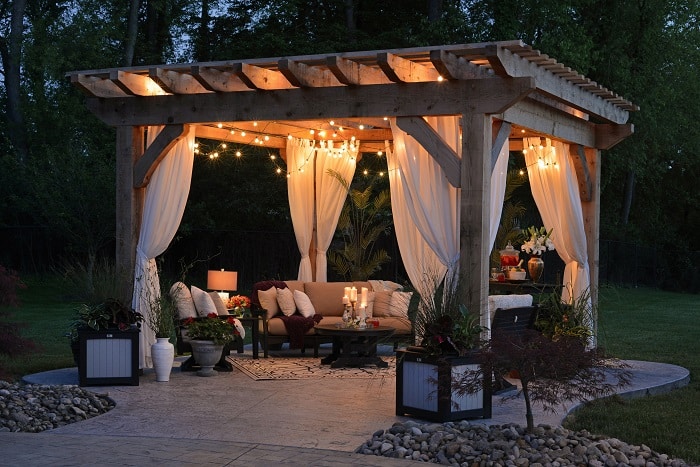
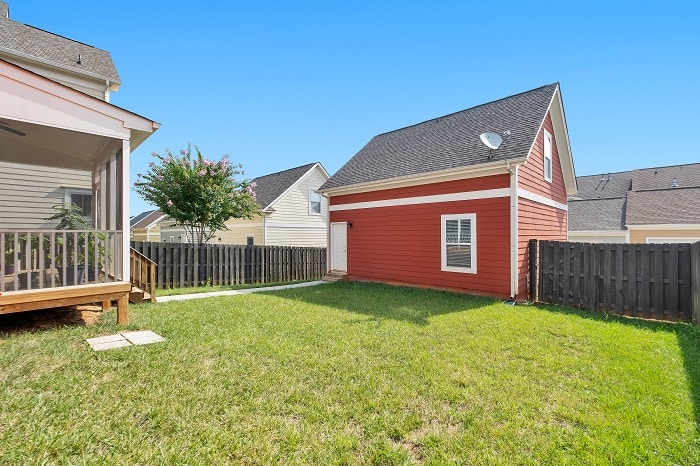
Landscaping 101: Easy Landscaping Ideas for Beginners

Landscaping 101 means learning to plan and shape the outdoor space around your home using plants, hardscaping, and design structure, rather than tackling everything at once with no plan at all. It’s different from gardening, which focuses on maintaining what’s already planted. Landscaping is the bigger picture: deciding what goes where and why. You don’t need a design degree or a contractor to get started. You need a plan, a few easy first projects, and the patience to build from there.

Landscaping 101: Start With a Plan

Start with a rough sketch, even a simple one on graph paper works, showing where the driveway, house, and any existing trees sit. Place your biggest, most permanent elements first: a large tree, a patio, or the lawn area itself. Everything smaller, flower beds, edging, mulch, gets planned around those anchors, not the other way around. Beginners who skip this step tend to end up with a yard that looks like a collection of separate ideas rather than one connected space. Before buying a single plant, answer three questions:

What do you actually need from the space? Think through who uses the yard. Kids and pets change what surfaces and layouts make sense. A quiet reading corner needs different planning than a space built for cookouts.

What’s your budget? Set a number, then add 10 percent for the unexpected cost that always shows up mid-project.

What can you do yourself, and where do you need help? Simple projects like a mulch bed or a border planting are well within reach for a first-time landscaper. Larger jobs, like installing artificial grass on your own, are also doable with the right guide, but a big regrade or a retaining wall is where hiring a licensed contractor makes sense.

The Four Building Blocks of Any Landscape

landscaping ideas for beginners, landscaping 101

Every yard, no matter how simple, is built from four elements:

Lines. Paths, bed edges, and fence lines guide the eye and define where one area ends and another begins.

Form. The shape of plants, trees, and hardscaping, rounded versus angular, tall versus low, sets the overall structure.

Texture. Mixing coarse and fine textures, like broad-leafed plants next to fine grasses, keeps a small space from looking flat.

Color. A simple palette repeated through the yard reads as intentional. A different color in every bed reads as random.

Keeping these four in mind while planning stops a yard from becoming a collection of unrelated ideas.

Easy Landscaping Projects for Beginners

landscaping 101

These are the lowest-effort, highest-payoff projects to start with:

  1. Add a mulch bed around existing trees or shrubs. It cleans up the look instantly and cuts down on weeding.
  2. Install edging along a walkway or bed line using brick, stone, or steel. It gives the whole yard a finished look for very little cost.
  3. Build a simple gravel or paver path between two points you already walk between, like the driveway and the back gate.
  4. Plant one focal tree. A single well-placed tree does more for a yard’s character than a dozen small plants scattered around.
  5. Replace a struggling patch of lawn with artificial grass. This is the one project on this list that removes an entire category of future maintenance instead of just adding to the yard.

The Lawn Decision That Removes the Most Guesswork

Every other project on this list still needs watering, weeding, or seasonal upkeep once it’s in the ground. A live lawn is the one part of a beginner’s yard most likely to go wrong, since grass depends on watering schedules, soil condition, and timing that a first-time landscaper hasn’t learned yet.

Artificial grass sidesteps that problem entirely. There’s no germination window to miss, no watering schedule to manage, and no risk of a patchy result from uneven seeding. For a beginner balancing hardscape and softscape for the first time, as described above, artificial grass is one less variable to get wrong. It also holds up immediately, which matters if you’re building artificial grass ideas around a pool or patio where a struggling lawn would be the most visible failure in the whole design.

If you’re weighing the options, comparing the different types of artificial grass before you commit helps you pick the right texture and pile height for how the space gets used, whether that’s a play area, a pet run, or a front yard that needs to hold its color year round.

Easy Front Yard Landscaping for Beginners

Start with the big, fixed elements: the driveway, walkways, and any fencing. These define the structure everything else fits into. Once those are placed, move to plant selection.

Ground covers and shrubs fill in foundational areas without demanding much attention once established.

The lawn area is where most beginners either commit to a full watering and mowing routine or decide artificial grass is the simpler path. Either is valid, but know which one you’re choosing before you plant.

Trees and flowers add the finishing layer. A tree earns its place by providing shade and shaping the yard’s overall form, discussed above. Flowers add color but need the most ongoing care of anything in this list.

For more design direction once the basics are in place, these artificial grass landscaping ideas cover layout options in more depth.

When to Start

Live plantings do best when started in spring or early fall, since both give roots time to establish before summer heat or winter cold sets in. This is one more place artificial grass simplifies things for a beginner: it can go in any time of year, since there’s no growing season to plan around. A landscaped yard isn’t just about looks. It’s one of the more cost-effective ways to raise a home’s value, and a well-planned yard can lower cooling costs in summer by shading windows and walls with trees placed in the right spots. It also just makes the space usable.

Frequently Asked Questions

What’s the difference between landscaping and gardening?

Landscaping is the overall planning and design of an outdoor space, including hardscaping, structure, and layout. Gardening is the ongoing care of the plants within that space. Landscaping happens first; gardening is what keeps it going.

What’s the easiest landscaping project for a total beginner?

A mulch bed or edging project. Both take a weekend, cost little, and immediately make a yard look more intentional without requiring any design experience.

Do I need to hire a landscaper to get started?

No. Most first landscaping projects, mulch beds, edging, a simple path, or artificial grass installed with a guide, are well within reach for a homeowner. Save a contractor for major regrading or structural work.

Is artificial grass a good choice for a first landscaping project?

Yes. It removes the watering, seeding, and timing variables that trip up most beginners with a live lawn, and it can be installed at any time of year rather than only in a spring or fall planting window.

Ready to see how artificial grass fits your first landscaping project? Contact artificial grass provider company and compare it against your yard before you commit. Every Festival Turf product ships with a 15-year warranty.

Putting Green Design: How To Build An Artificial Putting Green In Your Backyard

You love golf, but the course is 30 minutes away and your short game isn’t improving. A backyard putting green closes that gap. Step outside, drop a few balls, and practice your read whenever you want.

Natural grass greens take daily mowing, rolling, and watering to stay tournament ready. Most homeowners don’t have time for that. Artificial putting green turf gives you the same true roll without the maintenance. Here’s what you need to know before you build one.

What Is Artificial Putting Green Turf?

Putting green turf is a specialty product built for one job: controlling how a golf ball rolls. It has a much shorter pile height than regular lawn turf, usually between 0.5 and 0.75 inches, so the ball moves smoothly across the surface instead of catching on longer fibers.

Manufacturers engineer the fiber, backing, and infill together to mimic the speed and feel of a real green. Get those three things right and your backyard green plays close to what you’d find at a course.

How to Choose the Right Putting Green Turf

Not all putting turf performs the same. Match these specs to how you actually plan to use the space.

Face Weight and Pile Height

Face weight tells you how much material sits on every square yard of turf. Standard putting turf runs 21 to 40 oz. If you want a denser, longer-lasting surface, look at 41 to 60 oz options instead.

Pile height controls speed and roll consistency. Stick to 0.5 to 0.75 inches for true putting performance. Go any taller and the ball loses momentum too fast.

Stimp Rating

Stimp rating measures how fast a ball rolls on a given surface, using a Stimpmeter to test distance. Here are the three main categories of Stimp ratings recommended by UGSA:

  • Slow: 4.5 to 6.5 feet
  • Medium: 6.5 to 8.5 feet
  • Fast: 8.5 to 10.5 feet

Infill quantity is your main lever here. Add more infill and the green plays faster. Use less and you slow it down for beginners or kids learning the game.

Turf Material

Three fiber types dominate the putting green market:

  • Nylon. Tough, fire resistant, and built for daily wear. It fades faster under direct UV exposure than the alternatives, so pair it with a UV-stabilized coating in sunny climates.
  • Polyethylene. Made from recycled plastics. Handles sun exposure well, feels soft underfoot, and costs less than nylon. A solid all-around choice for most backyards.
  • Polypropylene. The most budget-friendly option, but also the least durable. It has a low melt point, so it holds up poorly under heavy foot traffic or high heat compared to nylon and polyethylene.

Color and Texture

Green is the obvious choice, but shades vary quite a bit. Pick a tone that reads as natural against your existing landscaping rather than one that looks artificial from the patio. If your yard leans desert or drought-tolerant, a slightly warmer green tends to blend in better than a bright, saturated shade.

putting green for your backyard

How to Build a Backyard Putting Green

Pre-made kits come with their own instructions, so follow those closely. If you’re planning a custom DIY layout, here’s the general process:

  1. Choose your location and size. A single-hole green works fine in a small yard. Bigger yards can support multiple holes or a full practice green.
  2. Mark the layout. Outline the shape, then remove the sod inside the lines and clear away debris.
  3. Prep the base. Apply a weed killer and lay landscape fabric underneath to stop regrowth long term.
  4. Set the cups. Dig small drainage trenches near each cup so water doesn’t pool.
  5. Build the sub-base. Spread crushed stone evenly, then compact it with a lawn roller until it’s smooth and firm. This step matters more than any other, since a flat, even sub-base is what makes the ball roll true. Skip it and no amount of quality turf will fix an uneven surface. Cut cup holes into the compacted base with a shovel.
  6. Pre-shrink the turf if instructed. Some manufacturers require this step. Plan for at least a full day if yours does.
  7. Lay and secure the turf. Cut it to fit with a utility knife, then anchor it with landscape staples or turf pegs.
  8. Finish the border. A retaining wall or edging material keeps everything clean and contained.

How Much Does a Backyard Putting Green Cost?

Most backyard putting greens run $15 to $40 per square foot installed, depending on turf quality, base prep, and design complexity. DIY installations cost less, typically $5 to $20 per square foot, since you’re covering materials without labor.

Size changes your per-square-foot math. Smaller greens under 400 square feet often land at the higher end, around $25 to $40 per square foot, since setup costs get spread across less area. Go bigger, past 2,000 square feet, and that number can drop closer to $15 to $20 per square foot.

Want to see the turf up close before you commit to a size or budget? Order a free sample and test the feel, color, and pile height in your own backyard first.

Frequently Asked Questions

What size should a backyard putting green be?

Most homeowners do well with 100 to 500 square feet. That’s enough room for a few cup placements and putts of varying length without overtaking the yard.

Can I install a putting green over existing grass?

No. You need to remove the sod and build a proper compacted base underneath. Installing turf directly over grass leads to uneven settling and poor drainage.

How long does artificial putting green turf last?

Quality putting turf typically holds up for 10 to 15 years with normal use, depending on fiber type, sun exposure, and how well the base was prepared.

Do I need professional help to build one?

Small, simple greens are doable as a weekend DIY project. Larger greens with contours, breaks, or multiple holes usually turn out better with an experienced installer handling the shaping and base work.

Ready to Build Your Green?

Festival Turf carries putting green turf built for true roll and daily play, backed by the largest inventory in the US and a lowest price guarantee. Browse our commercial and residential putting green turf options, or order free samples to compare face weight, pile height, and color before you buy.

Have questions about which turf fits your project? Contact our team.

It takes a considerable effort to maintain natural putting greens on golf courses. These surfaces are almost impossible to have at home. But if you are a golf fan, adding an artificial putting green to your backyard is the perfect alternative. Here is what you need to know about these surfaces!

Fake Grass for Balcony: How to Choose the Best Turf

Fake grass for balcony spaces is one of the easiest ways to turn an underused outdoor spot into somewhere you actually want to spend time. If you’ve got a balcony but not much else, no yard, no soil, just concrete or tile, synthetic turf gives you a soft, green space for relaxing, entertaining, or just enjoying the fresh air. This guide breaks down how to choose the right artificial grass for balcony, from texture and density to drainage and installation.

Can You Lay Fake Grass on a Balcony?

Do you own the balcony or have a license to make changes to it? First, check with the local community to ensure you aren’t breaking any regulations. As long as you aren’t violating any rule, feel free to place artificial turf on the balcony.

The main benefits of using fake grass for balconies include:

  • Artificial turf is resistant to rain, snow, and other weather conditions.
  • It’s perfect for relaxing and enjoying the sunshine.
  • You can improve the curb appeal and overall property value.

Keep in mind that artificial grass does retain more heat than natural grass in direct sun. This matters more on a balcony than a yard, since concrete and reflected heat can make the surface warmer. Choosing a lighter-colored infill, adding partial shade, or rinsing the turf on hot days helps keep it comfortable underfoot, especially in warmer climates like Las Vegas and Phoenix.

fake grass for balcony

What to Look for in Artificial Grass

You need fake turf that will look great and last for years. It’s why you should stick to reliable suppliers and brands. Adding infill can extend the longevity of artificial grass, so make sure to choose silica stands or crushed rubber. Now, here are the features to assess to ensure the turf meets your expectations!

Texture

The texture depends on the blade’s firmness, which affects the feeling when walking over the turf. If you go with soft blades, you’ll love stepping on them. However, they aren’t as durable as hard blades. If you expect heavy traffic on your deck, pick a more rigid texture to extend the durability.

Density

The density shows strands per sq. ft. If you go with a dense option, the turf will look more natural. Some might not even notice it’s fake. But if the density is low, it’ll be easier to figure out the grass is artificial. On the other hand, a lower density decreases the turf’s overall cost.

Length

This refers to the height of your artificial grass for patio. The usual height is around a single inch above the ground, although there are various options available. Unless you plan to play golf, this shouldn’t make much difference in how your patio looks.

Material

You can pick from three different options:

  • Nylon. It will be a significant investment, but it can withstand foot traffic.
  • Polypropylene. It’s an affordable material, but its durability isn’t impressive.
  • Polyethylene. This synthetic fiber offers a soft touch and a natural appearance. Not sure which one’s right for your balcony? Check out our full breakdown of polyethylene vs. nylon artificial grass to compare durability, feel, and cost.

Best Artificial Grass for Balconies

For most balconies, you don’t need the thickest, most premium turf on the market. A shorter pile handles foot traffic in a smaller space just fine and costs less. Pro 70 is a solid starting point: a budget-friendly, short-pile option built for lower-traffic areas like balconies and patios. If you want a fuller, more realistic look for entertaining or lounging space, LUXE 80 balances a natural appearance with everyday value. Browse artificial grass options or order a free sample to feel the texture and thickness before you buy.

landscaping 101

How to Take Care of Artificial Grass on a Balcony

The great thing about the artificial grass for balconies is that artificial turf requires minimal maintenance. Check out these tips to maintain it in perfect condition:

  • Remove stains with a hose. If you can’t use a hose on your balcony, a bucket of water is enough. The drainage should take care of all the water. Once the turf is dry, use a mild fragrance.
  • Use a water-vinegar mix for persistent stains. Grab a small bucket and combine water and vinegar. Take a cloth and wipe the stain to eliminate it.
  • Remove dust and leaves with a vacuum cleaner. If you have a large rooftop covered by artificial turf, an air blower could assist, too.
  • Straighten the crushed tips occasionally. You can use a hard broom to make the crushed areas vertical.
    If necessary, call a professional to perform regular maintenance of your artificial turf.

How to Install Fake Grass on Balcony

it’s now time to install your artificial grass. Check out our DIY installation videos for a step-by-step walkthrough before you get started.

Prepare the Surface

It’s imperative to check the balcony and turf surfaces. As for the balcony, it’s better if the concrete is the material under the artificial grass. It’s essential to even the balcony surface, which you can do by adding a foam underlay. As for the artificial turf, remove any dirt that got stuck to ensure a smooth installation.

artificial grass for balcony

Measure the Balcony

You picked the fake grass size closest to your balcony’s dimensions. However, it will be necessary to cut the turf, which is why you should mark it first. Next, check the width and length of the area where you want to place the grass. Add several inches to have wiggle room, and mark those dimensions on the fake turf.

Prepare Turf Layout

If you have everything ready, it’s time to unroll the artificial grass. Position it to cover the area to position it. If you are working to cover large zones, you could use a helping hand. Once you lay everything out, it’s time for the next step.

Trim the Artificial Grass to the Right Size

You can mark the area to cut with chalk or another market. Use a utility knife or any other tool that can make adequate cuts. Try to follow the line carefully to ensure an optimal turf appearance.

If you need to join grass sections, you can use joining tape. However, glue is necessary at the edges. It ensures your fake turf stays in place. Once you finish gluing, press the turf to ensure it bonds better to the surface below.

Frequently Asked Questions

Do I need a permit to install artificial grass on my balcony?

Usually not, but it depends on your building or HOA. Always check with your property management or homeowners association before making changes to a balcony, especially in condos and apartment buildings.

Does artificial grass on a balcony get too hot?

It can retain more heat than natural grass, particularly in direct sun. Lighter-colored infill, partial shade, or rinsing on hot days helps manage this.

How do I stop water from draining onto the balcony below?

Use turf with a permeable, drainage-ready backing and install a drainage tile or mat underneath. This directs water through the turf and off the balcony surface instead of pooling.

What’s the best pile height for a balcony?

A shorter pile, generally under 1.5 inches, works best for balconies. It handles foot traffic well and doesn’t require as much maintenance as longer, denser turf.

Once your artificial grass is trimmed, glued, and pressed into place, your balcony is ready to enjoy. No mowing, no watering, no maintenance beyond an occasional rinse. Order a free sample to find the right texture and pile height for your space, or contact us if you have questions about choosing the best turf for your balcony.

Why Use Silica Sand For Artificial Grass?

Silica sand is the most common infill for artificial grass because it’s affordable, helps the blades stand upright, and supports proper drainage. If you’re installing artificial grass, infill isn’t optional. Without it, the turf will wrinkle, shift, and mat down faster than it should. Though Silica sand isn’t the only infill option, it’s the one most homeowners land on. This guide covers what it does, how it compares to other infill types, and how much you’ll need for your yard.

What Is Silica Sand?

Silica sand is an infill you’ll often see in artificial turf setups. The material resembles sand, but it’s made of silica. While it’s necessary to stick to the instructions, this sand is perfectly safe to use with artificial grass. Silica will assist in keeping the blades upright and ensure there’s no wrinkling.


Why Should You Use Silica Sand for Turf

Even if you come across artificial grass that “doesn’t need infill,” it’s still smart to use it. The infill will extend the turf’s longevity, which saves money in the long run. Now, let’s check out why you should choose silica sand for turf setups!

It Is Cost-Effective and Durable

The market offers three infill choices for artificial grass: crumb rubber, organic, silica sand. Out of these three options, silicon hand is the most affordable. You’ll get it at the lowest price, but that doesn’t compromise its durability. Silica will keep your artificial turf flawless for long to deliver the best value for money!

Made of Non-Toxic Materials

You often hear that silica is dangerous for your health. But the truth is you just need to be careful when installing silica sand infill. It will require wearing safety protection to keep you from inhaling the material. This material is safe as long as you don’t breathe in the silica dust.

Furthermore, this sand comes from natural materials. Silica is a substance derived from quartz, and you receive grains of its sand in the package. The crucial thing is that a premium manufacturer won’t add any additives. Other sand types could contain chemicals such as polycyclic aromatic hydrocarbons (PAH) that could harm people and animals, which makes silica a safer choice.

Silica Sand For Artificial Grass

Provides UV Protection for Turf Backing

Sunlight is healthy to some extent, but long exposure to UV rays can be harmful. That’s true for human skin, but also any other surface. For example, if you expose a painted wall to ultraviolet rays, it will start fading quickly.

Artificial grass can also suffer under UV rays, but silica can help minimize this damage. This infill can resist UV rays well, which maintains the optimal condition of the turf packing.

Safer Than Crumb Rubber Infill

Crumb rubber is a frequent infill choice for artificial soil. People believe it’s safer than silicon, but crushed rubber contains dangerous materials. Manufacturers make it from rubber tires, which often contain oils, zinc, and black carbon.

Furthermore, crumb rubber often contains PAHs, which are carcinogens even after the compaction. It could be dangerous if you get in touch with the turf, so it’s better to choose silica.

Helps Synthetic Grass Blades Stand Upright

The crucial advantage of silica infill is that it helps blades stand in an optimal position. It contributes to the blade fiber stability. That ensures the turf looks like natural grass and maintains the 3D appearance for longer.

Blades are a common reason why your artificial turf stops looking attractive after a while. If you use silica infill, you will ensure they remain upright longer, even if there’s heavy foot traffic.

Does Artificial Grass Need Infill?

Some manufacturers sell artificial turf, claiming it doesn’t require infill. And while that might be true, the reason why your fake grass needs infill is durability. If you don’t add it to the soil, the turf will lose its initial attractiveness quickly.

You’ll notice the blades don’t stay erect, which ruins the turf’s overall appearance. Even the highest-quality artificial grass material can use infill to extend its longevity.

Silica infill has the role of weighing down the fake grass. That will help maintain the turf’s appearance despite overuse or environmental factors. Of course, if it’s raining heavily, you’ll still need adequate drainage. But silica will assist in ensuring the artificial grass doesn’t ripple in extreme weather conditions. A smart choice of infill and optimal turf installation can even help that pet odor doesn’t become an issue.

How Much Silica Sand Do I Need for Artificial Grass?

It depends on the chosen brand, but the experts recommend adding at least one pound of infill per square foot of fake grass. If you want to use the maximum potential of the infill, you can double the amount and add two pounds per square foot.

Best Uses for Silica Sand Infill

Silica sand works well across most residential applications, but it’s a particularly strong fit for lawns that see low to moderate foot traffic, like front yards, side yards, and decorative landscaping where the priority is a clean, consistent look rather than heavy daily use.

It’s also a common choice for putting greens, where a firm, level surface supports consistent ball roll. If you’re installing turf for a backyard putting green or another low-impact commercial application, silica sand is worth discussing as your infill option before you commit to a pricier alternative.

Silica Sand vs. Other Infill Options

Silica sand isn’t the only infill choice, so it helps to know how it stacks up. Crumb rubber offers more cushioning underfoot, but it’s made from recycled tires and can carry the same PAH concerns covered above. Coated sand infills, like Envirofill, are built to resist odor and bacteria buildup better than raw silica sand, but they typically cost more per bag.

For most residential lawns, silica sand hits the balance point: it’s affordable, it does the job of keeping blades upright and adding drainage, and it doesn’t carry the same health questions as crumb rubber. If you’re weighing infill options for a high-traffic yard, pet area, or commercial project, our team can walk you through which type fits your situation. Contact us to talk through the right infill for your project.

Where to Buy Silica Sand for Artificial Grass?

Wherever you’re located, stick to a seller that stands behind both the turf and the infill with a real warranty, not just whoever’s cheapest online. Festival Turf carries silica sand infill alongside our full lineup of artificial grass at showrooms in Las Vegas, Phoenix, San Diego, Dallas, and Denver, so you can see and feel the product in person before you buy no matter which market you’re in.

Choosing the right infill will help extend the overall longevity of your artificial grass, but the bigger decision is the turf itself. A quality product with the right backing and warranty will outlast the infill question either way.

FAQs

Does Artificial Grass Need Infill?

Some manufacturers sell artificial turf, claiming it doesn’t require infill. And while that might be true, the reason why your artificial grass needs infill is durability. If you don’t add it to the soil, the turf will lose its initial attractiveness quickly. You’ll notice the blades don’t stay erect, which ruins the turf’s overall appearance.

How Much Silica Sand Do I Need for Artificial Grass?

It depends on the chosen brand, but the experts recommend adding at least one pound of infill per square foot of grass. If you want to use the maximum potential of the infill, you can double the amount and add two pounds per square foot.

What Infill Is Better: Silica Sand or Crumb Rubber?

Crumb rubber offers more cushioning underfoot, but it’s made from recycled tires and can carry the same PAH concerns covered above. Coated sand infills, like Envirofill, are built to resist odor and bacteria buildup better than raw silica sand, but they typically cost more per bag. For most residential lawns, silica sand hits the balance point: it’s affordable, it does the job of keeping blades upright and adding drainage, and it doesn’t carry the same health questions as crumb rubber.

How Is Silica Sand Infill Installed?

Once your turf is laid and rolled out, silica sand is spread evenly across the surface using a drop spreader, which keeps the coverage consistent instead of leaving heavy clumps in some spots and bare patches in others. After spreading, a stiff push broom works the sand down between the blades so it settles at the base instead of sitting on top. Go slow and add infill in layers rather than dumping the full amount at once.

Can You Use Silica Sand on a Putting Green?

Silica sand is a common choice for putting greens, where a firm, level surface supports consistent ball roll. If you’re installing turf for a backyard putting green or another low-impact commercial application, silica sand is worth discussing as your infill option before you commit to a pricier alternative.

Where to Buy Silica Sand for Artificial Grass?

Wherever you’re located, stick to a seller that stands behind both the turf and the infill with a real warranty, not just whoever’s cheapest online. Festival Turf carries silica sand infill alongside our full lineup of artificial grass at showrooms in Las Vegas, Phoenix, San Diego, Dallas, and Denver, so you can see and feel the product in person before you buy no matter which market you’re in.

A guide to Installing Artificial Grass Between Pavers

Installing artificial grass between pavers gives your patio, walkway, or backyard a clean, finished look without the weeds, mud, or upkeep of real grass. It takes more precision than a standard turf lawn install, but the process is straightforward if you follow the right order of steps.

Can You Install Artificial Grass Between Pavers?

Yes. Installing synthetic grass between pavers works similarly to a standard turf installation, with one key difference: the pavers go down first, then the turf goes in around them. Doing it in reverse, laying grass first and cutting pavers into it, usually damages the turf and leaves a rougher finished edge.

Combining pavers with artificial turf gives a garden a neater, more defined look than loose surfacing materials or real grass, which tend to spill, shift, or die out between hardscape edges.

Tools and Materials You’ll Need

  • Artificial grass
  • Utility knife with a fresh, sharp blade
  • Turf nails or landscape staples
  • Hand tamper (or a brick and hammer for tight gaps)
  • Class II road base or a compactable sub-base material
  • Seaming tape and turf adhesive
  • Infill (sand, rubber, or cork blend)
  • Stiff-bristle broom

How to Install Artificial Grass Between Pavers: Step-by-Step

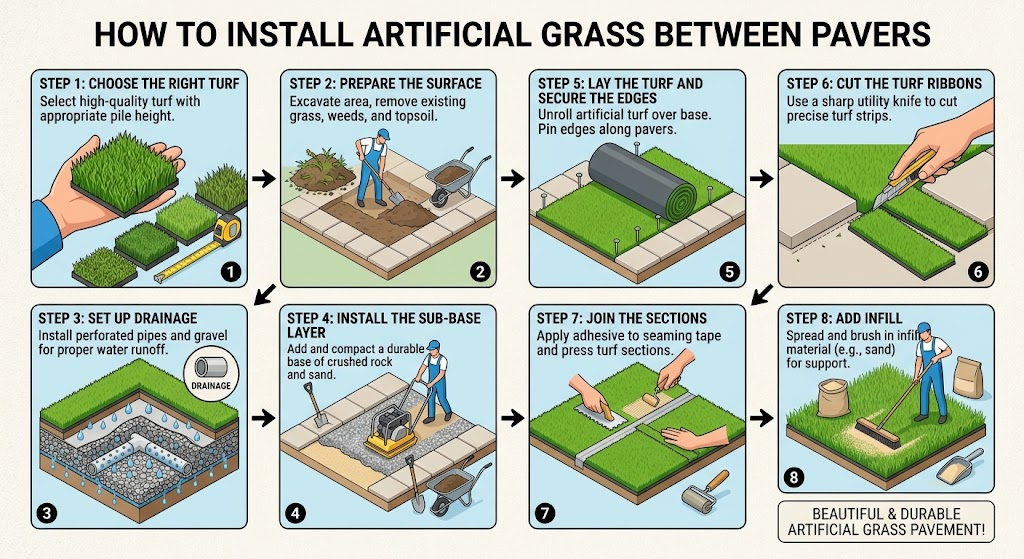
Artificial grass between pavers, step by step installation infographic

Installing pavers with artificial grass between them does add a few extra steps and considerations to the project. To get the best results, we recommend having your artificial grass installed by one of our experts. If you are confident in your DIY abilities, however, the process is not too complicated. Here is our step by step guide to installing artificial grass between pavers:

1. Choose the Right turf

The edges of your artificial turf are subject to the most wear and tear, so durability is an important consideration when installing thin strips of synthetic grass between pavers. Shorter piles such as our Gold or Riviera products help to prevent tripping and snagging that can damage the turf as well as present a danger.

2. Prepare the Surface

Artificial turf needs a level surface and a compacted base to hold its shape. The right base material depends on what’s underneath:

  • Over dirt or soil: remove 2 to 4 inches of existing ground material to make room for the base layer.
  • Over concrete or other hard surfaces: check drainage first. Concrete won’t absorb water the way soil does, so you may need drainage holes drilled before installing turf.

For gaps between pavers, use a harder base material that compacts well and holds level with the pavers over time.

3. Set Up Drainage

Keep the drainage fill elevation less than half an inch below ground level once compacted. Use a hand tamper to compact evenly. Uneven compaction lets turf settle unevenly over time, which creates trip hazards and lets water pool underneath, both of which can damage the turf.

4. Install a Sub-Base Layer

Laying and compacting sub-base in between pavers is an annoying task. Most tamping tools, even hand tampers, won’t fit in the space. However, you can improvise an effective solution with a brick or plank that will fit into these gaps and hitting it with a hammer or mallet.

5. Lay The Artificial Grass and Secure The Edge with Nails

Roll the artificial grass over the pavers and let it sit for at least 4 hours. This gives the fibers time to recover from packaging and lets the backing start to mold around the paver edges. Keep all turf ribbons facing the same direction, and leave a slight overlap between ribbons for easier trimming later.

Once it’s rested, nail the turf down temporarily (about 1 inch apart) so it holds still while you cut. On concrete or other surfaces where nails won’t work, weigh the turf down instead.

Quick tip: check the blade direction first. Run your hand across the turf. One direction feels soft, the other feels slightly prickly. Lay every strip with the soft direction facing the same way so the finished look is seamless and the color reads evenly from any angle.

6. Cut Turf Ribbons

This step requires a lot of care to get the best look.

Carefully cut around the edge of each paver, keeping the knife pressed against the side of the paver at a consistent angle. Make short cuts angled upwards and away from your body, using your other hand to roll the turf and pull the ribbon taut.

Cutting the turf in this way makes it easier to avoid damaging the turf, and also makes the job safer for you. Swapping out your utility knife with a fresh, sharp blade also makes the job easier and safer by reducing unexpected snags.

artificial grass with pavers in between

7. Adhere the Sections Together

Now you need to attach all of the turf ribbons to each other to create a seamless lawn. Trim the edges of each ribbon to create a gap of about half an inch between each ribbon. The grass fibers will hide this gap. If the bottom of each mat were to meet, this would create lines of bunched-up fibers on your lawn that are unsightly.

Then you can glue the ribbons together. Fold the edges back and lay jointing tape, with the shiny side face down. Hold the grass back and press down on the tape to spread the adhesive. Try to keep the blades of grass from getting onto the glue.

8. Install Infill

All that is left to do now is install the infill. Infill is a type of fine sediment made of various materials such as sand, rubber, or cork. It helps to keep grass blades upright, cool the lawn, and aid in drainage.

When installing artificial grass between pavers, make sure that you add the infill slowly and precisely, as each narrow strip of turf needs even distribution of infill. Give the artificial grass a firm brushing to fluff up the fibers and make things look more natural, and you are all done!

To get more of our expert tips on artificial grass installation, contact us today to discuss your next garden project.

How Wide Should the Gap Be Between Pavers and Turf?

Gap width depends on the look you’re going for:

  • 1/8″ to 1/4″: a tight, seamless edge. Leaves a small allowance for expansion and contraction with temperature changes, and helps with drainage.
  • 2″ to 4″: a wider, more natural planted look, common for stepping-stone paths or garden borders.

Whichever width you choose, keep hardscape edges clean before cutting your turf. Leftover concrete or stone debris in the gap makes it harder to get a tight, secure edge.

FAQs

Can you install artificial grass between pavers?

Yes, you can. Installing turf between pavers is very similar to installing an artificial lawn, with a few key differences.

What tools do you need to install artificial grass between pavers?

You’ll need artificial grass, a sharp utility knife, turf nails, a hand tamper, sub-base material, seaming tape and adhesive, and infill.

Do you need a different base for concrete versus dirt?

Yes. Dirt or soil needs 2 to 4 inches removed for the base layer. Concrete needs a drainage check first, since it won’t absorb water the way soil does.

Caring for Your Turf After Installation

Once your turf is in, upkeep is minimal. Rinse it occasionally to clear dust and debris, and brush high-traffic areas every few months to keep the fibers standing upright. If a section ever gets damaged, you can cut it out and patch in a new strip rather than replacing the whole area. With proper care, Festival Turf products are built to last 20 to 25 years.

Ready to start your paver project? Order a free sample to check the color and texture in person, or browse our full range of artificial grass products. Every roll comes backed by our 15-year warranty. Contact us with any questions on your next project.

Why Install Artificial Grass Around Your Pool

While most people first think of paving when it comes to surfacing around their residential pool, pool owners are increasingly turning to artificial turf instead. Synthetic grass offers a number of benefits over other surfacing options that make it safer and easier to maintain, as well as looking great and being more cost-effective than paving.

So why are Las Vegas pool owners choosing to install artificial grass around their pools?

Artificial Grass Around Pool Reduces Slipping Accidents

Artificial turf is a great non-slip surface. Besides increasing your grip with a more textured surface, artificial grass around pool also allows water to drain through to the ground, reducing the risk of slipping due to puddles and pooled water.

If you do fall, artificial grass also provides a softer and less abrasive surface to land on, reducing the chance of bruises and grazes, as well as more serious injuries that can be caused by landing on hard paving.

It is Resistant to Chemicals

Keeping your pool clean can require the use of a range of chemicals that can stain surfaces and damage plant life, giving your yard an unsightly appearance around the pool. In contrast, high quality artificial turf around pool is not affected by the chemicals you use in your pool. As a result, you don’t need to worry about every splash damaging your lawn.

Artificial Turf Around Pool Keeps the Area Clean

Paving can easily become discolored due to water from your pool and exposure to the sun. Paving also needs to be sealed on a regular basis, which can be both time-consuming and costly. Furthermore, it can take frequent jet washing to keep the paving around your swimming pool looking pristine.

Synthetic grass does not have these problems, and its color does not fade as a result of weathering. It also prevents the growth of weeds, which can be a major irritant for pool owners with a paving surround.


Artificial Turf Around Pool

Fake Grass Around Pool is Durable and Low Maintenance

Artificial grass can withstand the wear and tear of kids and pets running around, and artificial turf requires very little work to maintain. With the right maintenance, a quality artificial grass installation can last 20 to 25 years and still look as good as new, backed by Festival Turf’s 15-year warranty. In most cases, you will simply need to brush the turf to remove debris once a fortnight or so.

Artificial turf also stands up to heavy lawn furniture without becoming creased or damaged, so you can pull your sun loungers up to the pool without worrying about damaging your lawn.

It Drains Well

Drainage is one of the biggest advantages artificial turf has over paving or real grass around a pool. Quality turf uses a perforated backing that lets water pass through into the ground instead of pooling on the surface, which is exactly what you want when kids are running in and out of the water all day. For the full breakdown of how this works, see our guide to artificial grass drainage.

It is Environmentally-Friendly

Maintaining a real grass lawn around a pool in a desert climate takes a serious amount of water, fuel, and often pesticides that can wash into the pool itself. Artificial grass removes all of that. For more on the environmental case for synthetic turf, read our guide on eco-friendly artificial grass.

Resists Odor, Mold, and Mildew

Pool areas deal with constant moisture, splashing, sunscreen residue, and humidity, all things that can lead to odor or mold if a surface isn’t built to handle it. Quality artificial turf is designed with a perforated, breathable backing that prevents water and moisture from getting trapped underneath, which is where mold and mildew typically start.

If you’re comparing turf options, ask about infill materials designed to resist bacteria growth. For more on keeping your turf smelling fresh long-term, see our guides on artificial grass odor removal and preventing mold on artificial turf.

What to Know Before You Install

Artificial grass around a pool is a strong upgrade, but it’s worth going in with realistic expectations. Proper installation matters more here than almost anywhere else in your yard: the base underneath needs to be graded and compacted correctly so water actually drains the way it’s supposed to, rather than pooling at the edges.

If you already have concrete or pavers around your pool, turf can often be installed directly over that existing hardscape, which keeps costs down and avoids a full demo. Talk with a licensed installer about your specific pool deck setup before you buy, since drainage needs can vary depending on what’s underneath.

This is also a good time to think about maintenance basics like brushing turf fibers periodically to keep them upright, covered in more detail in our artificial turf maintenance guide.

Artificial Grass Around Pool Looks and Feels Amazing

Unlike paving, which can become  uncomfortably hot in the sun, artificial grass is cool and soft on bare feet, making it the ideal surface for a pool surround. It also looks great, giving you a green, well-trimmed lawn all year round that won’t be damaged or discolored by your pool use. To discuss the best synthetic turf options for your pool surround, get in touch with us today.

Does Artificial Grass Get Too Hot Around a Pool?

This is one of the most common questions pool owners ask, and it’s a fair one in Sun Belt climates. Any surface, including concrete, pavers, and real grass, heats up in direct summer sun. Artificial grass is no exception, but there are ways to manage it.

Choosing turf with a lighter color palette and cooling infill options can significantly reduce surface temperature compared to standard turf. Placing your poolside turf in a spot with partial shade from an umbrella, pergola, or nearby structure also helps keep it comfortable underfoot during peak afternoon heat. For a full rundown of cooling options, see our guide on how to keep artificial grass cool.

Compare that to bare concrete or pavers, which can reach painful temperatures in direct sun with no cooling options at all. In this comparison, artificial grass is still the more comfortable choice for bare feet.

FAQs

Does artificial grass get hot around a pool?

Any surface in direct sun will warm up, including artificial grass, concrete, and pavers. Choosing lighter-colored turf, adding cooling infill, and placing turf in a partially shaded area all help keep it comfortable underfoot.

Is artificial grass slippery when wet?

No, artificial grass provides better traction than wet concrete or paving because of its textured surface and drainage backing, which prevents water from pooling on top.

Will pool chemicals damage artificial grass?

Quality artificial turf is designed to resist chlorine and saltwater splash without fading or breaking down, unlike real grass, which can be damaged by regular chemical exposure.

Can artificial grass be installed over existing concrete around my pool?

In many cases, yes. Turf can often be installed directly over existing concrete or pavers, which can reduce cost and installation time. A licensed installer can assess your specific setup.

How long does artificial grass around a pool last?

With proper installation and basic maintenance, quality artificial grass typically lasts 20 to 25 years, backed by Festival Turf’s 15-year warranty.

You can also find us on:

Nextdoor

Yellow Pages Directory

Yasabe

Merchant Circle

Hotfrog

Opendi

Benefits of Artificial Grass for Playgrounds: A Safer, Longer-Lasting Surface

Benefits of artificial grass for playgrounds include better fall protection, easier maintenance, and better hygiene than wood chips, mulch, or natural grass, making it one of the safest and most durable surfacing options available. When you’re choosing a surface for a playground or play area, it needs to hold up to heavy daily use while staying safe for kids to run and fall on without getting hurt.

Benefits of Playgrounds Artificial Turf

Falls account for nearly 80% of all playground injuries, according to the U.S. Consumer Product Safety Commission, so the surface underneath matters just as much as the equipment itself.

Artificial Grass is Safer for Kids than Other Playground Materials

One of the benefits of artificial grass for playgrounds is a soft and non-abrasive material that won’t bruise or graze kids as they play. Other surfaces used to absorb impact, like wood chips, can easily scratch and graze knees and elbows instead. Turf can also be filled with a range of infill materials to further cushion falls, and its strong drainage rate keeps the surface from becoming dangerously slippery from pooled water. The perforated backing lets water pass through and drain into the ground below, so the turf is safe to use right after a storm or after emptying an inflatable pool, no mud, no damage.

It is Low Maintenance and Durable

These factors make playground artificial grass low maintenance and durable, which is an important consideration for any area that needs to withstand the wear and tear of kids playing. With minimal upkeep, playground turf can easily last through your kids’ entire childhood. All it takes is giving the artificial turf a quick brush down every week or two to keep it clear of debris.

the benefits of artificial grass for playgrounds

It Provides a Cleaner, Allergy-Friendly Play Area

Natural grass playgrounds mean pollen, and pollen means allergy flare-ups for kids who just want to play. Synthetic turf eliminates that exposure entirely.

It also doesn’t attract fleas, ticks, or other pests the way natural grass and mulch do, and it won’t harbor bacteria or mold the way wood chips can after rain. For schools, daycares, and HOAs managing shared play space, that’s a real reduction in liability and complaint calls.

Playground Turf Holds Up to Weather, Rain Included

Allowing water through its perforated backing is one of the reasons playground turf holds up to weather so well. Festival Turf’s playground turf drains at 40+ inches per hour per square yard, meaning a playground can go from downpour to dry in minutes instead of staying muddy for days. No standing water also means no mosquito breeding grounds and no slip hazard from pooled runoff, two things wood chips and natural grass can’t offer.

High quality artificial grass fibers also won’t become brittle or discolored by sun exposure. Real grass, by comparison, can die during a spell of hot, dry weather, especially when water restrictions are in effect. Beyond the cost of replacement, keeping it alive through that stretch means extra work and extra water.

Environmentally Friendly

The environmental impact of maintaining a real grass in the Las Vegas climate is significant. Besides the major water requirement, keeping a lawn clean and tidy also uses a lot of fuel and electricity to power your garden tools. Besides needing gallons of water every year to maintain, grass can also require the use of chemicals as pesticides and weed killers that can be harmful to the local environment.

Drainage That Keeps Play Areas Usable Year-Round

Festival Turf’s playground turf drains at 40+ inches per hour per square yard through its perforated backing. That means a playground can go from downpour to dry in minutes instead of staying muddy for days.

No standing water also means no mosquito breeding grounds and no slip hazard from pooled runoff, two things wood chips and natural grass can’t offer.

No Worn Areas and Holes

One of the big problems of maintaining a real grass play area surface is that they can easily wear out as your kids play, creating patches of bare dirt. Pet owners can also have problems with their dogs seeing the playground as the perfect area to dig. Besides being unsightly, this also makes a playground less safe by creating patches of hard ground to fall on, and an uneven surface to trip on.

While lower quality synthetic grass can become brittle after prolonged exposure to UV light from the sun, the high quality fibers used in Festival products are not degraded by sunlight. High quality synthetic grass is very strong, and can more than hold up to kids playing on it.

Now that you know the benefits of artificial grass for playgrounds, contact us today to discuss your project and get our expert advice.

Frequently Asked Questions

Is artificial turf safe for playgrounds?

Yes. Playground-grade synthetic turf is designed with cushioning and infill options that help meet fall-height safety standards, making it a safer option than surfaces like wood chips or gravel that compact and lose protection over time.

Is artificial grass safe from harmful chemicals?

Yes. Festival Turf’s playground-grade artificial grass is made without latex backing (which can trap odor and isn’t pet- or kid-safe) and uses non-toxic materials designed for direct contact with skin.

How long does playground turf last?

Festival Turf’s playground turf comes with a 15-year warranty and typically lasts 20 to 25 years with basic maintenance. Check our artificial turf lifespan guide for a full breakdown of what affects durability over time.

Does artificial turf get too hot for kids to play on?

All artificial grass can get warm in direct summer sun, like any dark outdoor surface. Shade structures, cooling infill, or a quick hose-down before playtime keep the surface comfortable.

Is playground turf hard to maintain?

No. It doesn’t need mowing, reseeding, or fertilizing. Occasional brushing and rinsing is all it takes to keep it looking and performing like new. See our artificial turf maintenance guide for a full care routine.

What is Artificial Grass Infill and What are the Types?

Artificial grass infill is the material placed between turf blades to keep them standing upright, add drainage, and extend the life of your lawn. Choosing the right type matters just as much as choosing the turf itself. The best option depends on how you plan to use the space, whether that’s a standard backyard, a pet area, or a high-traffic play space.

What is Artificial Grass Infill?

Infill is the layer of fine material, usually sand, rubber, or a specialty blend, that sits at the base of your artificial grass. It does more than fill space:

  • Keeps grass blades standing upright instead of matting down
  • Adds ballast so wind doesn’t lift the turf
  • Improves drainage
  • Cushions the surface for kids and pets
  • Some types help control pet odor

Does Artificial Grass need infill?

Unless you are on a very tight budget, it is almost always better to use the recommended amount of infill for the artificial grass product you are installing. Besides keeping the artificial grass blades upright, infill acts as ballast to prevent high winds lifting your synthetic grass, makes your artificial turf more impact-dampening like real grass, and helps prevent rolls and wrinkles forming in the synthetic grass.

Artificial Grass Infill vs no Infill

Whether your artificial grass needs infill depends on the product, its intended use, and how much upkeep you’re willing to do. Infill isn’t required for every synthetic turf installation, but it does more than fill space between blades, it affects how your lawn drains, feels, and holds up over time. Here’s how the two options:

Advantages of Artificial Grass with Infill

  • Keeps grass blades upright, improving the look of your lawn
  • Makes the artificial turf more spongy and comfortable for kids and pets to play on
  • Protects the foundations of the artificial grass installation
  • Provides drainage
  • Some infill types help eliminate pet odors

Advantages of Artificial Grass without Infill

  • Some types of infill can create a mess when you play on the synthetic grass
  • If the infill type is not matched to the type of synthetic grass backing used, it can block drainage
  • Some types of infill can promote weed growth

Most of the potential disadvantages of using infill are really just the consequences of using the wrong type of infill for your situation, or a result of poor maintenance leading to damage, dirt build-up, or weed growth. This is one of the reasons it is turf infill that you use.

Types of Artificial Grass Infill

There are a few different types of material that can be used as infill for artificial grass, depending on how your synthetic turf will be used and the kind of wear it needs to withstand. These are three of the most common, and useful, types of infill that are used for artificial grass in Las Vegas.

Silica Sand

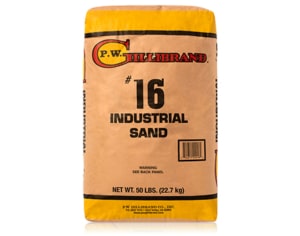
#16 Sand

Silica sand is made from quartz that has been eroded by wind and water. This material is used in many construction applications besides artificial turf infill. It is generally the least expensive type of infill material. However, there are some downsides to this type of infill.

Rubber

Rubber crumbs, usually made from old tires and other recycled products, is a popular  artificial turf infill that is installed for in sports applications.

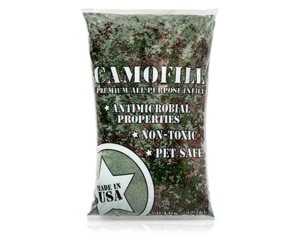
CamoFill

CamoFill

A non-rubber alternative that solves the “shiny turf” look some rubber and sand infills create. CamoFill is built to look more like natural soil between the blades while still holding up to regular wear, a good middle ground for homeowners who want performance without the artificial sheen.

Durafill Sand

An engineered sand infill designed to run cooler than standard sand and stay porous for reliable drainage. It resists bacteria growth better than regular silica sand and helps control pet odor and residue buildup. The only real downside is cost.

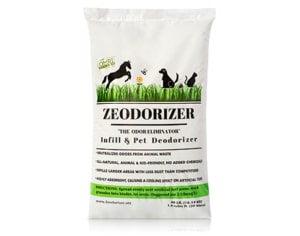
Zeodorizer (Odor-Control Infill)

ZeoDorizer

If pet odor is the main concern, Zeodorizer is an all-natural infill built specifically to neutralize it. It’s safe for kids and pets and requires no ongoing cleanup or reapplication, making it the strongest option for households with dogs.


How Much Infill Do You Need?

Coverage depends on the specific product and your turf’s pile height, so always check the product page before ordering. As a general rule, expect somewhere in the range of 1 to 2 pounds per square foot, with pet and high-traffic areas often needing more than a standard residential lawn.

Which Infill Is Right for You?

  • Standard residential lawn: Silica sand #16 for an affordable, reliable base
  • Homes with dogs: Zeodorizer, paired with a base layer of sand for support
  • Kids’ play areas: Durafill sand for a cooler, softer surface
  • Sports fields and high-traffic zones: Rubber for shock absorption and durability
  • Want a more natural look: CamoFill instead of standard sand or rubber

Not sure which combination fits your yard? Contact our team and we’ll help you match infill to your artificial grass and how you plan to use it.

FAQs

What is the best infill for artificial grass?

It depends on how the space is used. Silica sand works well for standard residential lawns, rubber suits sports fields and high-traffic areas, and Zeodorizer is best for homes with pets due to its odor control.

Do I need infill for artificial grass?

Yes, in almost every case. Infill keeps turf blades upright, improves drainage, adds ballast against wind, and extends the life of the turf.

How much infill do I need?

Coverage depends on the specific product and your turf’s pile height, generally in the range of 1 to 2 pounds per square foot. Check the product page for exact coverage guidance before ordering.

What’s the best infill for pet odor?

Zeodorizer is designed specifically for this. It’s an all-natural infill that neutralizes pet odor and requires no reapplication.

Artificial grass for dogs: The Ultimate Pet turf Buyer’s Guide

Artificial turf is one of the easiest and most cost-efficient ways to keep your lawn green and clean all year round, with minimal maintenance and yard work. As a dog owner though, you might think that fake grass and pets don’t mix. This is not the case, however. In fact, in most cases, an artificial turf lawn is the ideal yard for you and your dog, with less of the chores and potential problems you can have to deal with when you have a regular grass lawn.

Is Artificial Grass Pet Friendly?

If you are a dog owner, one of the first questions on your mind when considering artificial turf is how the switch to fake grass will affect your canine companion. The short answer is that although synthetic grass is not suitable for every dog, for most canines artificial turf can be just as safe, hygienic, and comfortable as real grass, depending on your dog and the type of synthetic grass you install.

Real Grass vs Fake Grass For Dogs

Fake grass has a lot of benefits over real grass for dog owners, but for some dogs, real grass has its advantages too.

Benefits of Fake Grass for Dogs

  • Easy to Clean

It is easy to clean solid waste off the fake grass, and with the right infill and artificial grass membrane, urine will soak through without leaving an odor. Not all types of artificial grass work this way though, so make sure to ask your artificial grass installer about the right options for dog owners.

  • No Pesticides

You don’t need to worry about pesticides affecting your dog’s health with fake grass, as it prevents weed growth without the use of pesticides.

  • Fewer Garden Pests

Real grass encourages many insects and small critters to visit your yard, potentially infesting your dog’s fur and being brought into your home, such as fleas. With a fake grass yard, these creatures have little reason to stick around in your yard.

Artificial grass for dogs

Benefits of Real Grass for Dogs

  • Safe to Eat

Some dogs like to chew and eat vegetation such as grass, and they could mistake fake grass for the real thing, and attempt to eat it. Fake grass is much more tough and durable so it may not be successful, but it can still present danger in these cases.

  • Some Dogs Like to Dig

While some dog owners try to prevent their dogs from digging up the lawn, this is something that some dogs like to do, and you might be happy to let your pooch dig and bury their treasures in your yard. Fake grass will not allow your dog to do this and might become damaged if they try. If your dog is a digger, consider retaining a dirt area in your yard so they can still dig without damaging the artificial turf.

Why Should you Install Artificial Grass for Dogs?

Las Vegas Artificial grass is very low maintenance compared to real grass, as well as much more durable. If you have several dogs or just one highly energetic pup, they can easily wear out bare patches into a real grass lawn through everyday play. Artificial grass holds up to this kind of treatment much better. It is also much more hygienic when your pet does its business, as waste can easily be removed and washed away, and you don’t need to worry about contaminating the soil or vegetation over time.

Why your Dog will Love Artificial Grass

Fake grass can make life more convenient for you as a dog owner, but your dog has plenty of reasons to love it too.

For starters, artificial turf won’t leave your dog covered in dirt and grass when they play outside, which means you won’t need to bathe them after they’ve been rolling around in the yard.

It also makes toilet time less stressful for your dog as well as you, especially if you don’t let your dog go on the lawn for fear of it ruining the turf. Since artificial turf is so much easier to keep clean, you can let them go anywhere without it damaging your synthetic grass.

How it will Make the Pet Owner’s Job Easier?

As a pet owner, artificial turf can greatly reduce the amount of work you need to put into keeping your yard a clean and inviting environment for your pets, family, and guests, and it’s not just that it makes cleaning up after your pet easier.

To maintain a synthetic grass lawn, all you really need to do most of the time is give it a quick spray with the hose once a week, and sweep it about once a month. You don’t need to worry about your dog wearing out the turf, and it completely eliminates many of the more annoying yard chores like aerating the soil and weeding the lawn.

How Much Does Fake Grass for Dogs Cost?

Most artificial turf products that are suitable for dogs cost around $1 to $2 per square foot of synthetic grass.

artificial turf for dogs

What To Look For When Buying Artificial Turf For Dogs

If you are installing artificial turf in your yard and you have a dog that will be using the lawn to relieve itself, make sure to avoid synthetic grass products with a latex backing. These can retain urine to create a lingering bad odor in the area your dog uses. The backing should also be permeable so that liquids can drain out into the sub-base material under the grass, which should be a porous material like granite or limestone chippings that allow liquids to drain.

Shorter pile heights of around 1.5 inches or less tend to be a little more durable when it comes to withstanding the wear and tear of your dog running around and digging their claws into the grass as they play. Shorter pile heights also make it harder and less tempting for your dog to bite at and attempt to chew the blades of grass.

What’s the Best Artificial Grass for Dogs?

Our Gold 77 range is a great artificial grass option for dog owners, as it features our shortest pile height beside the Putt Pro putting greens. Besides making the grass safer for your dog and also more durable, this also makes cleaning up after your pet easier, as shorter blades of grass mean things don’t get matted or embedded as easily.

All Festival Turf synthetic grass products are available with various non-latex backings, and we can use a range of infill materials according to the situation, including materials that are chosen specifically to enable better drainage and prevent pet odors.

Getting an artificial turf lawn as a dog owner can make a lot of sense, as it significantly reduces your yard work while keeping your lawn looking great, it can be more hygienic and easier to clean, and stands up well for the activities of even the most energetic of dogs. Owning a dog does add a few extra considerations to the buying process, however. If you need any help or advice in deciding on the best artificial turf option for both you and your pet, don’t hesitate to contact us and we’ll be happy to answer any questions you might have.