What is Hardscaping? Hardscaping with Artificial Grass

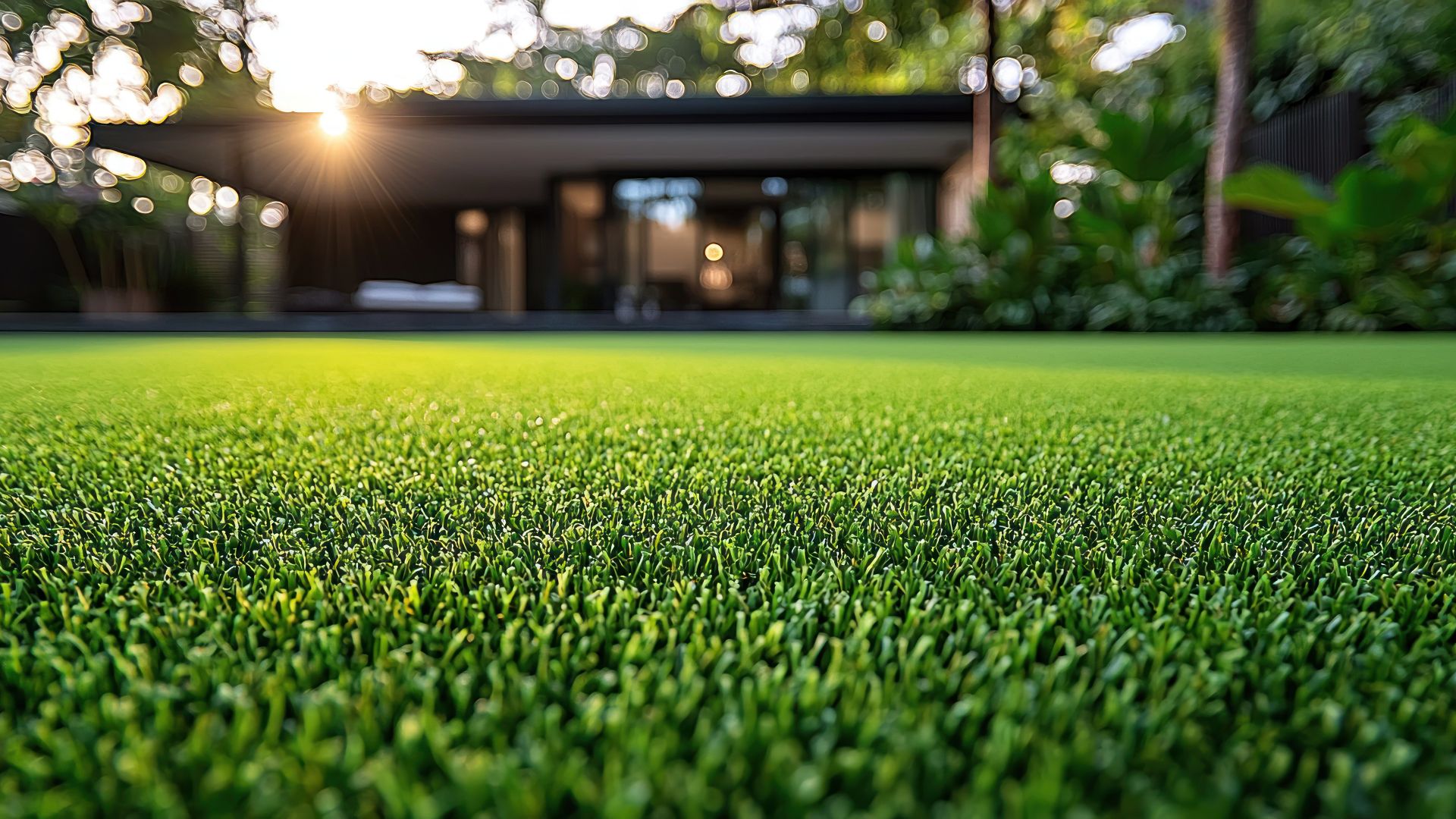
Hardscaping is the built, non-living part of your yard: patios, walkways, retaining walls, and fire pits. Pair it with artificial grass, and you get the polished, put-together look of a professionally designed backyard without the weekend upkeep. The grass softens all that stone and concrete, and the hardscape gives the grass clean, defined edges. Together, they keep your outdoor space looking sharp with almost no ongoing effort.

What is Hardscaping?

Essentially, hardscaping is the built part of the yard. What is hardscape? It refers to anything permanent that doesn’t grow. Specifically, this includes patios, walkways, retaining walls, and the fire pit where you hang out with friends. Consequently, these hardscape elements give your property shape. They also create distinct zones for cooking, eating, and relaxing.

Good hardscaping design sets the flow of your outdoor living area. It makes the backyard feel like a series of rooms rather than just a patch of ground with plants. Meanwhile, softscaping features like shrubs and grass fill in around these man-made structures. Ultimately, the hardscape holds everything together.

Differences Between Hardscaping and Landscaping

In broad terms, landscape design covers everything you do to improve your yard, from planting trees to installing a paver patio. Hardscaping is simply the non-living half of that equation.

A full landscape design has both parts. Think of a stone patio with plants around it. If you’re unsure what is hardscape, simply look for the non-living elements. Hardscape means permanent structures. On the other hand, softscape means plants that change with the seasons.

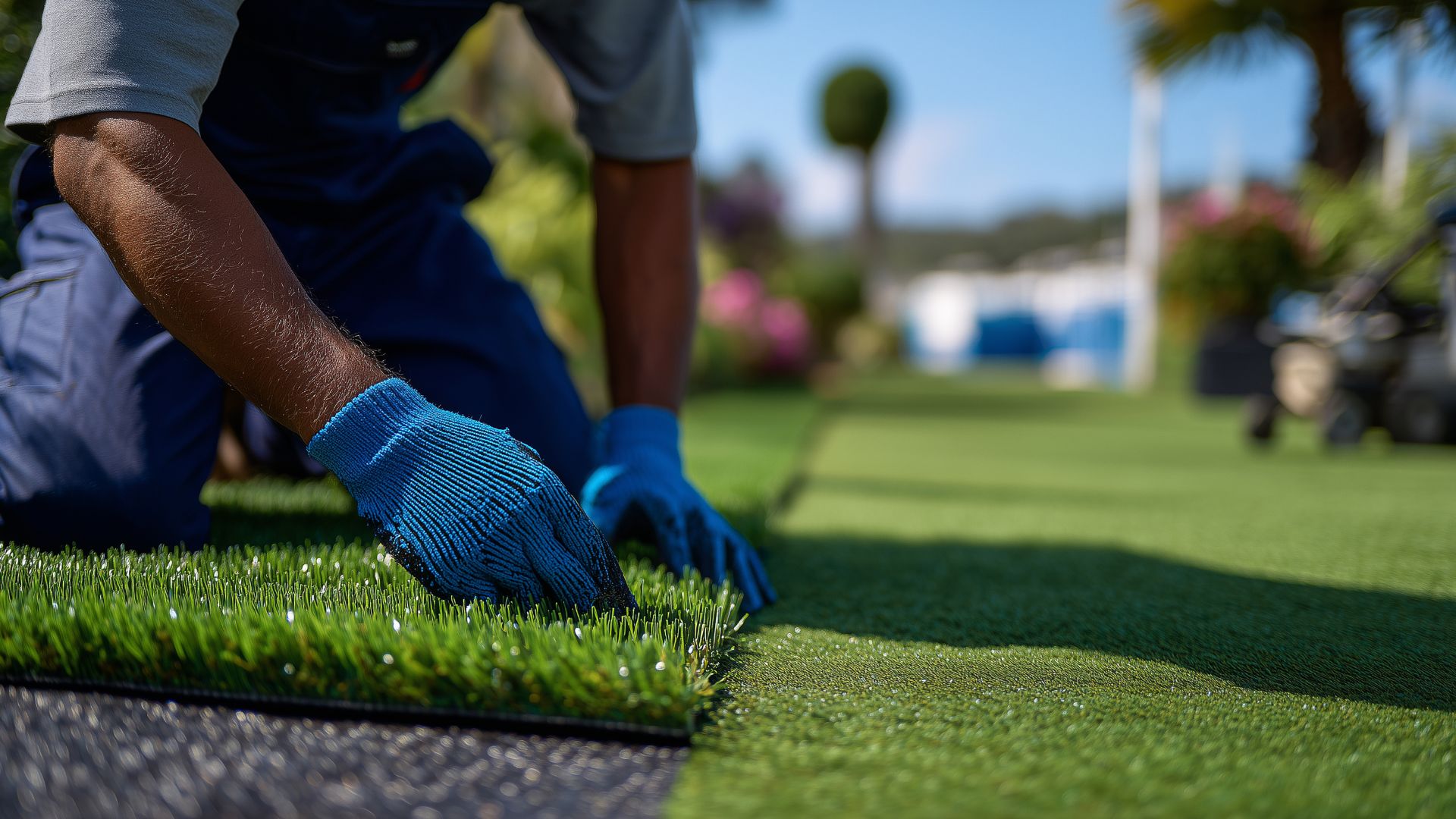
Artificial turf installation as part of a hardscaping design

Types of Hardscaping

Generally, hardscaping features fall into groups based on their purpose. For instance, flat surfaces include patios, walkways, driveways, and decks. These create the floors of the living space and handle foot traffic. Regarding composition, hardscaping materials range from poured concrete and brick pavers to natural flagstone and porcelain tiles.

In contrast, vertical pieces include retaining walls, fences, and privacy screens. They serve to mark boundaries, manage slopes, and separate different areas.

Additionally, special features make your yard useful for certain activities. An outdoor kitchen with built-in counters works great for cooking, while an outdoor fireplace keeps you warm on cool nights. Perhaps a pergola provides shade. These become the focal point of hardscaping projects because they’re where people gather.

Finally, water features like fountains and ponds add movement and sound. They count as hardscape because the basins, pumps, and stonework are all non-living parts.

Concrete edging and walkway showcasing hardscaping features

Benefits of Hardscaping

Smart hardscaping does more than look nice; it solves real problems and adds real value to the property.

First and foremost, the biggest win is more usable space. For example, that muddy corner becomes a working patio, or a steep slope turns into tiered garden beds. Now you have square footage you’ll actually use.

Furthermore, drainage gets better, too. Smart hardscaping sends water away from your home’s base. Permeable pavers and proper grading handle rain without making soggy spots.

In addition, long-term care drops a lot. You won’t mow a stone patio or fertilize a concrete walkway. Although hardscaping costs more at first, the ongoing work is small.

Finally, your home’s value goes up as well. Homes with pro hardscape landscaping often get back 20% to 30% of what they spent and see increased marketability. Features like outdoor kitchens may count as extra living space. Understanding what hardscaping is helps you spend smarter on your property.

Why Combine Hardscaping with Artificial Grass?

Artificial grass sits in a unique spot. It’s a manufactured product, not a living plant, yet it plays the visual role of softscape. It gives you the green and texture that balance all that stone and concrete. Because of this visual balance, artificial grass products are great partners for hardscaping.

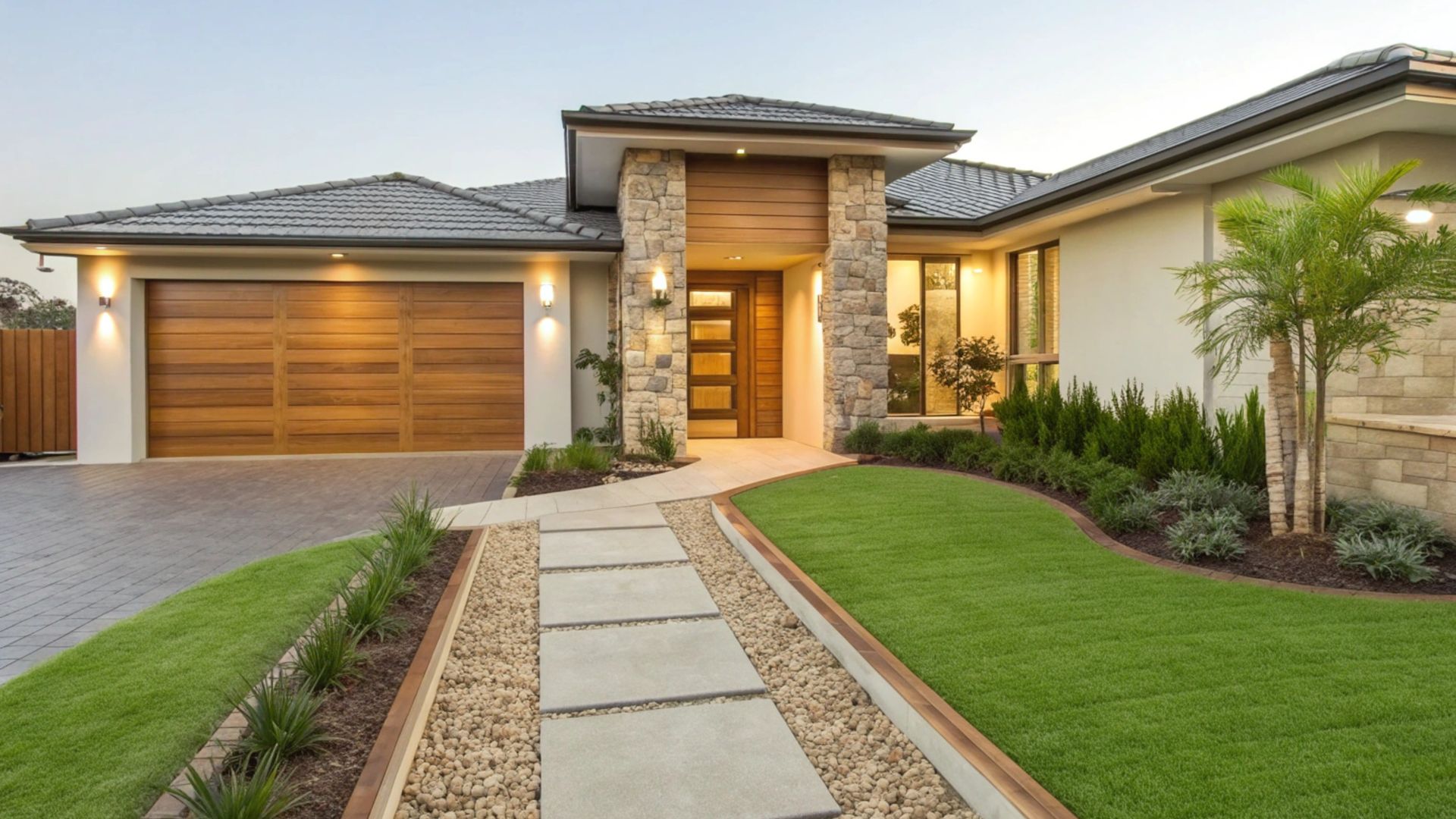
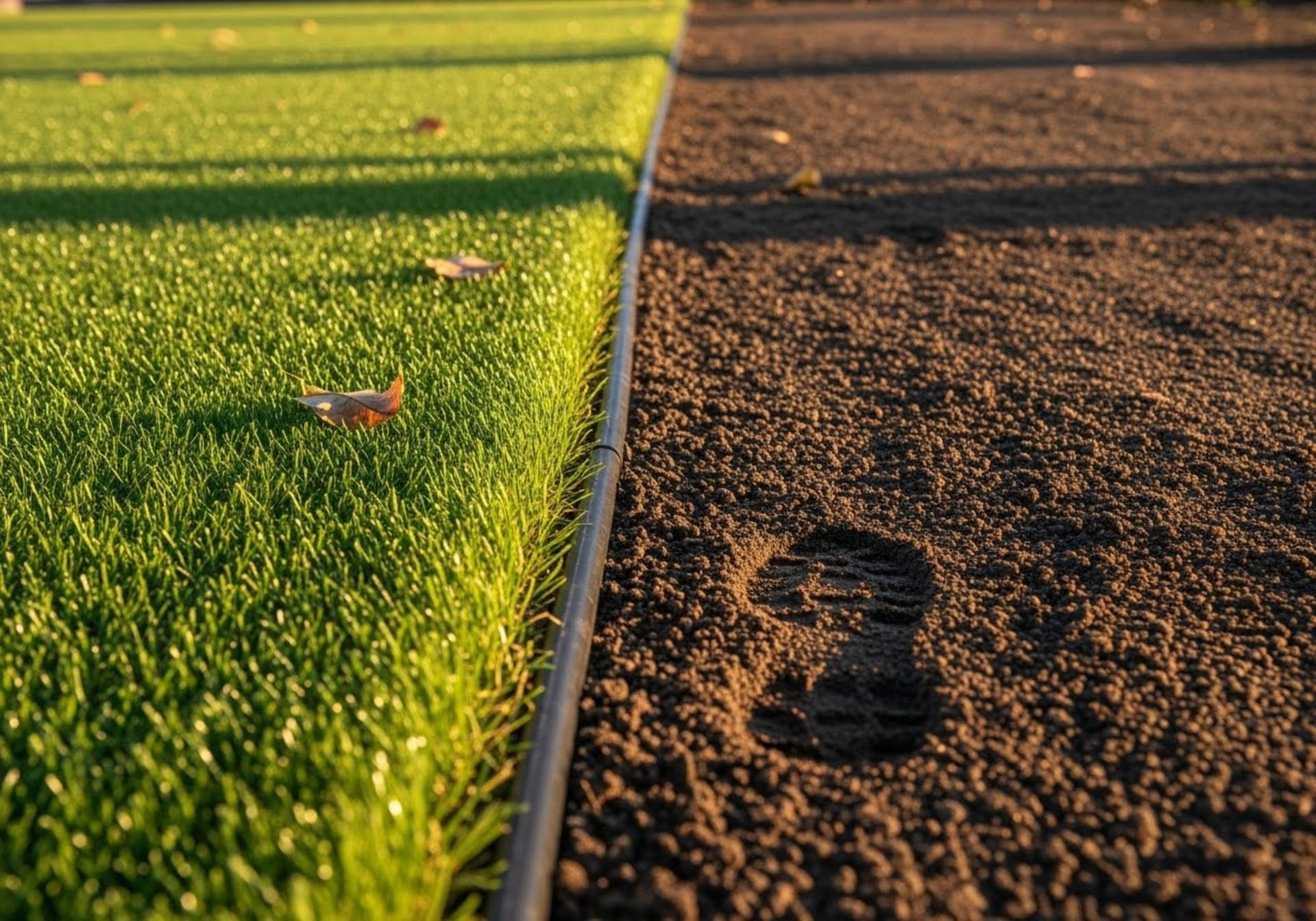
The mix works because each part covers the other’s weak points. Large areas of hardscape can feel cold and bare. Synthetic grass softens the look without needing water or mowing. At the same time, hardscape borders give fake grass the clean, defined edging it needs to look intentional rather than dropped into place. That’s what stops the “carpet dropped in the yard” look that bad installs can have.

There’s also a strength match. Modern fake grass handles heavy foot traffic and harsh weather. It won’t make mud that tracks onto your patio or grow unevenly near your fire pit. Both last for years with little upkeep.

artificial grass maintenance brushing hardscape border

Popular Hardscape Elements to Pair with Artificial Grass

Popular Hardscape Elements to Pair with Artificial Grass

The best hardscape landscaping designs use smart pairings between structures and turf. Here are some of the pairings homeowners ask for most.

Geometric Grid Patterns: Alternating strips or squares of turf and pavers in a grid or checkerboard layout turns a plain patio or driveway into a design feature rather than just a walking surface. This look shows up most in modern courtyards and driveways, where the turf strips also help with drainage between paved sections.

Poolside Retreats: Fake grass handles chlorine splash without fading, gives good grip when wet, and keeps debris out of the water, which makes it a natural fit for pool surrounds. For people looking at artificial grass in Dallas, pool surrounds rank among the top uses. Turf can get warm in direct summer sun, so pairing it with shade or light-colored pavers helps keep the deck comfortable, and choosing artificial grass around pool areas built for that environment makes the whole setup lower-maintenance from the start.

Zen Garden Retreats: Large stepping stones, gravel, and a lush stretch of turf create a minimalist, meditative space without the upkeep of a real lawn. Adding a small water feature or bamboo accents nearby completes the look while keeping maintenance low.

Garden Pathways: Turf laid between stepping stones or pavers softens the look of a hardscape path and creates a clean visual transition between different zones of the yard, all without adding another area you have to water or mow.

Fire Pit Lounges: Turf and stone work well together here as long as you keep at least 10 feet of non-flammable hardscape between the flames and the synthetic fibers. The grass gives the surrounding seating area a soft, comfortable feel while the stone handles the heat.

Outdoor Dining Zones: Bordering a dining area or outdoor kitchen with turf softens the hard edge of concrete or stone countertops, and it makes cleanup easier than worrying about stains on a natural lawn.

Terraced Slopes: Retaining wall terraces paired with turf work well on sloped lots where mowing real grass would be difficult or unsafe, turning an awkward grade into usable, level space.

Installing turf along pavers, showing what is hardscape

Maintenance Tips

Keeping a hardscape-and-turf yard looking good takes less work than normal landscaping. However, it’s not zero work. When you know the difference between hardscape and living plants, you can adjust the care for each.

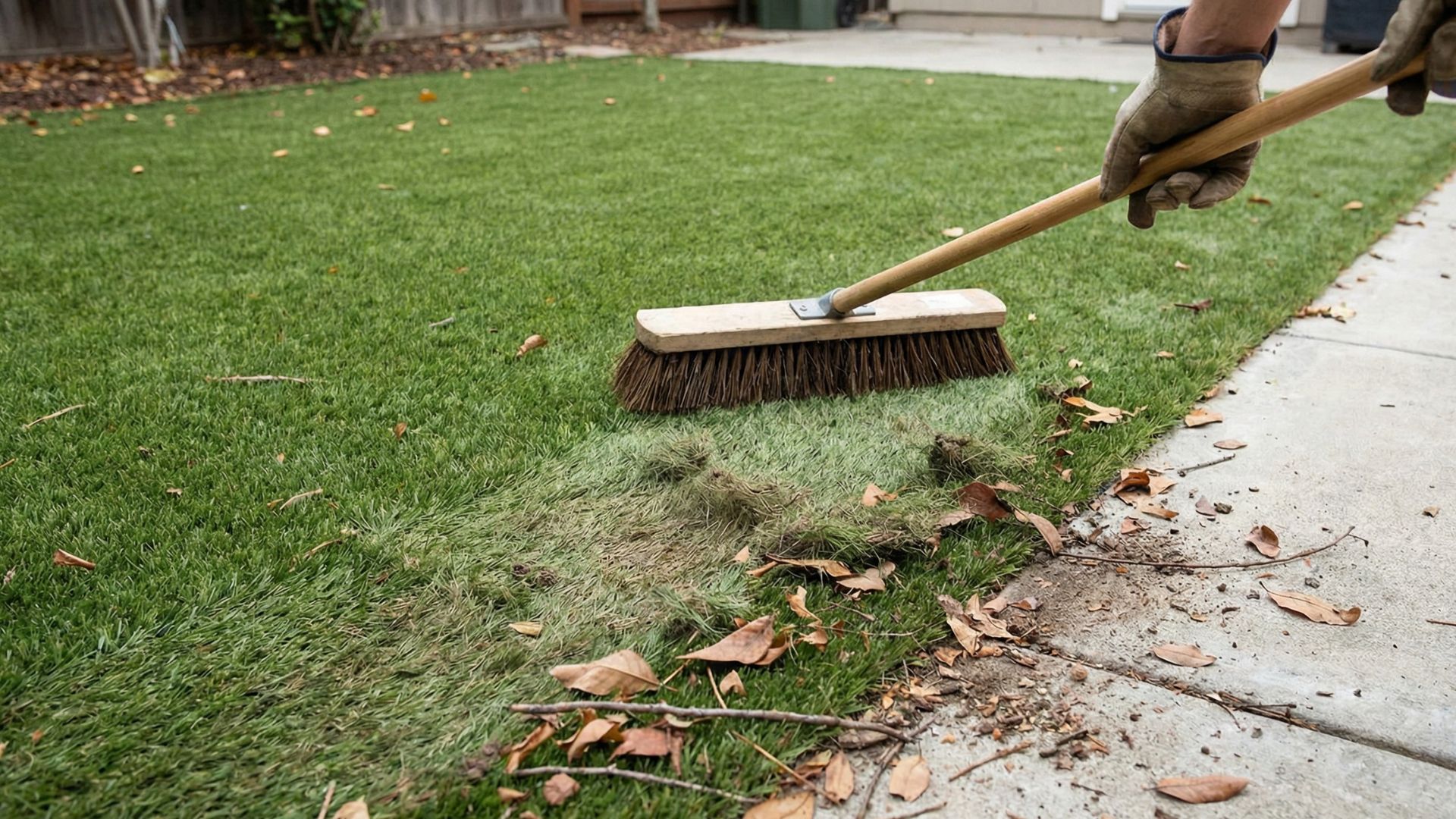
First, stone and concrete need a rinse a few times a year. You should also reseal them every two to three years. Other than that, just sweep off leaves and debris so stains don’t set.

Similarly, turf needs some care too. A quick brush in high-traffic spots keeps fibers from flattening. Rinse now and then clear dust and pollen. Furthermore, pet owners should have enzyme cleaners ready for odor control. Turf doesn’t break down waste like natural soil does.

Build a Yard That Works Year-Round

A yard that balances hardscape elements with quality turf gives you structure, strength, and color. You get all this without the heavy care of normal outdoor living. Now that you know what hardscaping is and how it pairs with synthetic grass, you can build an outdoor space that fits your goals.

Frequently Asked Questions

What is hardscaping in landscaping?

Hardscaping refers to the non-living, permanent elements of a yard, things like patios, walkways, retaining walls, and fire pits. It’s the built structure of a landscape design, while softscaping covers the living parts like plants, shrubs, and grass.

Can you use artificial grass for hardscaping projects?

Yes, artificial grass isn’t hardscape itself, since it’s not a permanent structure, but it pairs naturally with hardscape elements like pavers, stone patios, and retaining walls to soften the look and break up large paved areas.

Does hardscaping increase home value?

Homes with professionally designed hardscaping often recoup 20 to 30 percent of what was spent on the project and see increased marketability, especially when features like outdoor kitchens or patios add usable living space.

What’s the difference between hardscaping and landscaping?

Landscaping is the broader term covering everything done to improve a yard, both living and non-living elements. Hardscaping specifically refers to the non-living, permanent structures within that larger landscape design.

Is artificial grass safe near a fire pit?

Artificial grass directly next to fire pit is not safe. Keep at least 10 feet of non-flammable hardscape, like stone or pavers, between any open flame and synthetic turf fibers, since direct heat can melt or scorch the material.

How do you keep artificial grass cool near pavers or a patio?

Pairing turf with light-colored pavers or adding shade nearby helps keep the surface temperature down, since dark hardscape materials can radiate heat onto the grass in direct summer sun.

What is Denier? Denier and Pet-Friendly Artificial Turf

Have you ever stared at the specifications for artificial grass and felt like the terminology is not familiar? Terms like “pile height,” “face weight,” and “denier” can make the selection look complex. Ultimately, most people simply want a beautiful, durable lawn that the dog can’t turn into a mud pit.

So, what is a denier, and why does it matter so much for a pet-friendly yard? Understanding this can help you choose a turf that looks great and stands up to years of fetch, zoomies, and sunbathing.

High denier turf

Introduction to Artificial Grass Specifications

When looking for the perfect lawn, technical terms can feel overwhelming. However, these numbers are your roadmap to finding the right fit for your home.

When comparing artificial turf, you’ll face a spec sheet full of terms that describe the durability, feel, and look of the final product. Those are tools to help in making a confident choice.

Denier and Pet-Friendly Artificial Turf

What is Denier?

At its heart, denier is a simple unit of measurement. It comes from the textile world and tells the weight or mass of a fiber. The official definition is based on a single strand of silk.

A 9,000-meter-long strand of silk weighs about one gram, which makes it 1 denier. If a 9,000-meter strand of turf fiber weighs 8,000 grams, it has a denier of 8,000.

Think of it like the difference between a thin sewing thread and a thick, sturdy rope. The rope has more mass, so it has a higher denier. In artificial turf, denier measures the weight of the individual threads that make up the grass blades. While it relates to the thickness of individual blades, it’s a measure of substance and heft. A higher denier means a heavier, more substantial blade.

 Denier in Artificial Turf

What is Denier’s Role in Pet-Friendly Artificial Grass?

Now, how does this apply to your four-legged friend? Think about how your dog really plays. The happy dance for a treat, the sudden sprints across the lawn, the skids to a stop when you grab a toy. All these activities directly influence the grass blades.

Flimsy blades get crushed and stay flat, creating those sad-looking paths in the yard. This is where a high denier makes all the difference. It gives each blade the backbone to stand up to that activity, bounce back, and look great day after day. That’s why high-performance artificial grass products are built with a high primary blade denier to handle years of play.

Common Denier Ratings in Turf Products

So, what’s the key specification? A higher denier means a more robust, thicker fiber that stands up to wear and tear. While denier measures grams per 9,000 meters, the turf industry commonly uses Dtex (decitex), which measures grams per 10,000 meters.

For residential, pet-friendly turf, look for ratings of 8,800 Dtex or higher, which offer strong durability for high-traffic and pet areas while balancing comfort. The higher the rating, the better your lawn will bounce back from daily play.

Researching denier outdoors

Denier vs. Other Turf Metrics

It’s easy to confuse denier with other terms on the spec sheet, as they measure different things. Understanding the difference helps clarify what denier is in a practical sense and prevents a disappointing purchase.

Denier vs. Face Weight

This is the most common point of confusion.

  • Denier shows the robustness of a single grass blade.
  • Face Weight shows the total weight of all the grass fibers in a square yard (not including the backing). It’s a measure of overall density.

A turf can have a high denier (strong blades) but a low face weight if the blades are stitched far apart. The lawn would feel sparse. Conversely, a turf could have a low denier (weak blades) but a high face weight if they are packed tightly together. That lawn might feel dense at first, but it would flatten quickly under traffic.

For a truly durable, pet-friendly lawn, you need both: high-denier blades and a high face weight.

Denier vs. Pile Height

Pile height is simply the length of the grass blades. It’s tempting to think that longer is more lush and therefore better, but that’s not always true for pets.

A shorter pile height is often better for two reasons:

  1. It’s easier to clean. Solid waste is simpler to pick up off shorter grass.
  2. It’s more resilient. Shorter blades stand up more easily to traffic and are less likely to get matted down.

The ideal combination for a pet lawn is a high denier for strength, a high face weight for density, and a shorter pile height for resilience and easy maintenance. Getting this combination right is critical for homeowners in demanding climates; choosing artificial grass in Phoenix means selecting a system that can handle intense sun and constant use.

High-denier turf surface

Your Lawn, Upgraded

Understanding what a denier is gives you the power to spot quality turf. It’s the measurement of blade strength, and for pet-friendly residential yards, 8,800 or higher Dtex is your target. In addition, remember the complete picture: high denier for strong blades, high face weight for density, shorter pile height for easy maintenance. All three working together create a lawn that lasts.

When you’re ready to buy, ask for spec sheets. Compare the numbers across all measurements and choose turf built for durability, not just curb appeal.

What is Artificial Turf Made of?

You know the feeling. It’s Saturday morning, the sun is shining, but your natural lawn has other plans for you. It needs mowing. It needs watering. It has that strange, patchy spot that just will not cooperate.

Sometimes it feels like your yard owns your weekends. But what if you could flip that script? Imagine a lawn that is always ready for a barbecue, always soft enough for the kids to tumble on, and always perfectly green. That is the simple promise behind modern synthetic turf. It is why so many people have switched to artificial turf to get their weekends back.

It’s smart to be curious, though. The simple answer to what artificial turf is made of is a system of engineered layers. It is a combination of soft, durable fibers for the blades, a super-strong backing to hold them in place, and a special infill for weight and cushion. When these parts are made with care, they come together to create high-quality artificial turf.

artificial turf composition

Primary Components of Artificial Turf

A beautiful, long-lasting lawn is possible due to artificial turf composition – a team of four key players working together. When you understand how they support each other, you can see what makes a great turf system.

  • Synthetic Grass Fibers (Blades): It all starts with the part you see and love. The soft, green blades give the lawn its color and texture. This is what gives that wonderful, soft-under-your-feet feeling, just like a perfect natural grass lawn.
  • Thatch Layer: Tucked down between the tall blades is a shorter, curly layer of fibers. That is the thatch. It is what gives a great lawn that full, lush look instead of looking thin. It acts as a supportive cushion, helping the blades stand up straight.
  • Backing System: This is the tough, unseen foundation that holds your entire lawn together. The grass fibers are stitched into a strong fabric, which is then coated with a powerful adhesive. This gives the turf its strength and makes sure the blades stay put, no matter what.
  • Infill Material: After the synthetic grass is rolled out, a fine, sand-like material is spread all over. This is the infill. It settles down between the blades, acting as a weight to keep your lawn in place. It also provides a soft, cushioned feel when you walk on it.

choosing artificial grass

Detailed Breakdown of Turf Blade Materials

How your new lawn feels, how it bounces back, and how it looks in the sunlight all come down to the tiny synthetic fibers that make up the blades. Your choice comes down to three main materials.

  • Polyethylene: If you dream of a lawn that invites you to kick off your shoes, this is the material for you. It is all about that gentle, realistic feel that makes a yard feel like home. This is the perfect choice for residential lawns where comfort for your family is the most important thing.
  • Nylon: Then there are the yards that see a lot more action. For the lawn that is the go-to spot for neighborhood games and endless cartwheels, you need something tougher. That is where nylon comes in. It is the strongest, most resilient fiber. Its toughness makes it the standard for a professional sports field and other high-traffic turf fields where durability is everything.
  • Polypropylene: Think of this durable material as the support crew. You will usually find this trusty material used as the thatch layer, nestled down below. It creates a supportive cushion at the base that helps the main blades look full and dense. Seeing how these materials work together helps you choose from the best artificial grass products.

what is artificial turf made of

The Manufacturing Process

How does a simple plastic pellet become the lawn you have always wanted? The manufacturing process all starts with a recipe for a lawn that is built to last.

Tiny pellets of the right polymer get melted down with two crucial ingredients: rich green color and a powerful, UV-resistant additive. This protection is baked right in, so your lawn’s beautiful color remains protected from the sun throughout its lifetime. This hot mixture is then pushed through a steel plate with tiny holes shaped just like blades of grass.

Next, these fresh fibers are loaded onto a huge machine that works like a giant sewing needle. It carefully stitches the blades and thatch into the primary backing. The final step is to lock it all in place. The turf gets a heavy coat of a super-strong adhesive on its back, which makes it incredibly durable. This process ensures that what artificial turf is made of is “quality from the ground up.”

what is artificial turf made out of

Environmental Considerations

You want a lawn that is safe for your family, your pets, and the planet. So let’s talk honestly about the tough questions. Feeling completely confident in your choice is important.

You may have heard discussions about crumb rubber infill, which comes from recycled tires. While many studies have looked for links to toxic chemicals, the most complete research shows the risk to human health is very low. For total peace of mind, there are now many wonderful alternatives, like coated sand or all-natural cork, which provide a safe surface for playing fields and playgrounds.

Another topic has been PFAS, sometimes called “forever chemicals.” In the past, these were used in making some plastics. The good news is that the turf industry has already moved on. Reputable manufacturers now make their products without any added PFAS, so you can choose a lawn that is certified to be safe.

what is turf made of

Why It Matters: Quality and Longevity

You want your new lawn to look just as good in year seven as it does on day one. Understanding the full artificial turf composition helps you see why quality is so important. A well-made lawn is an investment that pays you back with beauty, fun, and free time for years to come.

The most important thing to look for is the built-in sunscreen. A lawn with great UV protection will hold its beautiful color through years of harsh sun and tough weather conditions. Without it, the sun’s rays can make the fibers brittle and fade the color. That is the last thing you want for your beautiful yard. A strong backing is just as vital for preventing wrinkles and keeping your lawn stable.

Choosing artificial grass is about matching the product to your life. A home with a playful dog needs a lawn with a backing that drains quickly to prevent odors. For those in sunny places, like homeowners looking for artificial grass in San Diego, selecting a product built to beat the heat is the smartest move you can make.

Your Perfect Lawn is in the Details

So, what is artificial turf made of? It is a system of soft fibers, a durable backing, and a stabilizing infill, all made from smart material choices. Unlike a real grass lawn, always requiring watering and work, a quality turf system is designed for living, not for labor. And now you know exactly what to look for.

How to Get Realistic Artificial Grass

A perfect green lawn that needs no mowing or watering sounds ideal. But lots of homeowners hesitate because they think fake grass looks cheap or plastic. Modern artificial grass has come a long way, though. When you pick the right product, even your neighbors might not notice it’s fake. The secret is knowing what to look for to get realistic artificial grass for your home.

most realistic artificial grass

What is Realistic Artificial Grass?

A great fake lawn isn’t just a green carpet. Good turf mimics what you’d see in any healthy yard. Instead of one flat color, it mixes different shades of green. The best kinds also have short, curly brown fibers at the base. That’s called thatch, and real lawns have those little dead bits at the bottom of natural grass, too.

Realistic-looking artificial grass nails these small details. High-quality turf uses blades in different lengths and shapes, so nothing looks too uniform or perfect. Walk across a quality artificial lawn, and your feet sink in a bit, just like real grass. Mix the right colors, textures, and feel together, and the lawn looks like it actually grew there.

realistic looking artificial grass

Key Features to Look for in Realistic Artificial Grass

A few key things separate a lawn that looks fake from one that will impress your neighbors. First, look at the color and thatch. The most realistic artificial grass will have a few shades of green, like a deep green mixed with a lighter olive green. A thick brown thatch layer is the most important part. It makes the lawn look deep and real.

Next, check the pile height, which just means how tall the grass blades are. Taller blades of about 1.5 to 2 inches look very lush, but they can get pushed down in areas with a lot of foot traffic. Shorter blades are tougher and are great for play areas. Check the lawn’s density too. More blades packed into each square foot means the turf feels softer when you walk on it and wears better over time. Get these features right, and you’ll end up with a beautiful realistic realistic-looking artificial grass lawn.

pet turf

Materials Matter – Choose the Right Type of Synthetic Fiber

The plastic used to make synthetic grass blades matters more than most people realize. Different materials change how your lawn looks, how it feels underfoot, and how many years it lasts. There are three main types.

  1. Polyethylene material is the most popular choice for realistic artificial grass. It’s soft to the touch, has a natural green color, and is strong enough for most yards. It gives you the best mix of a real look and a soft feel.
  2. Nylon is the strongest material. It bounces back very well after being stepped on. This makes it a great choice for busy areas, pet turf, or sports fields. The only downsides are that nylon feels a bit stiff and costs more. It’s often used for special projects like backyard putting greens.
  3. Polypropylene is the cheapest material, but it’s not very strong. It’s not a good choice for a whole lawn. But its texture is perfect for the brown thatch that’s mixed in with the stronger green blades. Since the material directly impacts the look, feel, and durability, this choice is a critical step in selecting the right artificial turf for your home.

quality artificial

Installation Tips for a Natural Look

You could buy the most realistic artificial grass available, but it’ll look fake if it’s not installed the right way. A professional installation is key to getting a natural look. The process starts with the ground. A good crew will prepare the area by building a solid base of crushed rock. This important step makes sure the ground is flat and that water can drain away easily.

When they lay the turf down, skilled installers know how to hide the lines where two pieces meet, making sure the seams are invisible. They also stretch the turf so there are no wrinkles and tack down the edges for a clean look. For a team that knows how to get a perfect finish, you can find experts in artificial grass in San Bernardino.

pile height

Maintenance to Keep It Looking Real

A realistic artificial lawn is low maintenance, but it does need some care. A little work will keep your grass looking great for many years. The most important job is to brush the grass blades every so often. In spots where people walk a lot, the blades can start to lean over. Use a stiff broom with plastic bristles to brush the blades back up.

You should also rinse your lawn with a garden hose from time to time. This washes off dust and pollen. If leaves fall on the lawn, a leaf blower or a plastic rake will clean them up quickly. This simple care routine helps your synthetic turf stay beautiful. Many modern artificial grass products are made to make this easy.

Get Your Realistic Artificial Grass Today

A beautiful lawn that looks like it grew there is possible with today’s best turf. By looking for the right colors, a thick thatch, and a good material, you can find a product that’s very convincing. A professional installation is the final step to getting it right. With a smart choice and a little care, you can have a perfect, realistic artificial grass yard for years.

Poly Board Edging for Artificial Turf: How to Install one?

Poly board edging is a bendable plastic border that holds your artificial turf’s base materials in place and keeps weeds from creeping in along the perimeter. Most homeowners focus on choosing the perfect grass texture and color, but they forget about the one thing that holds everything together underneath. Skip proper edging, and your base materials spread out, weeds creep in, and your lawn develops bumps and dips over time. Learning the proper installation steps protects your investment and keeps your yard looking sharp for years.

polyboard edging for artificial grass

Key Takeaways

  • Poly board edging keeps your turf’s base materials from spreading and stops weeds from creeping in from nearby beds.
  • Stakes need to sit every 12 to 18 inches on straight runs, tighter on curves, or the edging can bend and fail over time.
  • Quality poly board lasts 10 to 20 years with almost no maintenance beyond an annual check each spring.

What is Poly Board Edging?

Poly board edging is a bendable plastic strip that creates borders around lawns and gardens. People also call it a bender board. These strips usually measure about 1 inch thick and 4 inches tall. You can buy them in different lengths, with 20-foot sections being the most common size.

Different types exist depending on what you need. Some boards are made from recycled plastic, while others mix plastic with wood fibers for extra strength. A few versions even have a wood core wrapped in protective plastic. Each kind handles weather and soil differently, so pick one that matches your local climate.

what is polyboard

Why Use Poly Board Edging for Artificial Turf?

The edging holds your turf’s foundation in place. Under your artificial turf, there’s crushed rock and sand that help with drainage and keep things stable. Without proper edging, this base material slowly spreads out and washes away. Your lawn starts sinking and looking uneven.

Poly board lawn edging stops weeds from growing into your lawn from nearby garden beds. It draws a sharp line between your lawn and things like walkways or flower beds, wood edging rots, and metal edging rusts. Quality poly board lasts 10 to 20 years and barely needs any attention. That clean edge makes your lawn look like a pro installed it instead of looking like you winged it over a weekend.

poly board landscape edging

Poly Board vs. Other Edging Types

Poly board isn’t the only edging option, but it’s the one most contractors reach for first. Here’s how it stacks up.

Edging Type Pros Cons Typical Lifespan
Poly board / bender board Bends for curves, weather-resistant, won’t rot or rust Costs more than basic metal edging 10-20 years
Aluminum strip edging Low profile, nearly invisible once installed Can bend out of shape under pressure, less rigid on long straight runs 15-20 years
Wood edging Cheapest upfront, natural look Rots, warps, and needs replacing far sooner in wet or humid climates 3-7 years

Tools and Materials You’ll Need for Poly Board Landscape Edging

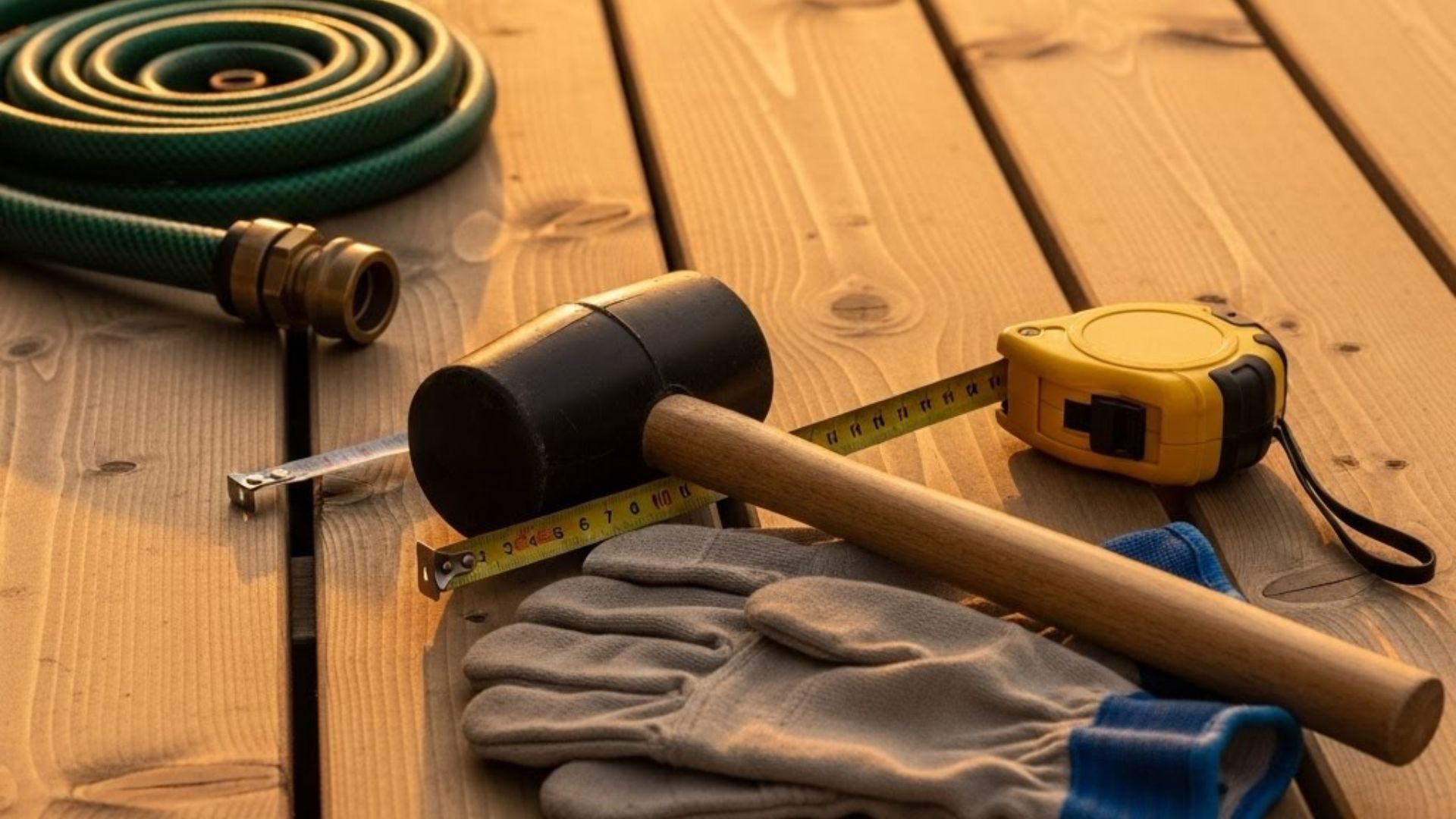
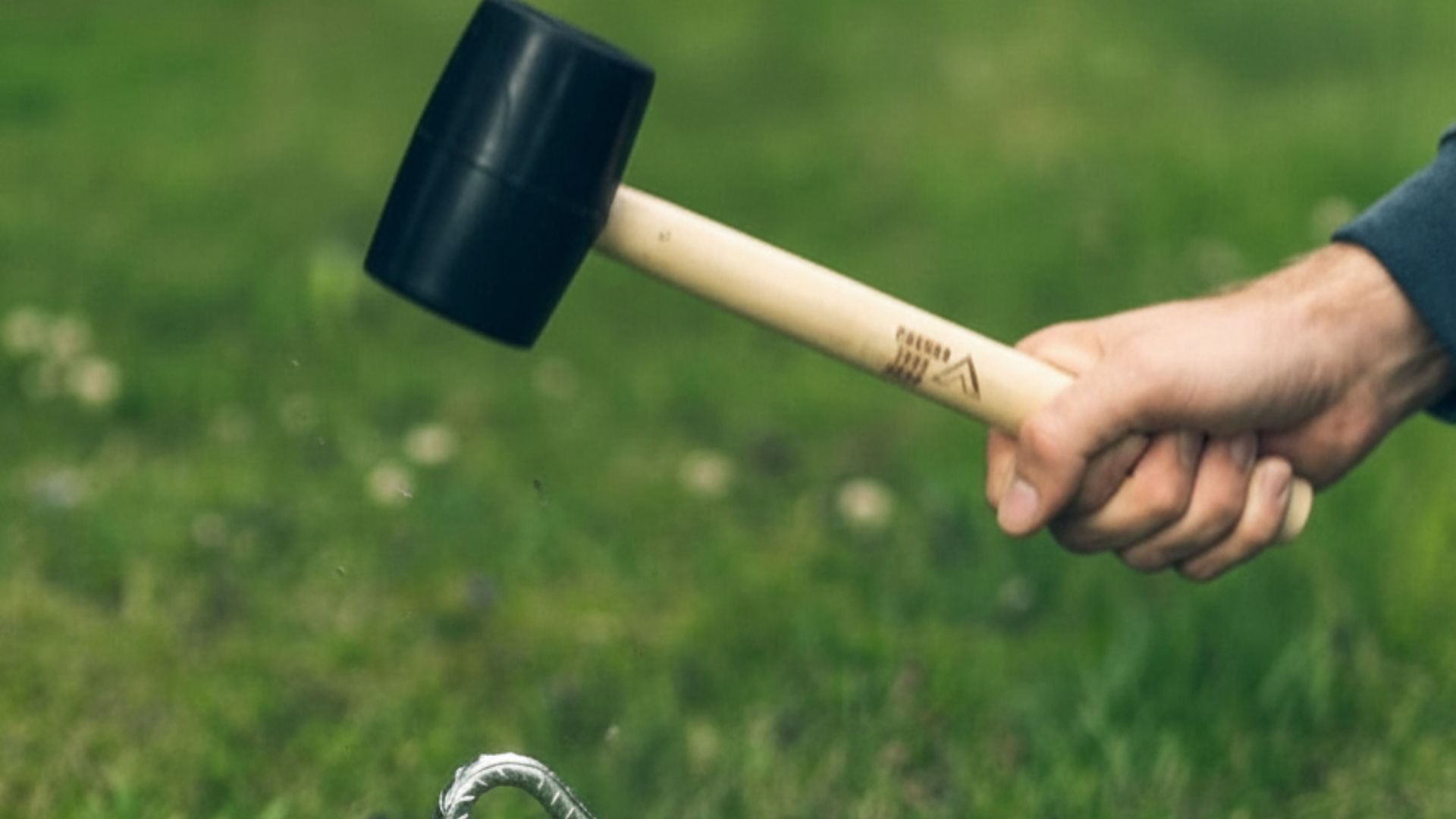
Get all your tools ready before starting. You’ll need a shovel for digging, a tape measure for checking distances, and a rubber mallet for pounding stakes. A drill with screws attaches stakes to the board. Tin snips or a saw cut the edging to size. Keep a utility knife handy for trimming turf edges and a wheelbarrow for moving dirt around.

For materials, measure around your entire lawn area and add 10% extra for mistakes and cuts. Buy poly board landscape edging that matches your measured length. Pick up landscape stakes too – one every 12 to 18 inches on straight sections, and closer together on curves. Get galvanized screws to attach everything. Have your base materials ready, like crushed rock or road base for drainage. Quality artificial grass products require solid preparation, so don’t skip on getting the right foundation materials.

poly board lawn edging


Step-by-Step Guide to Installing Poly Board Edging

Follow these steps carefully to ensure your poly board edging is secure and provides a lasting, clean border for your artificial turf.

Outline the Project Area and Call for Safety

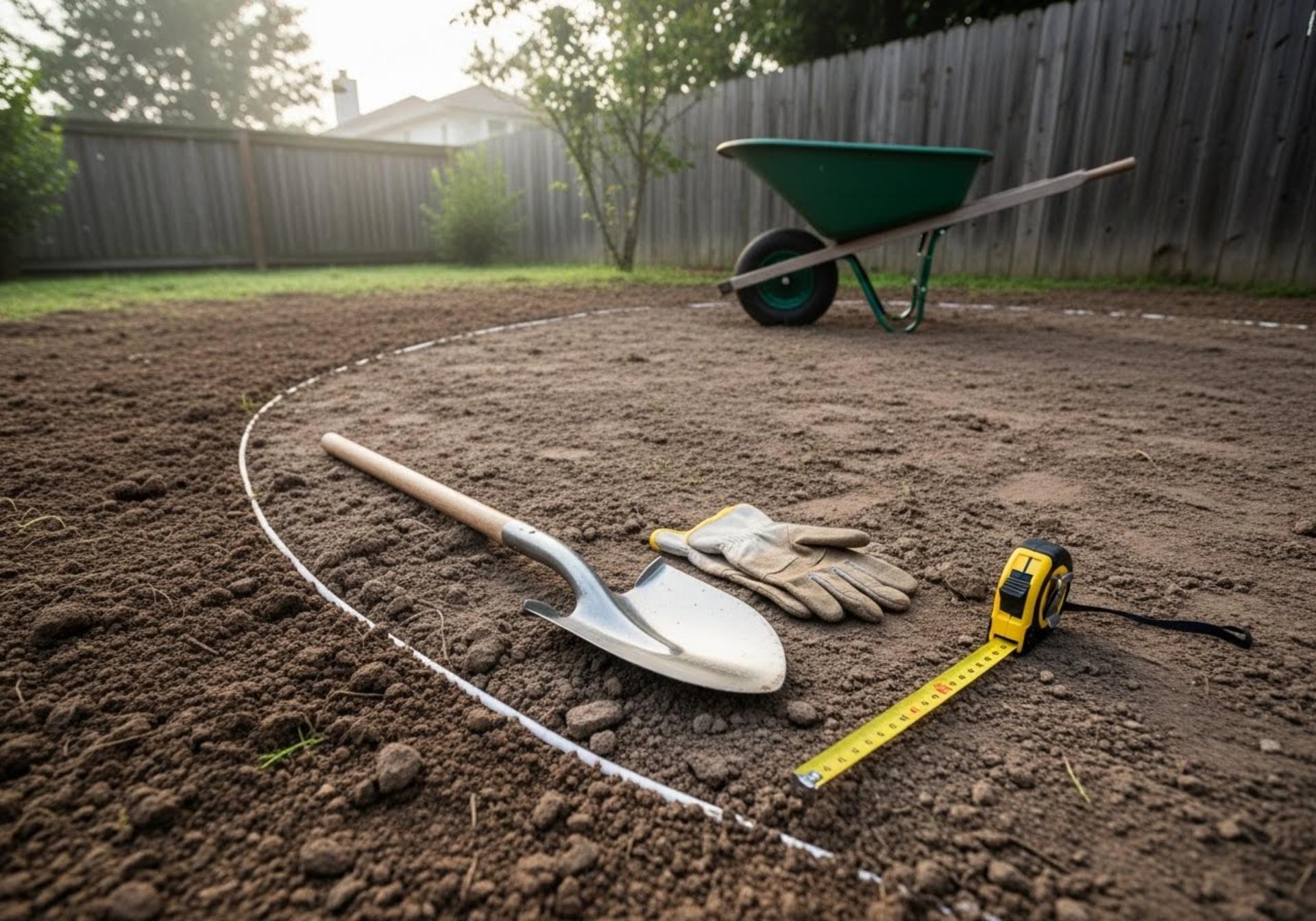
Mark your installation area with spray paint or string. You’ll see exactly how the final shape looks, and it’s easier to keep your lines straight and your curves flowing. Call 811 before digging to mark underground lines. They do it for free and prevent dangerous accidents.

Prepare the Foundation by Digging a Trench

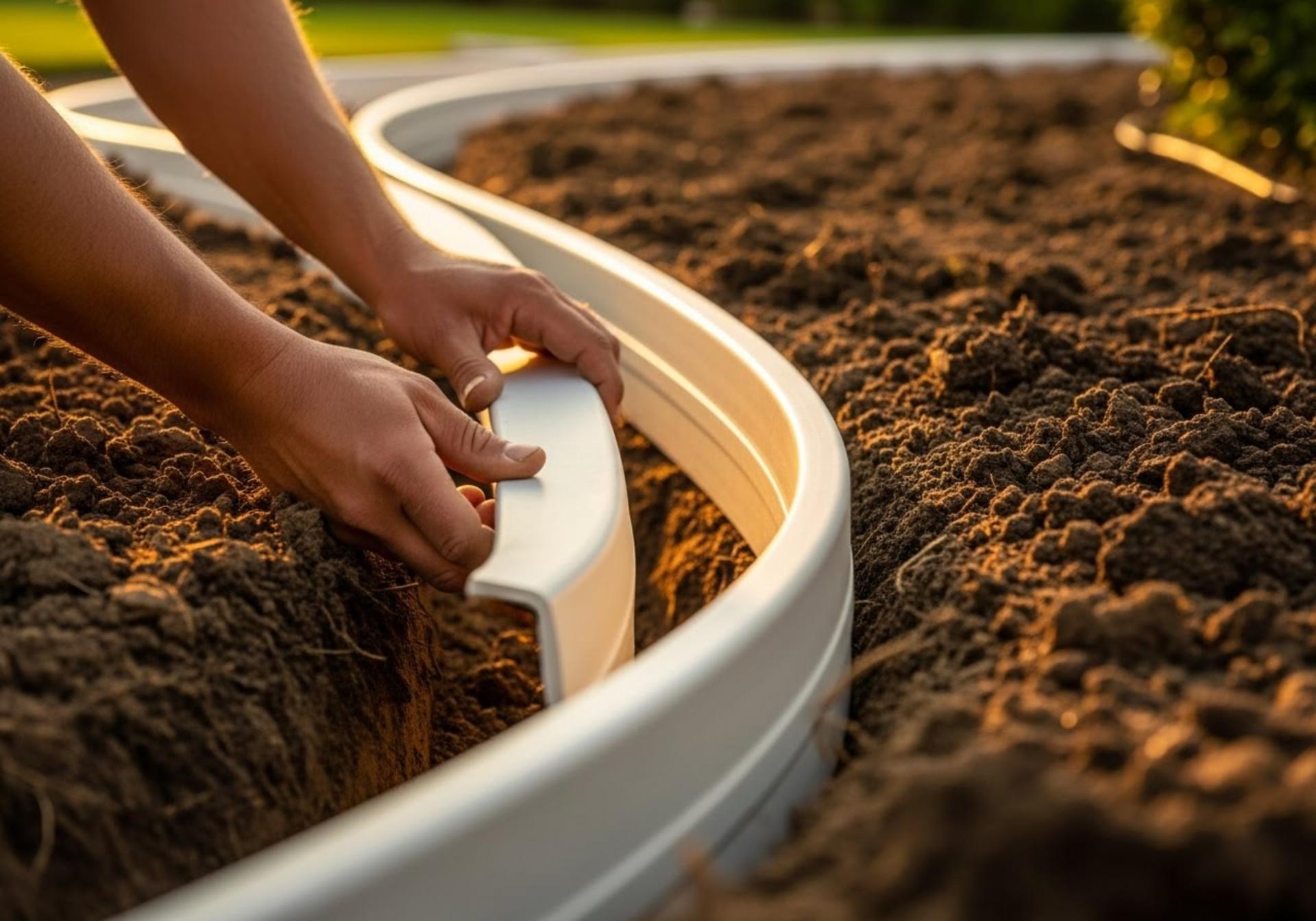
Dig a trench along your marked line about 3.5 inches deep. The 4-inch board should stick up slightly above ground level. Make the outer wall of your trench as straight up and down as possible. This wall supports your edging and keeps it from tilting.

Set the Poly Board Edging in Place

Place the poly board lawn edging into the trench and press it firmly against the vertical wall. For curves, bend the board gently to follow your design. Having someone help makes this much easier, especially on tight turns.

Anchor the Edging Firmly with Stakes

Drive stakes into the ground on the outside of the board. Space them every 3 to 4 feet on straight sections and closer on curves. Stakes should sit slightly below the top of the edging. Use two galvanized screws to attach each stake to the board.

Backfill and Secure the Installation

Now comes the most important part: backfilling. Use the dirt you removed to fill in behind the edging. Pack it down firmly as you go. That packed dirt acts like a buttress – it keeps the board from moving around. Take your time with this part – good packing keeps your edging stable for years.

Lay Your Base and Install the Artificial Turf

Add your base material inside the bordered area and install your artificial grass. Crushed gravel provides drainage for landscape projects. Trim the turf edges so they sit flush against the poly board. Secure them with nails about an inch from the edge. People living in hot, dry areas should check out specific tips for artificial grass in Las Vegas to handle extreme heat properly.

poly board edging

Maintenance and Longevity of Poly Board Edging

Quality poly board needs very little care after installation. Check it once a year, each spring, for any sections that shifted during winter. If you see any movement, tap the board back into place with a mallet and add more packed soil behind it.

Keep the edging clear of leaves and overgrown plants. When using string trimmers nearby, watch out so you don’t damage the surface. With simple care, your edging should last 10 to 20 years, depending on the material quality and your local weather.

Creating a Lawn That Lasts

The small details make the biggest difference between a lawn that looks great and one that falls apart. Poly board edging doesn’t sound like much, but it’s what keeps everything in place. Get the installation right and check on it once a year. That’s really all it takes. Spending extra time up front means no expensive fixes down the road, and the turf stays level and nice-looking for twenty years or more.

What is Blue Turf and Why is it Popular

Walk into Albertsons Stadium in Boise, Idaho, and the first thing anyone notices isn’t the scoreboard or the crowd. It’s the field itself, a brilliant, almost shocking shade of blue that looks like someone colored outside the lines of traditional sports design.

Blue turf started as Boise State’s quirky branding experiment in the 1980s. Now it’s a legitimate trend in athletics, recreation, and residential landscaping. The bright surface turns heads, but there’s more to this story than simple aesthetics. The same high-performance surface that defines Boise State’s iconic field is available for your backyard. See Festival Turf’s Boise installations.

Blue turf


What is Blue Turf?

This is artificial turf that’s been dyed blue during manufacturing instead of the standard green. The process isn’t complicated. Blue dye gets mixed into the plastic fibers first, usually polyethylene or polypropylene. Those dyed fibers then become the individual grass blades.

These blades get tufted into backing material, then filled with rubber or sand for cushioning. The result? A playing surface that performs like any quality synthetic field but stands out visually in ways green never could.

Whether someone wants turf blue like Boise’s, standard green, or something completely different, the technology has improved dramatically. Better UV stabilizers keep colors vibrant longer. Improved drainage systems prevent water pooling. Manufacturing keeps evolving.


The Origins of Blue Turf

Gene Bleymaier had a problem in 1986. As Boise State’s athletic director, he knew the university needed something distinctive, some way to punch above its weight class in crowded college football.

The school was already planning to install artificial turf at Albertsons Stadium. Standard green would work fine. But Bleymaier asked a different question: why not make it blue to match the school colors?

The manufacturer said yes and Boise State went for it.

They became the first college program in America to play on anything other than green. Critics thought it was gimmicky. But television cameras loved it, and suddenly everyone was talking about Boise State football. The “Smurf Turf” became famous, helping build a national brand that persists decades later.


Why is Blue Turf Popular?

Branding power explains much of the appeal. A colored field creates instant visual recognition that green simply cannot match.

Schools using blue turf report tangible recruiting advantages. High school athletes remember that distinctive field when weighing scholarship offers. It’s memorable and different.

Fans love it too. The unusual playing surface creates a sense that something special is happening. Media coverage has increased since broadcasters naturally focus on what makes a venue unique.

Does it improve athletic performance? No. But it improves everything around athletics. The marketing, the excitement, the recruiting, the attention. Sometimes perception matters as much as function.

Where is Blue Turf Used Today?

Blue turf

Boise State sparked a movement, though not every school went with blue. Eastern Washington installed bright red turf. Central Arkansas chose purple and gray stripes.

High schools jumped in too, particularly in Texas and other states where football carries serious cultural weight. Some chose turf in blue to match school colors, while others picked red, purple, or teal. The trend expanded beyond athletics entirely. Playgrounds use different colors now to mark off activity zones.

Then homeowners caught on. Colored artificial grass products aren’t limited to traditional green anymore. Pet owners pick colors that hide stains better or match their landscaping. Pool areas? People coordinate turf with their patio furniture, outdoor tile, whatever works with the design.

Desert climates love this trend. Dry regions need water-saving options that still look good. Dead brown grass looks terrible. Standard green synthetic works but feels boring. Blue, red, or other bold colors? They can actually enhance outdoor spaces and tie into home design.

Pros and Cons of Blue Turf

Every major purchase has trade-offs. Artificial grass in Las Vegas has proven itself reliable, but it’s still worth knowing both the benefits and limitations of blue artificial turf.

The upside:

  • Fields last 15 to 20 years, sometimes longer, with proper care.
  • Forget mowing. Forget watering bills. Forget fertilizer schedules.
  • Rain doesn’t create mud. Snow gets cleared more easily. Drought? Not a problem.
  • Schools and businesses get a signature look that people actually remember.
  • Long-term costs improve significantly compared to natural grass.

The downside:

  • Summer heat turns these surfaces scorching hot, especially darker blues
  • Expect to spend serious money upfront (athletic fields can hit six figures easily)
  • Not everyone likes the look; some call it tacky or too flashy
  • Questions about rubber infill and environmental impact haven’t fully gone away
  • Color fade can happen with cheap blue artificial turf that lacks proper UV protection

Here’s something that doesn’t get mentioned enough: installation quality matters more than color choice. Shoddy work on blue artificial turf creates worse problems than a well-installed green field ever would. These determine success or failure. Color just determines whether people remember the place.

Blue Turf vs. Green Artificial Turf: Which Makes Sense for You?

Blue turf wins on branding. Green wins almost everywhere else, especially for a home lawn.

Heat: Darker colors absorb more sunlight. A blue or navy field can run noticeably hotter underfoot than a standard green lawn on the same afternoon, which matters if kids or pets are using the space barefoot. Green synthetic grass with UV-stabilized fibers stays closer to a temperature you’d actually want to walk on.

Resale and curb appeal: A blue backyard is a bold statement, and statements don’t always help when you sell the house. Green artificial grass reads as a normal, well-kept lawn to buyers and neighbors, which protects your home’s value while still giving you the water savings and zero-mow upkeep that make synthetic turf worth it in the first place.

Availability and cost: Custom-dyed turf is typically a specialty order built for large-scale athletic or commercial branding projects, not a standard retail product. That usually means longer lead times and a higher price point than off-the-shelf turf. Festival Turf’s full lineup of artificial grass products is stocked and ready to go, backed by a 15-year warranty, so you’re not waiting months or paying a premium for color.

FAQs

Is blue turf hotter than green artificial turf?

Yes. Darker colors absorb more heat from the sun, so blue turf typically runs hotter underfoot than green turf on the same day. If you’re installing turf somewhere kids or pets will walk barefoot, green with UV-stabilized fibers is the more comfortable choice.

Why is Boise State’s football field blue?

Boise State installed the first blue turf field in 1986 to stand out from every other program in the country. The move, nicknamed “Smurf Turf,” became a signature part of the school’s brand and helped put Boise State football on the national map.

Can I get blue or colored artificial turf for my home?

Colored turf like blue is usually a specialty order built for athletic or commercial branding projects, not a standard stocked product. For residential lawns, green artificial grass gives you the same durability and water savings with faster availability and a lower cost.

Does colored artificial turf fade over time?

All artificial turf can fade with prolonged sun exposure, but cheap turf without proper UV stabilizers fades faster, and darker dyes like blue tend to show fading more visibly than green. Quality manufacturing with UV-stabilized fibers slows this down significantly.

How long does artificial turf last?

Artificial turf typically lasts 15 to 20 years or more with proper care, regardless of color. Festival Turf backs its products with a 15-year warranty covering fading, workmanship, and materials.

How to Get Rid of Mold on Artificial Turf?

You invested in a perfect, low-maintenance lawn for a reason. You wanted a beautiful, green space without the endless weekend chores. So what’s that ugly spot doing in the middle of your paradise? The sight of mold on artificial turf is more than just an eyesore. It’s a worry about your family’s health and your investment.

moldy lawn

How to Get Rid of Mold on Artificial Turf

Mold on artificial turf almost always comes from standing water combined with organic debris like pet waste or leaves. Small surface patches can usually be cleaned with a vinegar rinse and a stiff brush. If mold keeps coming back after cleaning, the problem is likely in the base layer, not the surface, and that calls for a professional inspection rather than another round of DIY scrubbing.

What Causes Mold on Artificial Turf?

Think of your high-quality artificial turf as a fortress. It’s built to resist invaders like mold. But even the best fortress has weaknesses, and mold’s best friend is standing water. The number one cause is poor water drainage, which leads to water pooling on the surface. This creates the damp, shady hideout mold loves. That risk is highest in rainy climates. In the Pacific Northwest, where Kent, Washington sees rain nearly 180 days a year, properly installed turf in Kent, WA uses a fully permeable base layer that drains immediately.

The only other thing it needs is food. Organic debris, like pet waste, is food for grass mold, a problem not found on natural grass.

installing artificial turf

Signs of Mold Infestation on Turf

Mold is sneaky, but it leaves clues. Identifying a problem area early makes tackling a moldy lawn much easier. Keep an eye out for:

  • Small black speckles that look like dirt but won’t rinse away.
  • Patches of white or black furry growth.
  • A slimy film on the surface of the synthetic grass blades.

These signs can pop up anywhere, though they are less common in the dry climates typical for artificial grass in Las Vegas installations. And don’t forget your nose. A persistent musty smell is a dead giveaway for mold and mildew.

mold on Artificial Turf

Best Methods to Remove Mold on Artificial Turf

Once you’ve spotted mold on artificial turf, it’s time to act. Don’t panic. For small outbreaks, you already have everything you need to fight back. This DIY method is safe for most high-quality artificial grass products, but always test it on a small, hidden spot first.

  1. Power Rinse: Your first move is to give the area a powerful rinse with a hose, washing away as much of the surface gunk as you can.
  2. Bring in the Vinegar: Now, soak the entire moldy patch with straight white vinegar. Don’t be shy; you want it dripping wet. Let the vinegar work its magic for at least an hour.
  3. Scrub it Down: Next, take a stiff-bristled brush (just make sure it isn’t a metal one) and scrub the spot to lift the loosened mold from the turf fibers.
  4. Final Wash: Finish the job with one last, thorough rinse. You’re washing away all the vinegar and the last of the mold residue for a clean slate.

For your safety, always wear gloves and eye protection when cleaning.

Surface Mold or a Base Layer Problem?

Not all mold on artificial turf is the same, and knowing the difference tells you whether a weekend cleanup will fix it or whether something deeper is going on.

Surface mold sits on top of the turf blades. It shows up as those black speckles or white furry patches, and it responds well to the vinegar-and-brush method above. If a hose rinse and scrub clears it out and it doesn’t come back within a few weeks, you were dealing with a surface issue.

Base layer mold is a different story. This happens when water gets trapped underneath the turf itself, in the drainage layer or the aggregate base. You’ll usually notice this as mold that keeps returning in the same spot no matter how often you clean it, or a musty smell that lingers even when the surface looks fine. Cleaning the top of the turf doesn’t touch this kind of moisture, because the problem is below what you can see or reach.

This is exactly why installation quality matters so much for artificial grass, especially in wetter markets. Turf installed over a compacted or poorly permeable base traps water underneath, which is the single biggest driver of recurring mold complaints in our experience.

mold on Artificial Turf

Preventative Measures to Avoid a Moldy Lawn

An ounce of prevention is worth a pound of cure. The best way to handle mold on artificial turf is to make sure it never gets a foothold. That defense, which is crucial for any artificial grass for landscaping, starts from the ground up. Prevention begins with installing artificial turf correctly; a professional artificial grass installation ensures the synthetic turf is properly installed over a permeable base with proper drainage tile.

Proper lawn maintenance is one of the most effective easy landscaping ideas to protect your investment. Once a week, clear off leaves and dirt. If you have pets, clean up solid waste right away and rinse urine spots often.

mold on Artificial grass

Professional Cleaning vs. DIY

If mold keeps returning after you’ve cleaned it two or three times, or if you notice a musty smell without visible mold on the surface, that’s your signal to stop DIY treatment and get the base layer inspected. At that point you’re not fighting a cleaning problem, you’re fighting a drainage problem, and no amount of vinegar fixes that.

The good news is that mold resistance starts with what you install in the first place. Festival Turf’s CamoFill infill is built with antimicrobial properties that make it harder for mold and bacteria to take hold between the blades, which matters most in pet areas and shaded yards where moisture tends to sit longer. Every Festival Turf product also comes backed by a 15-year warranty, so if something in the material or workmanship fails you, you’re covered.

Not sure if your current turf setup is part of the problem? Order a free sample to feel the difference in backing and drainage quality before you replace anything, or contact our team for a straight answer on whether what you’re seeing is a cleaning issue or an installation issue.

Frequently Asked Questions

Is mold on artificial turf harmful to pets or children?

Yes, it can be. The CDC confirms that mold exposure can trigger allergic reactions like coughing, itchy eyes, and stuffy noses. Kids and pets are more vulnerable because they’re closer to the ground and have developing immune systems. It’s always best to remove mold immediately.

Can mold damage synthetic grass fibers?

While mold won’t eat the plastic fibers of modern fake grass, it can cause ugly, permanent stains and discoloration. Worse, the constant moisture that helps mold thrive can degrade the turf’s backing and base over time, cutting its lifespan short.

How often should artificial turf be disinfected?

It depends on your lawn’s use. For pet owners, a weekly disinfection of urine spots with a pet-safe cleaner is a smart move to control bacteria and odors. For general use, a deep clean once or twice a year is usually plenty. Always clean up food and drink spills immediately so they don’t become a buffet for mold.

Artificial Grass vs. Real Grass: Which Is Right for Your Yard?

You know the drill. Mow, water, weed, repeat. Weighing artificial grass vs natural grass often starts with one simple question: why does keeping a natural lawn alive all summer cost so much time and money? A sky-high water bill and a yard that still has brown patches make it feel like a thankless, expensive part-time job when you just wanted a nice yard, not a constant battle.

So you start looking for a smarter solution, and that brings you to the bigger question of natural grass vs artificial turf. This isn’t just about looks. It’s a choice with a real environmental impact. A natural lawn consumes a shocking amount of resources. A modern turf system, on the other hand, is an engineered solution designed to solve those problems. Let’s break down the turf vs grass debate to see why making the switch is a smart, sustainable choice for modern homeowners.

artificial grass vs natural grass

Artificial Grass Benefits

The appeal of artificial turf is simple: it solves all the problems that make you hate your lawn. It’s an immediate upgrade over struggling real grass.

First, there’s the incredible water conservation. It doesn’t need watering to stay lush and green. In dry climates, that means your water bills plummet. You can save on water usage without lifting a finger, which is a massive win for both your wallet and your community’s water supply.

Second, the maintenance requirements are quite low. You get your weekends back. No more mowing, no more buying expensive fertilizers, no more pulling weeds. This also means no more noise and air pollution from a gas mower and no more chemical runoff. Synthetic turf is also tough as nails. It’s engineered to handle active kids, playful pets, and backyard parties without turning into a mud pit or getting worn-out patches.

natural grass vs artificial turf​

Natural Grass Pros and Cons

Sure, a natural lawn looks classic. But the reality of keeping it that way comes with a long list of downsides. The constant work and resources required are why so many people look for easy landscaping ideas to create a more enjoyable outdoor space.

Pros Cons
Cools the air around your home. It’s incredibly thirsty and demands huge amounts of water.
Pulls carbon from the atmosphere. Needs constant mowing, creating noise and emissions.
Supports a diverse ecosystem of birds and bugs. Often needs chemical water fertilizers and pesticides.
Produces oxygen. Wears down easily into bare spots in high-traffic areas.
Can improve soil health over time. It’s a constant drain on your time, energy, and wallet.
Feels soft and natural underfoot. Goes dormant and turns brown in extreme heat or cold.

While a perfectly managed natural lawn has some benefits, the resources needed to achieve that look often create an environmental liability that outweighs the good.

Artificial Grass vs Natural Grass: Water Usage and Conservation

Here’s where the artificial grass vs natural grass debate becomes crystal clear. A natural lawn can be a major consumer of water. In a city like Las Vegas, a single square foot of grass can consume 73 gallons of water a year. For a small 500-square-foot lawn, that’s over 36,000 gallons annually. The problem got so bad that Nevada passed a law in 2021 banning the use of Colorado River water for purely ornamental turf.

This is turf’s biggest win. Artificial lawns stay perfectly green with no irrigation. For anyone with artificial grass in Las Vegas or any other drought-prone region, the savings are immediate and undeniable.

A common question is about heat. Like any surface in direct sunlight, turf can get warm. However, modern turf technology incorporates heat-reflective yarns and cooling infills that significantly reduce surface temperatures compared to older products. A quick rinse with a hose can also provide instant cooling on the hottest days.

grass vs artificial turf

Natural Grass vs Artificial Turf: Chemical Usage and Pollution

When you compare the chemical profiles in the natural grass vs artificial turf debate, you’re comparing an uncontrolled system with a controlled one.

A natural lawn often requires a constant cycle of chemicals, such as water, fertilizers, and pesticides, to look its best. Fertilizers rich in nitrogen and phosphorus are applied directly to the ground, where they can easily wash into storm drains during the next rainstorm. This flood of nutrients causes a process called eutrophication, explosive algae growth that chokes out fish and other aquatic life, creating “dead zones” in local lakes and rivers.

A modern artificial turf system is a completely different story. This is where the quality of your turf matters immensely. While cheap, low-quality turf from unknown sources can be a concern, reputable companies use high-quality, non-toxic materials. Artificial turf from a trusted supplier doesn’t use recycled tires and is engineered for safety. It contains no harmful levels of lead, heavy metals, or PFAS, “forever chemicals.” Providing a product that is safe for your family and pets matters.

Grass vs Artificial Turf: Carbon Footprint and Production

The grass vs artificial turf debate extends to their carbon footprints, which can be thought of in two distinct ways: a factory footprint versus a tailpipe footprint.

Artificial turf is made in a factory from polymers like polyethylene, which creates a one-time carbon impact. But after that day, it’s done. For the next 15 or 20 years, its carbon footprint is low.

A natural grass lawn is the opposite. It creates pollution every single week. Your gas-powered mower, leaf blower, and edger are all spewing emissions. In fact, studies suggest that the collective emissions from gas-powered mowers, leaf blowers, and chemical production can significantly offset the carbon absorbed by the grass. Choosing a long-lasting synthetic grass for your artificial grass for landscaping means you eliminate those weekly emissions for good.

artificial grass vs natural grass

Turf vs Grass: Waste and End-of-Life Disposal

When homeowners weigh the pros and cons of artificial turf, end-of-life disposal is a common and valid concern. While the industry is actively working to improve recycling processes, the reality is that disposal can be a challenge. That’s why the most responsible choice available today is to reduce waste in the first place by choosing a premium, well-made system. It’s a long-term investment, built to last. By choosing quality, you avoid the landfill for a long time. That is the most sustainable approach in the turf vs grass comparison.

Artificial Grass vs Natural Grass: Biodiversity and Soil Health

The relationship with the local ecosystem is a key differentiator in this debate. A natural lawn is a habitat that supports a wide range of soil life and insects. For some, however, this can unfortunately include pests like fleas and ticks, which may require chemical treatments. The debate over artificial grass vs natural grass also involves what you track into your house. Artificial turf gives you a clean slate. No soil means no mud. No habitat for pests means fewer unwanted critters. It’s a clean, reliable play space for your family. Find the perfect feel for your yard by browsing our artificial grass products.

Artificial Grass vs Natural Grass

Artificial Grass vs Natural Grass: Safety for Kids and Pets

Both can be made safe, but they solve different problems. Natural grass can harbor allergens, pesticide residue if treated, and uneven or muddy patches that create fall hazards. Artificial grass eliminates mud entirely and, when installed with proper infill, provides a consistent, cushioned surface for play.

For pet owners specifically, look for artificial grass with polyurethane backing rather than latex. Polyurethane does not trap pet urine odor the way latex-backed products can, and it drains fast enough to keep the surface from staining or smelling even with heavy daily use.

One honest tradeoff: artificial grass can get warmer than natural grass in direct summer sun. Cooling infill and shaded areas can help manage this for pets and kids during peak afternoon heat. Browse our pet-friendly artificial grass guide for infill and drainage specifics.

Artificial Grass vs Natural Grass: Appearance, Feel, and Durability

Real grass has one advantage synthetic turf cannot replicate: it changes with the seasons, which some homeowners prefer for a more organic look. Artificial grass stays the same green year-round.

Underfoot, quality synthetic grass with a soft polyethylene blade feels close to real grass, especially compared to older AstroTurf-style products or stiffer nylon turf built for sports fields.

Where artificial grass pulls ahead decisively is durability. Natural grass is fragile under heavy foot traffic, a dog’s favorite running path, or a hot dry stretch, and bare patches can take weeks to recover, if they recover at all. Quality artificial grass with proper installation and drainage typically lasts 20 to 25 years without developing worn or bald spots.

Which One Should You Choose?

Choose real grass if:
You enjoy yard work as a hobby, not a chore. Water is not a major cost or concern where you live. You want a yard that changes naturally with the seasons.

Choose artificial grass if:
You want your weekends back. You live somewhere hot and dry where water bills or restrictions are a real issue. You have pets or kids who are hard on a natural lawn. You want a lawn that looks the same in year fifteen as it did in year one.

For most homeowners in drought-prone, high-heat regions, the combination of water savings, near-zero maintenance, and long-term durability tips the scale toward artificial grass.

Natural Grass vs Artificial Turf: Cost vs. Environmental Value Over Time

For many homeowners, the deciding factor in the natural grass vs artificial turf debate comes down to one thing: money. It’s true that when you install artificial grass, the upfront cost is higher, but it’s an investment that saves you cash every single year.

  • The Sticker Shock. Let’s not beat around the bush: the initial cost is the main barrier for many. A professional grass installation is one thing, but understanding the full artificial grass costs—which include advanced materials and base preparation—means a more significant upfront investment, with installation costs averaging $10.75 per square foot.
  • The Payback. This is where turf makes its case over the long term. A natural lawn is a money pit. Annual costs for water, mowing services, fertilizers, and pesticides can easily top $1,000 annually. Because turf requires almost no ongoing spending, the initial investment is often paid back within just a few years.
  • The Smart Investment. After that break-even point, you enjoy pure savings for the rest of the turf’s lifespan. Choosing quality turf isn’t just a purchase; it’s an investment in your property and your lifestyle that adds value to your home and frees up your weekends.

Deciding what works for your budget is personal. If you need help crunching the numbers for your space, contact our artificial grass specialists to get a clear picture.

Overview: The Differences Between Natural Grass and Artificial Grass

The choice in the turf vs grass debate is about choosing a modern solution over a resource-intensive tradition. The table below breaks down the grass vs artificial turf matchup so you can see the trade-offs clearly before installing artificial turf.

Environmental Metric Natural Grass Artificial Turf The Bottom Line
Water Use Very Thirsty Saves Water Grass guzzles water. Turf eliminates your watering bill.
Chemicals Needs Constant Application Contained & Controlled Grass needs chemical sprays. Quality turf is safe from day one.
Carbon Footprint Ongoing Emissions One-Time Footprint Gas mowers pollute every week. Turf has a one-time factory footprint.
Surface Supports Bugs & Pests Clean & Soil-Free Grass means mud, bugs, and mess. Turf gives you a clean, usable space.
Lifespan Needs Yearly Renewal A Long-Term Solution Grass is an endless project. Quality turf is a long-term solution.

For homeowners who value their time and money, the choice is clear. In a dry climate, the water savings make turf the responsible decision. But the real win is bigger than that. You’re getting a durable, beautiful yard without the endless chores and chemical worries.

Everyone wants a beautiful lawn. Few want to spend every Saturday maintaining one. Modern artificial grass delivers the look without the work, the water bills, or the frustration.

FAQs

Is artificial grass cheaper than real grass in the long run?

Yes, in most cases. Real grass costs less upfront but requires ongoing spending on water, mowing, and fertilizer. Artificial grass costs more initially but has minimal ongoing costs, so it typically becomes the cheaper option within a few years and stays that way for the life of the product.

Is artificial grass better than real grass for pets?

For most pet owners, yes. Artificial grass with polyurethane backing resists odor retention and drains urine quickly, and it eliminates the muddy patches and dug-up spots that come with heavy pet use on natural grass.

How long does artificial grass last compared to real grass?

Quality artificial grass typically lasts 20 to 25 years with proper installation and care. Real grass has no fixed lifespan but requires constant maintenance to stay healthy and can develop permanent bare patches from heavy use, pests, or drought stress.

Does artificial grass get hot in the sun?

Yes, artificial grass can get warmer than natural grass in direct summer sun. Cooling infill and shaded areas can help manage this, especially for pets and kids using the space during peak heat.

Is Artificial Turf Covered by the Water Rebate Program

Your lawn is thirsty. You can almost hear the water meter groaning every time the sprinklers fire up, yet you still struggle to protect your grass. It’s a thankless cycle: mow the lawn, pay a sky-high water bill, and do it all again next month. You wanted a beautiful yard, not a part-time job that costs you money. But what if a water rebate program could pay you to end the fight?

 Water Rebate program

What Is the Water Rebate Program?

Local water agencies are desperate to reduce public water consumption. To get homeowners on board, they’re offering cash. A water rebate program is a simple transaction: you make a smart, water-saving upgrade to something like artificial turf, and as a thank you, they mail you a check. These programs have expanded beyond basic conservation measures, with some districts now offering incentives similar to a water heater rebate program or water softener rebate program, but focused specifically on outdoor water savings.

water softener rebate program​

Does Artificial Turf Qualify for the Water Rebate Program?

It all comes down to location. In Madera, California, the water district actually provides a higher rebate for artificial turf than for other options. But in Southern California, the giant SoCal Water$mart program explicitly forbids rebates for synthetic grass.

For anyone installing artificial grass in Las Vegas, the local Water Smart Rebate Program offers excellent opportunities. Las Vegas Valley Water District residents can get up to $5 per square foot for replacing grass. But there is one catch to be aware of: your entire project must meet the 50% plant canopy rule, meaning half of your new yard must be covered by living plants.

The Southern Nevada Water Authority is your ultimate source of truth for local eligibility requirements.

water heater rebate program​

Benefits of Using the Water Rebate Program for Turf Installation

Getting a check in the mail is the obvious win. A quality artificial turf installation is an investment, and a water rebate program can take a serious bite out of that initial cost. It dramatically shortens the payback period, getting you to pure savings much faster.

Rebate programs turn your project into something bigger. It’s one of the best easy landscaping ideas because you’re cashing in on a sustainable choice. Unlike a water heater rebate program that focuses on indoor efficiency, or a water softener rebate program that targets appliance performance, turf rebates transform your entire outdoor space while helping your community conserve water. You no longer have to worry about how to protect your lawn from drought.

You’ll eliminate constant watering, reduce maintenance time, and create a landscape that stays green year-round without the heat stress that damages natural grass during summer months.

 Water Smart Rebate Program

How to Apply for the Turf Water Rebate

Think of it as getting permission first, then getting paid.

Get Pre-Approved First

Water authorities mean business about pre-approval. If you start your project before getting their official go-ahead, you get nothing. You’ll need to:

  1. Apply Online: Fill out the application on your local water district’s website.
  2. Submit Documents: Upload a recent water bill, clear photos of existing grass, and a basic project sketch.
  3. Wait for Approval: Don’t start until you receive the official “Notice to Proceed.” This takes a few weeks, then you’ll have a deadline to finish.

Claim Your Cash

Once finished, submit “after” photos and itemized receipts for your artificial grass products and materials. Some districts perform final inspections.

If the process seems overwhelming, contact our artificial grass specialists for guidance on navigating local rebate requirements.

 Water Rebate program

Common Limitations and Exclusions

Rebate money comes with strings attached. Here’s what you’ll run into:

  • Minimum Project Size: Most districts require substantial square footage to ensure real water usage impact. The local Water Smart Rebate Program requires at least 400 square feet of turf conversion.
  • Plant Coverage Requirements: Many programs require living plants in a percentage of your landscape.
  • Permeable Surface Mandate: Your artificial grass for landscaping must allow water drainage so that rainwater soaks through to soil.
  • Fire Safety: Be aware that turf is not fireproof. Placing a portable fire pit on the surface can cause melting, and spills from accelerants like lighter fluid can cause significant damage.
  • Conservation Commitments: The water savings are meant to be permanent. By accepting the rebate, you’re usually agreeing to keep the area a low-water landscape for good.

A Smarter Yard That Pays You Back

Switching to artificial turf saves water, slashes weekend chores, and cuts bills. Getting a rebate from your local water rebate program makes a smart decision even smarter. Research the requirements, follow the steps, and you can end up with a beautiful yard and a welcome check from your water company.


References:

Las Vegas Valley Water District. (2025). Rebates and coupons. https://www.lvvwd.com/conservation/rebates/index.html

Southern Nevada Water Authority. (2025). Water Smart Landscapes Rebate. https://www.snwa.com/rebates/wsl/index.html

Southern Nevada Water Authority. (2025). Water Smart Landscapes application. https://www.snwa.com/apps/wsl/index.cfml

Southern Nevada Water Authority. (2025). Water Smart Landscapes Rebate program conditions – Residential customers. https://www.snwa.com/rebates/wsl/terms-residential.html#conditions

Why Pet‑Friendly Artificial Grass Is a Smart Choice for Your Home and Pets

Mud spatter on the porch, muddy paw prints zig‑zagging through the kitchen, and yellow rings dotting the yard – every pet owner knows the routine. You reseed, you spray, yet the mess roars back after each storm or zoomie session. Pet-friendly artificial grass breaks that loop. By trading fragile blades for durable fibers, you get a yard that stays green, tidy, and safe for play without adding chores to your weekend list. This shift toward artificial grass for landscaping represents a smarter approach to outdoor spaces that actually work with your lifestyle.

Understanding Pet‑Friendly Artificial Grass

Think of pet friendly artificial grass as an upgrade, not a compromise. It combines synthetic turf engineering with high-quality safety testing so dogs, cats or other pets enjoy a surface that feels soft yet outlasts natural grass. In pet-friendly landscaping projects, turf systems are engineered specifically to support drainage, odor control, and durability in active pet environments. Flip a sample over and you will spot hundreds of holes that whisk moisture away before odors can form. Curious about construction details, blade shapes, or infill varieties? Browse our lineup of artificial grass products to compare the latest quality materials side by side.

 Pet friendly artificial turf

Benefits of Pet-Friendly Artificial Turf

Installing pet-friendly artificial turf transforms your outdoor space in five clear ways:

  • Goodbye tracking: Liquid drains in seconds, so no muddy paw prints enter the house.
  • Budget-friendly longevity: Up‑front expense is higher, but years without mowing, watering, or fertilizing save serious money.
  • Healthier play: No pesticides, fleas, or burrs. Your dog can roll freely while you skip harsh lawn chemicals.
  • Easy to clean upkeep: Scoop solids, rinse, and move on. Regular hosing keeps the surface clean and odor-free and genuinely easy to clean.
  • Year‑round curb appeal: Color stays lush even in extreme heat, making artificial grass in Las Vegas a smart choice for desert homeowners.

Premium artificial turf has been found in lab tests to show no significant changes in appearance after 15,000 wear cycles, offering greater durability than real grass while cutting water usage and slip hazards.

artificial turf pet friendly

Comparing Artificial Turf to Natural Grass for Pets

When comparing artificial turf to natural grass, the differences jump out. Where natural sod thins out, high-traffic areas stay pristine on artificial turf. Pet-friendly features are the primary reason why: the surface shrugs off urine spots, resists digging, and avoids bald patches entirely. Blades never mat, and smart infills neutralize odor.

Natural grass demands constant irrigation, fertilizers, and patch repair. Weeds sneak in, fleas hitch a ride, and sod turns soggy after heavy rain. Allergy‑prone pups breathe easier on artificial grass for dogs, and owners spend weekends playing fetch, not pushing mowers. High‑traffic pet areas like side yards and back‑door corridors stay green, while soil lawns thin out.

For households in desert zones, turf beats grass at conserving water and preserving play space, which is a win in every metric.

pet friendly artificial grass

Key Features to Look for in Pet Turf

Study the specs of artificial turf, not just the shade of green. A leading roll lists pile height, stitch rate, backing weight, and permeability. Aim for blades around one and a quarter inches – tall enough for cushion, short enough to speed drying. Ultraviolet‑resistant yarns keep paws cooler and prevent color fade. Verify drainage rates of at least thirty inches per hour and choose deodorizing infill for odor control. Plan to lay a weed barrier under the base to block stray sprouts and keep drainage paths open. Explore these easy landscaping ideas to see how beautifully turf pairs with stone pavers and other hardscape.

When evaluating rolls, confirm the label clearly states “artificial turf pet friendly” so you know it is engineered for paws and claws. Before ordering, bend a sample. Quality yarn rebounds without creasing. Dense stitching hides infill and supports traffic. Selecting pet-friendly artificial turf with these traits means fewer worries and more tail wags.

 Pet friendly artificial turf

Installation Tips for Maximum Pet Safety

A tight installation process protects your investment and your pet’s paws:

  1. Grade and compact. Excavate about three inches, add crushed rock, and compact firmly to create a stable base.
  2. Lay a weed barrier to block unwanted growth while letting water flow through.
  3. Roll, seam, and stake. Align grains, secure seams with tape, and spike edges every six inches for a rock‑solid pet turf installation.
  4. Spread odor‑blocking infill. Brush until blades stand upright and weigh the surface uniformly.
  5. Rinse routinely. Weekly hosing keeps the yard fresh and hygienic.

If you have questions about tools, base depth, or local soil conditions, contact our artificial grass specialists before starting. Their guidance can prevent rookie mistakes and extend the life of your lawn.

artificial turf pet friendly

How Pet-Friendly Turf Pays for Itself

Switching to pet-friendly artificial grass is more than a cosmetic upgrade; it sharpens safety, slashes water demand, and trims hidden costs. Lab‑tested blades and antimicrobial infill keep pathogens in check, protecting kids as well as pets. Eliminating fertilizers and pesticides removes toxins from runoff and puts fewer chemicals near vegetable plots, a win for eco‑conscious homeowners.

Over a typical eight‑year span, the savings on water, mowing, and lawn chemicals often surpass the initial install fee, turning turf into a net‑positive investment. Add in the reliable curb appeal of no brown patches and no seasonal die‑off and you gain a lawn that broadcasts pride while freeing up precious weekend hours. It is the rare home upgrade that pays you back in time, money, and peace of mind every single day.

Frequently Asked Questions

Is pet-friendly artificial turf hot for paws in summer?

Modern fibers reflect more sunlight, and cooling infills drop surface temperatures by up to thirty degrees Fahrenheit compared with older products. On bright afternoons, test the turf with your palm; if it feels warm, hose it lightly for instant relief. Providing water bowls, planting shade trees, or adding a sail that blocks midday sun keeps paws comfortable even during heat waves.

How do you clean artificial grass after pet use?

Daily care is simple: scoop solids, then rinse the spot so urine drains swiftly into the base. Once a week, spray a pet‑safe enzyme cleaner across high‑traffic zones to neutralize hidden ammonia crystals and keep bacteria at bay. A stiff broom or power brush each month lifts fibers upright and redistributes infill, preserving that freshly installed look without major effort.

Will dogs try to dig up artificial turf?

Most pups lose interest quickly because there is no soil reward, but determined diggers may test corners at first. Secure edges with landscape stakes every six inches and use a weighty infill so claws cannot slip under the backing. If curiosity persists, redirect energy with chew toys and reinforce boundaries through training. Solid installation plus patience stops damage before it starts.


References:

Matrix Turf. (n.d.). Research & Testing. Retrieved July 25, 2025, from http://www.matrix-turf.com/about/research-testing/

Heavenly Greens. (2024, September 16). Mastering Artificial Grass Odors: Expert Tips for Pet-Friendly Lawns. Retrieved July 25, 2025, from https://www.heavenlygreens.com/blog/thinking-about-artificial-grass-with-dogs-heres-the-real-deal-on-smells

MSI Surfaces. (2024, December 27). Pet-Friendly Artificial Grass: Key Considerations to Choose the Best Option. Retrieved July 25, 2025, from https://www.msisurfaces.com/blogs/post/2024/12/27/pet-friendly-artificial-grass-key-considerations-to-choose-the-best-option.aspx

ProGreen. (2024, May 7). Does Turf Smell with Pets? Debunking Myths and Facts. Retrieved July 25, 2025, from https://progreen.com/does-turf-smell-with-pets-debunking-myths-and-facts/

Smart Turf. (2024, March 5). Artificial Grass for Pets: What Pet Owners Need to Know. Retrieved July 25, 2025, from https://smartturf.com/artificial-grass-pets

Synthetic Turf Northwest. (2024, August 30). 15 Reasons Artificial Grass Is Good for Your Pets. Retrieved July 25, 2025, from https://www.syntheticturfnorthwest.com/15-reasons-artificial-grass-is-good-for-your-pets/

Turf Tek USA. (n.d.). Tips for Installing Pet Turf. Retrieved July 25, 2025, from https://www.turftekusa.com/blog/tips-for-installing-pet-turf