Does Landscaping Increase Home Value? Understanding Its Effects

The Value of Landscaping

Homeowners typically examine different home improvement projects before listing their property to increase its market value. Investments in landscaping represent a strong possibility for a significant return on investment.

But does landscaping increase home value, and if so, by how much?  To get straight to the point, the answer to the question “Does landscaping increase value of home?” is a resounding yes – with strategic landscaping choices potentially boosting your home’s value by 15-20%.

Does Landscaping Increase The Value of a Home?

does landscaping increase value of home

Landscaping encompasses both softscaping (plants, trees, and gardens) and hardscaping (paths, patios, and structures). Together, these elements create the overall outdoor aesthetic and functionality of your property.

Research shows that a well-landscaped home can increase resale price by 5.5% to 12.7%, with some premium landscaping projects pushing that figure to 20%.  Real estate professionals consistently cite landscaping as one of the top investments homeowners can make before listing their properties.

Before starting major landscape renovations, contact our artificial grass specialists to guarantee optimal return on investment for your particular property in its market area.

How Landscaping Impacts Home Value

How much does landscaping increase home value depends on several factors, including project type, quality, and regional preferences. Financial experts recommend spending between 10-20% of your home’s value on outdoor improvements to maximize returns.  The most lucrative financial return in real estate development comes from adding living space that needs maintenance only once in a while.

The investment returns from different landscaping projects vary:

  • An attractive well-maintained lawn offers real estate owners 217% profit on investment.
  • General landscaping maintenance generates about 104% return on investment.
  • Upgrading walkways can yield 100% ROI
  • The construction of a deck or patio brings approximately 89% return on investment.

The Importance of Curb Appeal

how much does landscaping increase home value

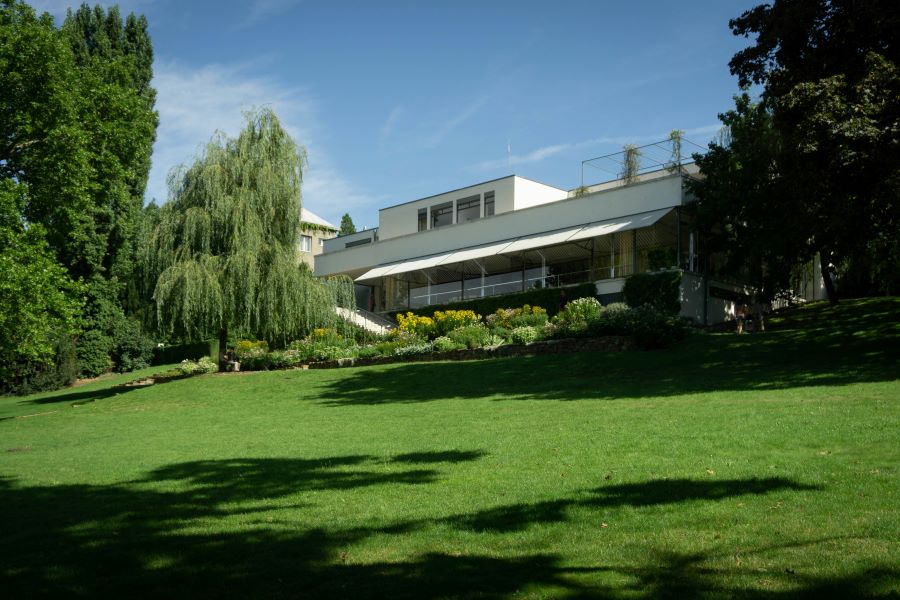
The initial impact of properties in real estate remains extremely important. Well-considered front yard garden arrangements will boost curb appeal before any potential buyer enters the house.  The combination of colorful plants with properly mulched garden beds and an orderly presentation creates a substantial impact on buying potential before entrance exposure.

For properties where traditional landscaping poses challenges, alternatives like artificial turf can provide attractive, low-maintenance solutions.

Creating Usable Outdoor Spaces

Homebuyers today want outdoor living spaces that expand their home’s usable area. Decks, patios, and designated entertainment zones can transform underutilized yard space into valuable living areas. The average cost for wood decks reaches $17,051 with a return on investment rate of 50.2%, while composite decks reach $23,430 with a rate of return of 39.8%.

Factors That Increase the Value of Landscaping

  1. Quality: Professional landscaping typically yields higher returns than DIY efforts, particularly when completed by skilled designers. The quality of materials and plant selections significantly impacts the overall value added to your property when investing in landscaping.
  2. Design and Size: Well-designed plans need to appeal to a wide audience for maximum success.  The design of an effective landscape should appeal to various buyers instead of featuring personalized elements.
  3. Maintenance and Care: Homebuyers seek beautiful outdoor areas that require minimal care, so low-maintenance landscaping has become more appealing to them.

Best Landscaping Projects for Boosting Home Value

Well-Maintained Lawn and Turf

investing in landscaping

A vibrant green lawn stands as a highly economical investment in landscaping projects. The basic task of maintaining a lawn requires a $140 investment for each service, yet reseeding your lawn runs between $400 and $1,600 to achieve the mentioned 217% return on investment.  The utilization of artificial grass products in particular areas works as a substitute for natural grass because it provides visual appeal with decreased water consumption.

Native and Drought-Resistant Plants

Xeriscaping (drought-resistant landscaping) costs between $16,000-$18,000 upfront but can increase home value by 10-12% while saving significantly on water and upkeep.  Potential home buyers increasingly appreciate environmentally conscious landscaping choices, particularly in drought-prone regions.

Hardscaping Features

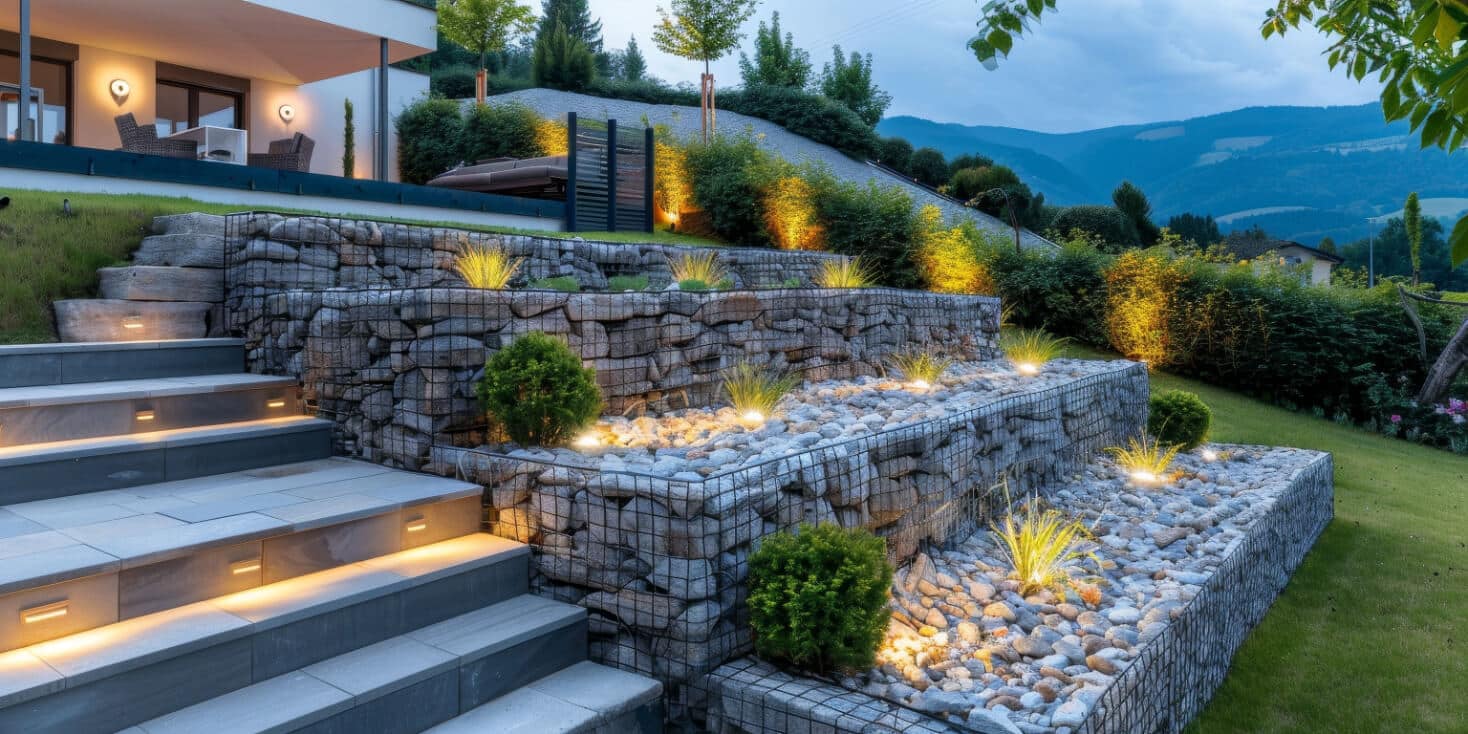
Strategic hardscaping elements like stone walkways, retaining walls, and firepits enhance both functionality and visual appeal.  A firepit’s price range from $300 to $1,400 offers a 56% return on investment, which serves as an attractive central point for outside social events.

Outdoor Lighting

landscaping projects

Outside lighting serves to improve both outdoor beauty along property protection measures. The installation costs between $3,500 and $4,500 generate, on average, a 59% ROI for outdoor lighting, which makes it a basic yet effective solution for enhancing nighttime courtyard appeal and extending usable space-time.

Privacy Enhancements

The right placement of trees together with shrubs functions as natural privacy barriers that attract prospective buyers. Mature trees located in residential properties boost market value by $1,000 to $10,000 while providing energy savings equivalent to 25% on heating and cooling expenses.

Smart Irrigation Systems

Sprinkler system installation costs between $1,600 and $10,000 result in an ROI of 83% while delivering superior homeowner satisfaction. These systems ensure consistent landscape health while conserving water through smart technology.

Seasonal and Year-Round Color

Year-round visual appeal in landscaping depends on selecting plants which display interest in each season. Modern landscaping approaches often layer different plant types to maintain visual appeal regardless of season.

Mistakes to Avoid When Landscaping for Home Value

landscape improvements

Over-customization

Property value potentially decreases when homeowners develop too specialized garden designs which do not align with the local resident market. Property values increase more when buyers find the landscaping design attractive to a wide range of potential homeowners.

High-maintenance Landscaping

Swimming pools together with ponds and water features typically work against buyers because they raise concerns about maintenance work and security issues. Also, check that artificial grass for landscaping suits your climate zone and neighborhood regulations before installation.

Ignoring Local Climate

The landscape that mismatches the regional climate creates a visual discord that indicates possible upkeep problems for potential buyers.  The best landscaping approach involves using natural conditions instead of fighting against them to achieve optimal appeal.

Making Smart Landscaping Decisions

Now that you know how much does landscaping increase home value, a well-executed landscaping plan is important.  The key is balancing immediate visual impact with long-term functionality and maintenance considerations.  Homeowners should choose established return-oriented projects and projects with broad market appeal in order to boost property value and quality of life.

Does landscaping increase value of homes consistently? Yes, when you make thoughtful choices aligned with buyer preferences and regional norms. By focusing on high-ROI projects and avoiding common pitfalls, your landscape improvements can significantly enhance both your enjoyment of the property and its eventual resale value.
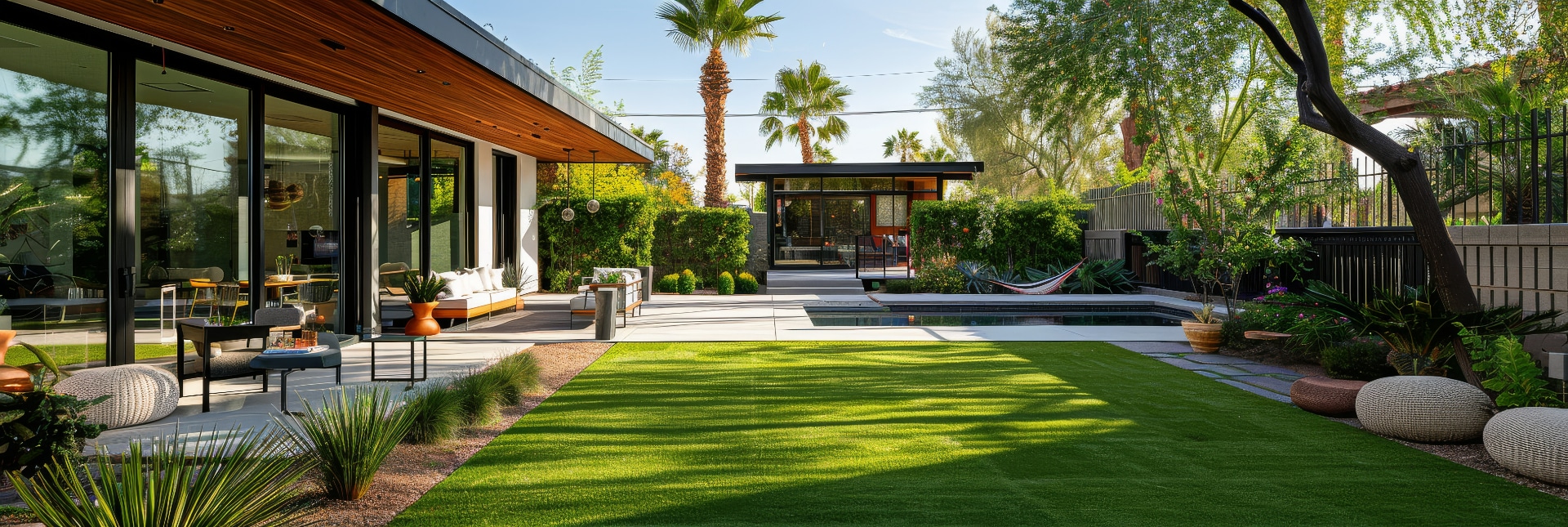
Modern Landscaping with Artificial Grass

Modern landscaping is about clean lines, minimal upkeep, and a lawn that looks intentional rather than accidental. Artificial grass fits that vision better than natural turf ever could, since it holds a uniform color and texture year round without mowing, watering, or patchy dead spots breaking up the design.

At Festival Turf, we’ve helped homeowners and designers across the Sun Belt build modern outdoor spaces where synthetic turf does the heavy lifting: sharp borders against concrete, consistent color next to steel accents, and a lawn that never needs to recover from a hot summer.

Why Artificial Grass Works for Modern Landscaping?

Modern landscaping depends on consistency. A lawn that browns in patches or grows unevenly breaks the clean look the whole design is built around. Artificial grass solves that at the root: no dead spots, no mowing lines, no seasonal color shift.

It also holds up to the hardscape-heavy style modern designs favor. Concrete, steel, and stone don’t move or fade, and your lawn shouldn’t either. A shorter, uniform-pile product reads as more architectural next to those materials, while a longer, more textured blade can look out of place against sharp lines.

Applications of Artificial Grass

modern landscape design

Artificial grass has redefined how we approach modern landscaping, offering versatile applications for a wide range of spaces. Its adaptability allows it to enhance both functionality and beauty in innovative ways.

Residential Landscaping

In residential spaces, artificial grass creates lush, low-maintenance lawns perfect for the front yard or backyard. It’s ideal for families who want safe, clean play areas for kids or pet-friendly spaces that stay green year-round.

Artificial turf pairs well with artificial grass edging, creating sharp, clean lines that elevate curb appeal and bring cohesion to any landscape design.

Modern Landscaping in Drought-Driven Markets

Modern design and water restrictions are pushing homeowners toward the same answer in Sun Belt cities. In Las Vegas, tightening water rules are reshaping how yards get built, and artificial grass is often the only way to keep a clean, green modern lawn without violating local limits. San Diego homeowners are seeing the same shift, where switching to synthetic turf is showing up directly in water bill savings.

A modern landscape built around artificial grass isn’t just a style choice in these markets. It’s often the only design that stays green year round without running into a restriction.

Commercial and Public Spaces

Businesses and public areas benefit from artificial grass’s durability and aesthetic value. From office courtyards to shopping center walkways, it provides a polished look without the upkeep.

In parks or urban settings, it integrates effortlessly with elements like fire pits or seating areas, creating inviting and functional outdoor spaces.

Sports Facilities

Artificial turf offers an even, durable surface ideal for sports fields and recreational areas. Its resilience ensures consistent performance for activities ranging from soccer to tennis. This makes it a preferred choice for modern landscape design in athletic spaces, ensuring both practicality and visual appeal.

Urban and Indoor Applications

Artificial grass thrives in creative urban settings, such as rooftop gardens, patios, or indoor recreational areas. It adds a touch of greenery where natural grass is impractical, making it a go-to solution for innovative landscape ideas that prioritize aesthetics and functionality.

For versatile and durable solutions, explore our range of artificial grass products designed to transform your outdoor and indoor spaces.

Design Tips for Turf

modern landscaping ideas

Maximize the potential of artificial grass with these practical design ideas:

  • Match the Pile to the Look. A short, uniform pile reads as architectural and modern. A longer, more textured blade reads as lush and traditional. Pick based on the aesthetic you’re building, not just budget.

    Let Hardscape Do the Framing. Pair turf with poured concrete, large-format pavers, or steel edging to create the sharp borders modern design depends on. The turf should look intentional, not like leftover lawn space.

    Keep the Plant Palette Minimal. One or two drought-tolerant species, repeated rather than mixed, keeps the eye on the clean lines instead of a cluttered garden bed.

    Add One Focal Feature, Not Several. A single fire pit, water feature, or sculptural planting reads as intentional. Three or four competing features reads as busy, which works against the modern aesthetic entirely.

For tailored advice, contact our artificial grass specialists to bring your vision to life.

Future Trends and Innovations

Artificial grass continues to evolve, redefining modern landscaping with innovative solutions that enhance sustainability and functionality. From cutting-edge materials to smart integration, these trends are shaping the future of outdoor spaces.

  • Technological Advancements
    Innovations like temperature-regulating turf and eco-friendly materials are making artificial grass more adaptable to various modern landscape design ideas, ensuring both comfort and sustainability.
  • Integration with Smart Landscaping
    The inclusion of smart systems such as automated irrigation and self-cleaning technologies streamlines maintenance, aligning perfectly with modern landscaping ideas for efficient outdoor living.
  • Regulatory and Environmental Developments
    Increasing focus on recyclable materials and environmental standards ensures artificial grass remains a sustainable choice for eco-conscious modern landscaping designs.

FAQs

Does modern landscaping use real or artificial grass?

Both appear in modern designs, but artificial grass is increasingly the default in drought-prone climates since it holds the clean, uniform look modern design depends on without the upkeep or water use of natural turf.

What plants pair well with artificial grass in a modern yard?

Drought-tolerant species with strong architectural shapes work best: agave, ornamental grasses, and succulents. Keep the palette to one or two species repeated throughout rather than a mixed garden bed.

How much does a modern artificial turf landscape cost?

Cost depends on square footage, product choice, and any hardscape work paired with the install. Order a free sample to compare products before requesting a quote for your specific space.

Does artificial grass hold up in a Sun Belt climate?

Yes, UV-stabilized turf is built for the sun exposure and heat that make natural grass difficult to maintain across Las Vegas, Phoenix, and the rest of the Sun Belt, without fading or breaking down the way untreated products can.

Artificial grass is more than a practical solution; it’s a reflection of how outdoor spaces can embrace innovation while staying visually striking. It symbolizes the shift toward sustainable, modern outdoor living, where functionality meets creativity. By blending technology, design, and environmental care, artificial grass is shaping landscapes that are not just low-maintenance but also inspiring and future-ready.

Mastering the Challenge: How to Landscape a Sloped Backyard for Maximum Impact

Designing a sloped backyard is an exciting chance to reimagine your outdoor space. You can create a practical and visually appealing yard with thoughtful slope landscaping techniques.

Learn how to landscape a sloped backyard and turn obstacles into opportunities.

What is a Sloped Backyard Makeover?

slope landscaping

A sloped backyard makeover focuses on overcoming challenges unique to uneven terrain, like stability and water runoff, while enhancing functionality and beauty. Techniques such as backyard terracing add structure and visual depth, creating defined levels for planting or outdoor activities.

By incorporating creative sloped backyard ideas like winding pathways or retaining walls, you can balance style with practicality. Addressing essential concerns like erosion control solutions and water management ensures your design remains sustainable over time. Strategic use of slope-friendly plant selection further stabilizes the soil and enriches the yard’s natural charm.

How to Landscape a Sloped Backyard?

The landscaping of a sloped backyard can transform a difficult area into a functional and attractive outdoor space. Slopes can create depth and character in your garden, but you must also plan your landscape to deal with stability, erosion, and water flow. Below are steps on how to landscape a sloped backyard efficiently.

Assessing the Terrain

Before you make design decisions, it is important to consider the slope’s specific characteristics. Understanding the terrain will help you create an enduring foundation for your project and avoid problems in the long run.

Evaluate Slope Degree

The slope’s steepness determines the kind of landscaping that works best. The gentle slopes are perfect for seating, gardens, and seating areas, whereas steeper slopes, such as retaining walls, might require greater structural support.

Measure the slope’s angles using tools such as an inclinometer or a level. This measurement will help you make decisions about landscaping hillsides for aesthetics and stability.

Soil Type and Drainage

The quality of soil is an important aspect of slope landscaping. Moist soils will provide enough water for plants, whereas sandy soils drain too fast, making them susceptible to erosion.

Examine your soil to determine its composition and modify it according to the needs of compost or other organic material. A proper drainage system is essential. If you notice that water is accumulating near the base of the hill, you should install French drains or swales to allow runoff to flow away.

Design Techniques for Maximum Impact

The transformation of a sloped backyard requires creative ways to make it attractive and functional. With smart design and innovative ideas, you can redefine what to do with sloped backyard areas.

Terracing for Stability and Aesthetics

landscaping ideas for sloped yard

Terracing is among the most effective methods of maintaining a slope. By dividing the slope into flat areas, you can create the space needed for patios, gardens, or pathways.

Create retaining walls with stones, cement, or even timber to create a sturdy structure that is seamlessly integrated with the natural surroundings. Adding artificial grass between pavers on terraces will improve functionality and decrease maintenance.

Incorporating Multi-Level Pathways

Pathways can add design and functionality to a sloped garden. Switchback pathways, zigzagging upwards or downwards down the slope, are perfect for steep inclines as they aid in navigation and minimize erosion.

Use materials such as brick, gravel, and artificial turf for long-lasting and visually appealing paths. Lighting on the pathway can add a sense of security and ambiance, especially in the evening.

Choosing the Right Plants for Sloped Backyards

Plants are crucial for adding color and preventing slope erosion. Picking plants that thrive on slopes ensures your landscape is attractive and sustainable.

Erosion-Control Plants

Deep-rooted plants are ideal for securing soil on steep slopes. Plants like creeping juniper ivy or ornamental grasses can hold on to loose soil, reducing erosion and runoff. Plant groups to fill large areas with ease.

Decorative Plant Arrangements

Blend flowers with plants in layers to create a lively and welcoming design. Mix different plants as well as textures for a visual appeal. Incorporating artificial grass products in areas where plants are struggling to grow will give you a smooth, easy-to-maintenance appearance.

Native and Low-Maintenance Plants

Native plants are suited to the area’s climate and require less water and maintenance. Look into drought-tolerant species such as lavender, yarrow, or succulents to shade sunny slopes. Native ferns and mosses do best in shaded areas and can enhance natural beauty while reducing erosion risk.

Tips for Water Management

The sloped backyards of sloping areas often need help with water, like water runoff and unbalanced water hydration. A properly managed water system will ensure the long-term stability and health of your backyard.

Installing Proper Drainage Systems

In the absence of proper drainage, water may ruin plants and soil. To direct water away from weak areas, French drains or even dry beds for creeks should be installed. Swales, which are shallow, vegetated ditches, can also help redirect water flow and improve the landscape.

Irrigation for Slopes

Slopes require irrigation systems designed to avoid runoff. Drip irrigation is an excellent option that delivers water directly to the roots of plants without the need to saturate the soil. For areas with little vegetation, you can consider installing synthetic turf, which eliminates the need for irrigation while keeping a clean, green appearance.

Factors to Keep in Mind When Planning Sloped Backyard Designs

  1. Accessibility: Add steps or paths to make slopes easy to navigate. Artificial grass edging should be used for clean, low-maintenance borders.
  2. Budget: Slope designs often require higher investment for retaining walls or drainage systems, so plan accordingly.
  3. Sustainability: Opt for native plants, erosion-control measures, and water-efficient options like artificial turf.
  4. Purpose: Define your goals, whether for gardening, entertaining, or relaxing, to tailor the design effectively.

For personalized solutions, contact our artificial turf specialists for expert guidance.

Advantages and Disadvantages of a Sloped Backyard

Advantages

  • Unique Design Potential: Slopes offer dynamic layouts, like terraced gardens or multi-level patios.
  • Natural Drainage: Properly managed slopes reduce water pooling.

Disadvantages

  • Erosion Risks: Without stabilization, slopes are prone to runoff.
  • Higher Costs: Structural elements like retaining walls can increase expenses.

To simplify care and enhance functionality, use artificial grass edging and consult our experts by contacting or visiting our Denver artificial turf specialists for tailored recommendations.

Maintenance Tips for Sloped Backyards

  1. Prevent Erosion: Regularly inspect for soil movement or runoff after heavy rain. Add mulch or ground cover plants to stabilize exposed areas.
  2. Check Drainage Systems: Ensure that French drains, swales, or other water management solutions remain debris-free to prevent blockages.
  3. Trim and Prune Regularly: Keep plants, shrubs, and trees well-maintained to avoid overgrowth and improve slope stability.
  4. Reinforce Structures: Periodically inspect retaining walls or terraces for cracks or signs of wear and address any issues promptly.
  5. Simplify Maintenance: Use artificial turf to eliminate mowing on steep inclines, and consider artificial grass edging for a neat, low-maintenance finish.

Overcoming the Challenges of Sloped Backyards

A sloped backyard offers a unique opportunity to embrace nature’s challenges and turn them into standout features. Beyond aesthetics, these landscapes encourage innovative thinking, blending form and function in ways that flat yards cannot achieve. By addressing slope-specific concerns like stability and water management, you enhance your yard’s usability and create a space that evolves beautifully over time.

The key to success lies in understanding your slope’s potential and treating it as an asset rather than a limitation. Whether through creative planting, structural designs, or sustainable elements, a sloped backyard can become a dynamic, ever-changing landscape that adds value and charm to your property.

10 Essential Artificial Grass Facts: What You Need to Know

Artificial grass offers a natural-looking lawn that requires minimal maintenance. It can enhance the look and feel of any outdoor area, whether it’s a small balcony or a large backyard. It’s perfect for families with children and pets. It’s beautiful, durable, weather-resistant, and easy to clean.

Let’s explore the essential facts about artificial grass.

Artificial Grass Mimics the Look and Feel of Natural Grass

We can’t start our list of artificial grass facts without highlighting how natural it looks. You might have wondered whether or not artificial grass looks fake. If you haven’t seen one before, we understand.

Advanced manufacturing techniques create synthetic grass blades that resemble natural grass in color, shape, and density. Without compromising the appearance and texture that many adore about natural lawns, artificial grass offers a long-lasting substitute. Additionally, synthetic fibers provide a soft, springy surface; they replicate the feel of natural grass underfoot.

Low-maintenance Solution for Busy Homeowners

Artificial grass is your dream solution if you have limited gardening skills or don’t have enough time to care for a natural lawn. Have it installed and enjoy its natural look with minimal maintenance.

Artificial grass stays green throughout the year without the need for mowing. You only need to brush your artificial grass periodically to keep it looking its best and prevent matting. Plus, rinse your artificial grass with a hose to remove dirt and debris.

Worried about heavy rainfall? One of the top benefits of artificial grass is its drainage system. It ensures water flows through the surface quickly, prevents puddles, and keeps the area dry and usable, even after heavy rainfall.

For a wide range of high-quality artificial grass products, check out the options available from trusted suppliers.

Artificial Grass Is Durable and Long-Lasting

Artificial grass is made from synthetic fibers like polyethylene, which is highly resistant to wear and tear. These fibers are designed to withstand heavy foot traffic, UV radiation, and extreme weather conditions. As a result, artificial grass remains lush and green throughout the year. It doesn’t brown, wither, or require constant watering and mowing.

It already sounds like a great option, even without reading the other synthetic grass facts we’ve combined here. But keep reading for more!

Environmentally Friendly with Lower Water Usage

You might be wondering how synthetic grass can be artificial and environmentally friendly. Well, this list of synthetic grass facts is just getting more interesting. Let’s explain the reason.

Artificial grass is a great way to save water and reduce pollution. It doesn’t need to be watered often, which is especially important in places where water is scarce. Once you install artificial grass, you don’t have to worry about mowing, watering, or using harmful chemicals like fertilizers and pesticides, making it an environmentally friendly option. An artificial grass company can help you choose the right product to match your space and needs.

Safe for Children and Pets

Artificial grass is easy to handle and a safe and fun option for children and pets. It’s made from non-toxic materials, so you don’t have to worry about harmful chemicals like lead or BPA. This means kids and pets can play freely without any risk. It’s also soft and comfortable. It feels great on bare feet and paws, making it a perfect surface for playgrounds and backyards. Using artificial grass, you can create a safe outdoor area for everyone.

We’re halfway through our list of the most important facts about artificial grass. Now it’s time for the next one.

Cost-Effectiveness Over the Long Term

Artificial grass is becoming popular for homeowners and businesses because it’s a cost-effective alternative to natural grass. While the initial installation cost might seem high, it pays off in the long run.

One of the most important benefits of artificial grass is its low maintenance costs, which can save you a lot of time and money over the years. Artificial grass is also very durable and lasts 15 to 20 years. It’s perfect for areas with harsh weather conditions, as it can withstand extreme heat, cold, and rain without losing its vibrant green color.

facts about artificial grass

Reduces Allergens in Outdoor Spaces

This could be the most important among other artificial grass facts if you’re allergic. Artificial grass can help reduce allergies. Unlike natural grass, it doesn’t produce pollen, mold, or dust, which can trigger allergic reactions.

Customizable and Versatile Design Options

Artificial grass isn’t just for lawns. It can be used in many places, like patios, sports fields, rooftops, and indoors. You can use artificial grass to create unique designs for your business or home. It’s also popular for events and decorations; it’s an attractive option for trade shows, parties, and weddings.

Another interesting use of fake grass is for wall installations and vertical gardens. These are great ways to bring greenery into indoor or urban spaces without needing sunlight or constant care.

Artificial Grass Can Be Recycled

Among the most important facts about artificial grass is recycling. Modern artificial grass can be recycled, making it an eco-friendly choice. Many manufacturers produce turf that can be recycled into new products. When choosing synthetic turf, ask your supplier about environmentally friendly options that prioritize sustainability and recycling.

Artificial grass can also help reduce urban heat islands. By eliminating the need for gas-powered lawn equipment and reflecting heat more effectively than traditional materials like concrete and asphalt, artificial turf can help keep outdoor spaces cooler.

Suitable for All Climates and Weather Conditions

Artificial grass can thrive in any environment, unlike natural grass, which struggles in harsh conditions. Synthetic grass maintains its color and quality year-round, regardless of extreme heat or cold. Professional turf installers can incorporate drainage systems to prevent waterlogging and damage during heavy rainfall.

Practical and Eco-Friendly Choice

In summary, the above-mentioned artificial grass facts prove that it offers a beautiful, low-maintenance alternative to natural lawns. It saves time, money, and water, making it a practical and eco-friendly choice.

Artificial turf provides a safe, comfortable space for children, pets, and various activities.

For tailored advice and assistance, contact our fake grass specialists today and transform your outdoor space.


Can You Put Artificial Grass Next to Real Grass?

When combining artificial grass next to real grass, it’s important to think about how they’ll work together in your yard. You may wonder, can you put artificial grass next to real grass and what benefits or challenges this brings. In this article, we’ll cover the pros and cons, the installation process, and key tips to help you achieve a smooth blend of natural lawn and fake lawns. You’ll also learn how to avoid common mistakes when mixing fake grass with natural turf and how to ensure everything looks and functions well together.

By the end, you’ll know what to consider, from the installation process to how to create an attractive yard with both artificial lawns and natural grass.

Can You Lay Artificial Grass Next to Real Grass?

Yes, you can lay artificial grass next to real grass. Many homeowners choose to mix artificial turf next to real grass because it gives them the best of both worlds, low maintenance from fake lawns and the natural feel of natural grass.

The key is to plan the installation process carefully. When you place artificial turf next to real grass, it’s important to think about the border or edging to create a clean and seamless look. You’ll also want to make sure both types of grass blend visually and function well together, especially in areas where you’ll be walking or playing.

Blending fake grass with a natural lawn can add versatility to your yard, but there are some factors to consider, like how to keep the grass next to real grass healthy and looking good. With proper planning, you can successfully combine natural and artificial elements in your yard for a long-lasting and attractive landscape.

The Pros and Cons of Mixing Artificial and Natural Grass

When you mix artificial grass next to real grass, there are both advantages and disadvantages. Understanding these can help you make the right choice for your yard.

Pros

  • Low Maintenance Areas: One of the biggest benefits of artificial turf next to real grass is the low maintenance required for the artificial part. You won’t need to water, mow, or fertilize the fake lawns, which saves you time and effort. This can be especially useful in areas of your yard that are harder to maintain, like shady spots where natural grass struggles to grow.
  • Consistent Green Appearance: Artificial lawns remain green and lush all year long, no matter the weather. This is a big plus compared to natural grass, which can turn brown or patchy during droughts or extreme weather. By adding fake grass next to your natural lawn, you’ll always have at least part of your yard looking its best.
  • Durability in High-Traffic Areas: Artificial turf is highly durable and can withstand heavy foot traffic, making it perfect for areas where kids or pets play. Placing artificial turf next to real grass in high-use zones ensures those areas stay in great condition, while the surrounding natural lawn adds a more natural feel.

Cons

  • Potential Challenges in Blending Visually: While it’s possible to lay artificial grass next to real grass, making the two blend seamlessly can be tricky. The texture and color of fake grass can be different from natural turf, which may create a noticeable difference. Choosing the right type of artificial grass that closely matches your natural lawn can help minimize this issue.
  • Maintenance Differences Between the Two: Artificial grass requires much less maintenance than real grass, but this also means you’ll need to manage two different care routines. While the fake lawns stay green without much effort, your natural grass will still need watering, mowing, and fertilizing. Balancing these maintenance tasks can take some planning.
  • Installation Complexities: The installation process for combining artificial grass next to real grass can be a bit more complex. You’ll need to carefully prepare the ground and ensure proper drainage for both types of grass. Laying a solid foundation for the artificial turf and making sure it doesn’t affect the natural lawn requires some professional planning.

By considering both the pros and cons, you can decide if mixing artificial grass next to real grass is the right choice for your yard, giving you the benefits of both types of grass.

The Versatility of Combining Artificial Grass with Natural Grass

Mixing artificial grass next to real grass allows for a versatile and practical landscape. This combination can suit different needs, whether for low-maintenance areas, pet zones, or play areas. Here’s how this blend can transform your yard.

Gardens and Biodiversity

When you mix artificial turf next to real grass, it creates a low-maintenance solution while still promoting garden biodiversity. Artificial grass can be used in areas that are difficult to maintain, while natural grass helps create a more natural feel. This balance offers a lush, green look without constant care.

  • Easy-to-manage zones: Placing artificial grass in parts of the garden that are hard to reach or maintain can save time.
  • Biodiversity: Keeping sections of natural grass ensures that your yard can support plants and wildlife, providing a habitat for bees, butterflies, and other garden visitors.

For more options, explore the types of artificial grass available to find the best match for your landscape.

Practicality

Placing artificial grass next to real grass is a practical way to reduce yard maintenance while keeping it looking great. Artificial turf requires minimal upkeep, making it ideal for busy homeowners.

  • Less mowing and watering: While your natural grass may need regular attention, the artificial lawns will stay green without constant mowing or watering.
  • Perfect for tough areas: Whether it’s a spot where natural grass struggles to grow or an area exposed to a lot of foot traffic, artificial turf provides a durable solution.

This mix of natural lawn and artificial turf ensures you get the best of both worlds—beauty and convenience.

Durability

Combining artificial turf next to real grass also adds durability to high-traffic areas. Artificial lawns can handle wear and tear better, especially in play areas or walkways.

  • High-traffic zones: Use artificial turf in places that see heavy use, such as pathways, patios, or areas around playgrounds.
  • Weather-resistant: Artificial grass stays green and intact through harsh weather conditions, unlike natural lawns, which may suffer during extreme heat or droughts.

If you need help creating clean divisions between your artificial turf and natural grass, consider using artificial grass edging to ensure everything looks neat and well-organized.

Play Area

Families with children can benefit from combining artificial grass next to real grass for play areas. The soft surface of artificial turf provides a safe, cushioned area for kids to play, while the natural grass adds a traditional, natural touch to the yard.

  • Durable and safe: Artificial grass is highly durable and stays intact even with rough play, while offering a soft, child-friendly surface.
  • Balanced design: Keep natural grass in less-used areas for a balanced look, while using artificial turf where durability is needed.

Pet Zones

For pet owners, having artificial grass next to real grass is a great solution. Artificial turf is easy to clean and stands up to pet activity, while natural grass provides a space for pets to enjoy nature.

  • Easy maintenance: Artificial grass doesn’t get muddy, and it’s easy to clean after pets. This makes it perfect for areas where pets spend a lot of time.
  • Natural experience for pets: Keep a section of natural grass for a more natural feel, while using artificial turf to maintain a neat and easy-to-clean yard.

This combination of artificial and natural grass creates a functional, low-maintenance space that works for the whole family, pets included.

Key Considerations Before Installation

When installing artificial grass next to real grass, it’s important to consider a few key factors to ensure your project is successful. By addressing these points before installation, you’ll be able to create a yard that looks great and functions well.

Drainage and Water Flow

Proper drainage is essential when combining artificial turf next to real grass. Without good drainage, water can pool on the artificial turf, leading to issues like mold or unpleasant odors.

  • Create a drainage plan: Ensure that water flows smoothly through both the artificial turf and natural grass areas. You may need to install a drainage system under the artificial grass to help water move away from the surface.
  • Avoid pooling: Poor water flow can cause puddles to form on the artificial turf, especially during heavy rain, so make sure both types of grass have proper drainage.

Soil Compatibility

The soil beneath your natural grass and the base for your artificial turf are different, and it’s important to prepare them correctly.

  • Firm base for artificial grass: Artificial turf requires a compact and level base, usually made of sand or gravel, to prevent shifting or sinking.
  • Healthy soil for natural grass: On the other hand, natural grass needs nutrient-rich soil that drains well and supports healthy root growth.

Proper soil preparation ensures both types of grass work together without issues.

Temperature Differences

When you install artificial grass next to real grass, be mindful of the temperature differences between the two surfaces. Artificial turf tends to heat up more than natural grass, especially in direct sunlight.

  • Shading solutions: Consider placing trees or shade structures near the artificial turf to help keep it cool.
  • Cool materials: Using lighter colors for walkways or adding plants around the artificial grass can help manage heat and create a more comfortable space.

Maintenance Requirements

Though artificial turf is low-maintenance, you’ll still need to care for the natural grass portion of your yard. This difference in upkeep requires planning to ensure both areas stay in good condition.

  • Low-maintenance artificial turf: The artificial lawn won’t need regular watering or mowing, making it ideal for reducing overall yard work.
  • Regular care for natural grass: However, your natural grass will still need watering, mowing, and occasional fertilizing to stay healthy.

Balancing these maintenance needs is key to keeping your yard looking its best. For expert guidance on how to install and maintain your mixed lawn, feel free to contact our artificial grass specialists. They can help you plan and execute a successful project.

How to Achieve a Seamless Blend?

Combining artificial grass next to real grass can create a beautiful, functional yard, but making the transition between the two look seamless takes careful planning. Here are some techniques to ensure both types of grass blend smoothly and some common mistakes to avoid.

Visual Transition Techniques

Creating a natural flow between artificial turf next to real grass requires attention to detail. The goal is to make the two surfaces look like they belong together rather than creating an obvious separation.

  • Use matching colors and textures: Choose artificial grass that closely matches the color and texture of your natural lawn. This makes the transition less noticeable, and the two types of grass will blend more easily.
  • Create a soft edge with plants: Adding low-growing plants or shrubs along the edge where the artificial turf meets the natural grass can soften the divide and create a more natural look.
  • Use proper edging: Installing artificial grass edging helps create a clean, defined border between the two. This will prevent your natural grass from creeping into the artificial turf and keep both areas looking neat.

Common Mistakes to Avoid

When laying artificial turf next to real grass, it’s easy to make some mistakes that can disrupt the appearance or functionality of your yard. Avoiding these will help you achieve a seamless blend.

  • Neglecting drainage: One of the biggest mistakes is ignoring proper drainage. Artificial grass needs a well-planned drainage system, as it doesn’t absorb water like natural grass. Failing to install this can result in water pooling on the artificial turf.
  • Choosing the wrong artificial grass: Picking artificial turf that doesn’t match the appearance of your natural lawn can create a sharp, unappealing contrast. Make sure the color and texture are as close as possible to ensure a cohesive look.
  • Skipping edging: Not using proper artificial grass edging can lead to problems with natural grass growing into the artificial turf, making the transition look messy over time.

By following these tips and avoiding common pitfalls, you can successfully combine artificial grass next to real grass for a yard that looks seamless and functions well.

FAQs

Can you put artificial grass right next to real grass?

Yes. The key is matching surface height at the transition point and using edging to separate the two, which prevents mower damage and keeps the line looking clean.

Do I need special edging between artificial and real grass?

Yes, edging is strongly recommended. It protects the turf from mower blades, prevents real grass roots from growing under the turf, and gives the transition a finished look.

Will water drain properly between artificial and real grass?

It can, as long as the transition is planned for it. Artificial turf drains through a perforated base, while real grass drains through soil, so the grading at the seam needs to direct water away from both rather than letting it pool.

Is mixing artificial and real grass more affordable than full turf conversion?

Often, yes. Converting only high-traffic or problem areas to artificial grass while keeping the rest of your lawn natural lowers the upfront cost compared to a full yard conversion.

Conclusion

Combining artificial grass next to real grass can create a beautiful, low-maintenance, and functional yard if planned correctly. We’ve discussed the importance of paying attention to visual transition techniques, such as matching colors and using proper artificial grass edging, to ensure a smooth blend. Additionally, considering practical aspects like drainage and maintenance requirements is crucial to avoid common issues.

By taking the time to plan both the appearance and functionality, you can successfully answer the question, can you put artificial grass next to real grass? The answer is yes, but with careful preparation and attention to detail, you can create a yard that combines the best of both worlds, durability and natural beauty.

Types of Artificial Grass: Which Is Right for You?

There are three main types of artificial grass by material (polyethylene, polypropylene, and nylon), three types by fiber structure (monofilament, slit-film, and curled thatch yarn), and seven types by application, from residential lawns to putting greens, pool surrounds, and event turf. The right choice depends on where the turf goes, who’s using the space, and how much wear it needs to survive.

This guide breaks down every type of artificial grass, what it’s actually made of, and which use case it fits best. Use the comparison table below for a quick answer, or keep reading for the full breakdown.

Artificial Grass Types at a Glance

Type Material Fiber Style Typical Pile Height Best For
Landscape turf Polyethylene Monofilament 1.5″ to 2″ Residential lawns, backyards
Pet turf Polyethylene, polyurethane backing Monofilament 1.25″ to 1.65″ Dog runs, yards with pets
Putting green turf Nylon or polypropylene blend Slit-film, textured Under 0.75″ Golf greens, short-game practice
Playground turf Polyethylene Monofilament with thatch 1″ to 1.5″ Play areas, daycares, parks
Pool turf Polyethylene Monofilament 1″ to 1.5″ Pool decks, patios
Sports and event turf Nylon or polyethylene blend Slit-film, dual-fiber 0.75″ to 1.5″ Athletic fields, festivals, temporary installs
Commercial and decorative turf Polypropylene Fibrillated Under 1″ Rooftops, low-traffic display areas

Types of Artificial Grass by Material

Every type of artificial grass starts with one of three base materials. Each has a different balance of softness, durability, and cost.

Polyethylene

Polyethylene is the most common material in landscape turf, and for good reason. It has a soft, natural feel underfoot, resists UV fading, and holds up well in both high heat and heavy foot traffic. It’s the material behind most residential lawns, pet areas, and playground turf because it balances realism with durability.

Polypropylene

Polypropylene is the most budget-friendly option. It has a softer feel than nylon but flattens more easily under pressure and performs worse in extreme heat, which makes it a better fit for low-traffic or decorative spaces like rooftop displays than for a backyard that sees daily use.

Nylon

Nylon holds its shape under heavy use and extreme temperatures, which is why it shows up most often in putting greens and sports applications. That strength comes with a stiffer feel and a higher price point, so it’s rarely the right call for a soft residential lawn.

Blended Turf

Blended or mixed-fiber turf combines two materials, most often nylon and polyethylene, to balance the durability of one with the softness of the other. It’s a middle-ground option for spaces that need to handle real wear and tear without feeling harsh underfoot.

Fiber Structure: The Type Most Guides Skip

Material is only half the story. How the individual fibers are shaped changes how the artificial grass looks, drains, and performs, and it’s a distinction most buying guides leave out entirely.

Monofilament fibers are single, rounded blades that stand upright, the same way real grass blades do. This is what gives landscape and pet turf their natural look and consistent ball roll on putting greens.

Slit-film fibers are wider, flatter ribbons that are often crosshatched together. They’re built to encapsulate infill and absorb heavy impact, which makes them common in sports and high-traffic commercial turf.

Curled or textured yarn is added as a thatch layer beneath the main blades to mimic the look of dead grass at the base of a real lawn. It adds realism to landscape turf and isn’t typically used on putting greens or sports fields, where a cleaner surface matters more than appearance.

Knowing the fiber structure matters as much as knowing the material. A polyethylene turf with monofilament fibers and one with slit-film fibers can look and perform very differently, even though they’re technically the same base material.

Backing and Drainage

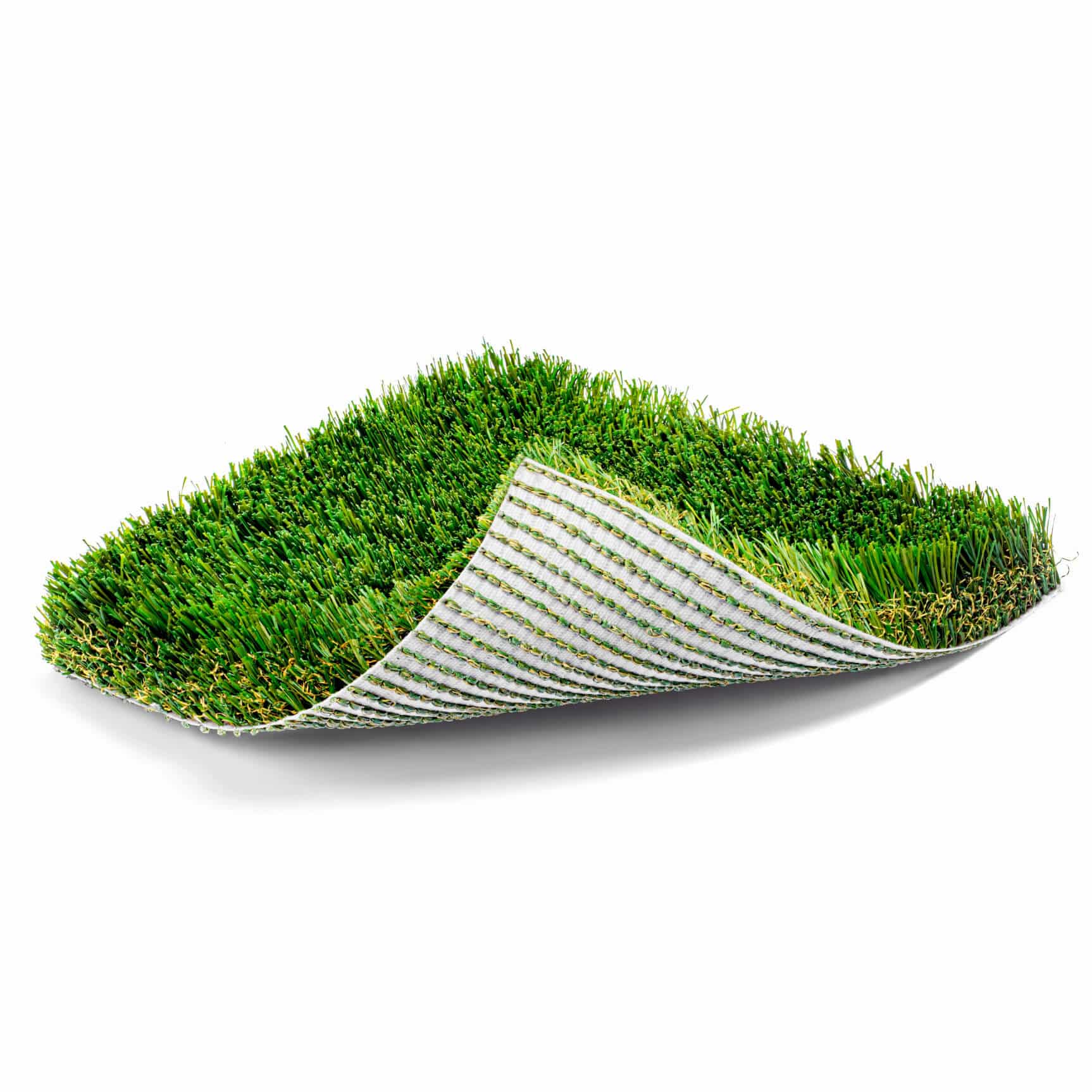
The backing is the part of artificial grass most buyers never think about until something goes wrong, usually odor. Quality turf has two backing layers: a primary woven layer the fibers are stitched into, and a secondary layer that seals everything in place.

Tpes of artificial grass: Hydro Luxe for drainage

That secondary layer is where material choice matters most. Latex backing is common in lower-cost turf, but it traps odor, which becomes a real problem in pet areas over time. Polyurethane backing doesn’t hold onto odor the same way, which is why it’s the standard across Festival Turf’s pet-suitable product lines.

Drainage rate is the other backing-related spec worth checking. Look for a perforated backing that drains at 40 inches per hour or more per square yard. That’s fast enough to clear a pool deck minutes after a swim or handle a monsoon downpour without pooling. Pairing the right backing with the right infill matters just as much, especially in pet and high-moisture areas where odor control is the priority.

Types of Artificial Grass by Application

Material and fiber structure tell you what the turf is made of. Application tells you where it belongs.

Residential and Landscape Turf

Types of artificial grass: residential turf

This is the type most homeowners picture: a soft, realistic polyethylene lawn built for everyday use across a backyard, front yard, or side lot. It should hold up to moderate foot traffic, stay cool enough to walk on barefoot, and drain quickly after rain.

Pet Turf

Pet turf needs a shorter pile height for easier waste cleanup, a polyurethane backing that won’t trap odor, and fast drainage to handle repeated use in the same spots. Antimicrobial infill options add another layer of odor control for households with multiple dogs.

Putting Green Turf

Putting Green Turf

Putting green turf uses a short, dense pile, often nylon or a nylon blend, to replicate true ball roll. Pile height typically stays under three-quarters of an inch, since anything longer slows the ball down and looks less like a real green.

Playground Turf

Safety comes first with playground turf. A cushioned pad underneath the turf absorbs impact from falls, and a soft, non-abrasive polyethylene blade keeps skin safe during active play. Good drainage also means the surface is usable again minutes after rain.

Pool Turf

Turf around a pool needs to resist chlorine, drain fast, and stay slip-resistant when wet. A shorter pile height keeps the surface comfortable barefoot while standing up to constant splash exposure.

Sports and Event Turf

Athletic fields need slit-film or dual-fiber turf built to handle cleats, sliding, and constant impact. The same durability profile makes this category the right fit for temporary event installations, from festival grounds to activation spaces, where the surface has to survive a weekend of heavy foot traffic without matting down.

Commercial Turf

Schools, gyms, hospitals, rooftops, and even memorial spaces each have different demands, but they share a need for low maintenance and consistent appearance at scale. Rooftop and decorative commercial spaces can often use a lighter, more budget-friendly polypropylene, while high-traffic commercial areas need the same durability standards as residential landscape turf. Festival Turf supplies dedicated product lines for schools, gyms, hospitals, and rooftop installations.

Certifications and Sustainability

Not all artificial grass is manufactured to the same standard. Festival Turf products are REACH, RoHS, and PAHs certified, meaning they’re tested against strict limits on heavy metals and harmful substances, and every product line is 100% recyclable at the end of its life. With proper care, artificial grass typically lasts 20 to 25 years, which means significantly less water use, no mowing, and no fertilizer or pesticide runoff over the life of the product compared to a natural lawn.

How to Choose the Right Type for You

Homeowners should start with polyethylene landscape turf and decide on pile height based on how the space will actually be used day to day, not just how it looks in photos.

Pet owners should prioritize polyurethane backing and a shorter, denser pile over anything else. Odor control and drainage matter more here than in any other category.

Event planners and commercial buyers need turf that can be installed, used hard for a short window, and hold its appearance the entire time, which points toward slit-film or blended sports-grade turf.

Contractors buying in bulk need consistent inventory and specs they can rely on project after project, which is where a supplier with deep stock and standardized product lines matters more than a one-off retail purchase.

Frequently Asked Questions

What is the best type of artificial grass for dogs?

Polyethylene turf with a polyurethane backing and antimicrobial infill is the best option for dogs. The shorter pile height makes cleanup easier, and the backing won’t trap urine odor the way latex does.

Is nylon or polyethylene better for a backyard lawn?

Polyethylene is better for most backyard lawns. It has a softer, more natural feel underfoot, while nylon is stiffer and better suited to putting greens and sports turf where durability matters more than comfort.

What’s the difference between artificial turf and synthetic grass?

There’s no functional difference. Artificial turf and synthetic grass are two names for the same product category, though “turf” is used more often for sports and commercial applications and “grass” more often for residential lawns.

How long does artificial grass last?

Properly maintained artificial grass typically lasts 20 to 25 years. Festival Turf backs every product with a 15-year warranty covering fading, workmanship, and materials.

Can I see the different types before I buy?

Yes. Festival Turf ships free samples so you can feel the material, pile height, and backing in person before ordering.

Which Type Is Right for Your Space?

Choosing the right type of artificial grass comes down to how you’ll use the space, your local climate, and your budget. Whether you need pet-friendly turf for a backyard, a nylon putting green surface, or a polyethylene lawn for the kids, Festival Turf carries the largest synthetic turf inventory in the US with a lowest price guarantee and a 15-year warranty on every product.

Not sure which type fits your space? Order free samples and feel the difference before you buy, or contact our team for personalized guidance.

Pricing Guide: How Much Does Artificial Grass Cost?

Artificial grass material costs between $2 and $10 per square foot depending on turf type and quality, before installation. If you hire a professional to install it, national averages for material and labor combined run $10 to $22 per square foot as of 2026, according to industry cost data. This guide breaks down what drives that range, what it costs to install it yourself instead, and the real savings that make artificial grass pay for itself over time.

Factors Influencing Artificial Grass Cost

When planning to install artificial grass, it’s essential to understand what influences the overall cost. Here are the key factors that will affect your budget:

Type of Artificial Grass

The type of turf you select is a significant factor in the cost of artificial turf. There are various types, from basic synthetic options to high-quality synthetic turf that closely resembles natural grass. Generally, the more realistic and durable the turf, the higher the price. Choosing the right type of turf based on your needs and preferences will help you manage costs effectively.

Quality of Materials

The quality of materials used in manufacturing the turf also plays a crucial role. High-quality artificial turf made from durable, UV-resistant fibers tends to last longer and look better, but it comes with a higher price tag. While cheaper materials might seem like a good deal initially, they often wear out faster, leading to increased overall costs over time.

Professional Installation Cost

If you hire a licensed contractor, expect to pay for labor, site prep, and materials together. Based on 2026 industry pricing data, professionally installed artificial grass runs $10 to $22 per square foot nationally, with most residential projects landing between $3,000 and $10,000 depending on yard size and site conditions. This figure comes from third-party installation cost surveys, not a Festival Turf quote, since Festival Turf supplies turf, accessories and guides for DIYers.. If you go this route, get quotes directly from a few licensed local contractors so you’re comparing real numbers for your yard, not a national average.

DIY Installation Cost

Installing artificial turf yourself cuts out the labor cost entirely, which is often the largest line item in a professional quote. A DIY project typically costs the material price per square foot plus base materials like crushed rock, weed barrier, and turf nails or adhesive, usually adding $1 to $2 per square foot to the material cost. Festival Turf’s free DIY video series walks through the full process, from base prep to seaming, so a first-time installer isn’t guessing.

Geographic Location

By understanding these cost factors, you can put together a realistic budget for your project. Pricing does shift by market too. In a market like Las Vegas, water restrictions and desert conditions have made artificial grass common enough that material availability and local contractor rates both tend to be more competitive than in newer markets.

Size of the Area

The size of the area you plan to cover with artificial grass is another important factor. Generally, larger areas will lead to higher costs due to the increased amount of materials and labor required. However, cost per square foot may decrease slightly for larger projects, offering some savings on a per-unit basis.

Understanding these factors helps you get a clearer picture of what contributes to the artificial grass cost. By considering the type of turf, quality of materials, installation options, location, and the size of your project, you can better estimate your budget and make informed decisions. Don’t forget to use an artificial grass cost calculator to get a more precise estimate tailored to your specific project needs. 

cost of artificial grass

Possible Costs for Professional Maintenance

While synthetic turf is low-maintenance, you might occasionally need professional services to keep it looking its best. These services can address issues that regular home care might not fully manage, ensuring the longevity and durability of your lawn. 

By understanding these additional costs, you can better plan for the long-term maintenance of your synthetic lawn. This not only helps in budgeting but also ensures your turf remains a durable and attractive feature of your property. For more guidance on caring for your turf, check out our tips on how to clean artificial grass for expert advice.

Artificial Grass vs. Natural Grass: The Real Payback Period

Artificial grass costs more upfront than sod, but the ongoing cost of a natural lawn adds up faster than most people expect. A typical lawn uses roughly 55 gallons of water per square foot per year. For a 1,000 square foot lawn, that’s several hundred dollars a year in water alone, before mowing equipment, fertilizer, and reseeding. At $2.59 per square foot in material cost, a 1,000 square foot Signature Series lawn runs about $2,590 before installation. Depending on local water rates and how much you currently spend maintaining a lawn, that upfront cost is often recovered within five to eight years, and every year after that is close to pure savings, especially with a product built to last 20 to 25 years.

Frequently Asked Questions

How much does artificial grass cost per square foot?

Material alone runs $2 to $10 per square foot depending on turf type and quality. Professionally installed, including labor, the national average is $10 to $22 per square foot as of 2026.

Is artificial grass cheaper than real grass in the long run?

Yes, for most homeowners. Real grass costs less upfront but requires ongoing water, mowing, and fertilizer costs that synthetic grass eliminates. Most homeowners recover the higher upfront cost within five to eight years.

Is it cheaper to install synthetic turf myself?

Yes. DIY installation cuts out labor cost entirely, usually the single largest expense in a professional installation quote. Materials and base prep typically add $1 to $2 per square foot on top of the turf itself.

Does the type of grass affect the price a lot?

Yes. Polypropylene is the most affordable option, polyethylene offers the best balance of cost and durability for most homes, and nylon costs the most but holds up best under heavy traffic and heat.

How much artificial turf do I need, and what will it cost for my yard?

Measure your yard’s square footage and multiply by your chosen product’s price per square foot for a material estimate. Order a free sample to compare textures and get an exact price for your specific project.

Ultimate Guide on How to Keep Your Artificial Grass Cool

Artificial grass is a fantastic option for homeowners looking for a low-maintenance lawn that remains green year-round. However, one common issue with artificial turf is that it can get quite hot, especially during the summer months. High temperatures can make the grass uncomfortable to walk on and can even affect its appearance and durability.

If you live in a hot climate, you may wonder how to keep your artificial grass cool so that you can enjoy your outdoor space comfortably. Luckily, there are several effective methods available to help lower the temperature of your artificial turf. From simple watering techniques to installing shade structures, these solutions can make a significant difference.

In this ultimate guide, we will explore various ways to keep your artificial grass cool and comfortable during hot days. Understanding the causes of heat buildup and implementing the right strategies can help you maintain a pleasant and user-friendly outdoor environment. Whether you are considering new installations or looking to improve your existing setup, this guide will provide you with all the essential tips and techniques.


Understanding the Heat Issue with Artificial Grass

Why Artificial Grass Gets Hot

Artificial grass gets hot because it absorbs and retains heat from the sun. Unlike natural grass, which has moisture that helps keep it cool, synthetic grass lacks this cooling mechanism. The materials used in artificial grass, such as plastic and rubber, absorb sunlight and can get very warm on sunny days. Darker colors usually absorb more heat, making the turf even hotter. Without a way to dissipate this heat efficiently, the surface temperature of artificial grass can soar, especially during the summer months.


Impact of Heat on Artificial Grass

The heat can make artificial grass uncomfortable to walk on, especially for pets and barefoot children. High temperatures can also affect the longevity and appearance of your synthetic lawn. Prolonged exposure to high heat can weaken the fibers and backing of the turf, leading to early wear and tear. In extreme cases, the heat can cause the materials to deteriorate quickly, reducing the lifespan of your artificial grass. Understanding these issues is the first step in finding effective solutions to keep your artificial grass cool and enjoyable.


How to Keep Your Artificial Grass Cool

Watering Your Artificial Grass

One simple way to keep your artificial grass cool is by watering it occasionally. Even though synthetic grass doesn’t need water to grow, a light spray can significantly reduce its temperature. Watering your artificial grass during the hottest parts of the day can help cool it down, making it more comfortable for everyone. The water will evaporate, taking some of the heat with it, providing a cooling effect similar to natural grass.


Benefits of Occasional Watering

Light watering can offer immediate relief from high temperatures. It also helps rinse away dust and debris that can accumulate on your lawn. Occasional watering is especially useful in shaded areas where the water takes longer to evaporate, keeping the turf cooler for more extended periods. This method is a simple and effective way to manage heat without needing special tools or materials.


Use of Infill Materials

Infill materials play a crucial role in keeping your artificial grass cool. Different types of infill can impact how hot your turf will get.

Types of Infill

1. Silica Sand: Silica sand is a popular choice for infill because it’s heavy and helps keep the turf in place. While it doesn’t retain much heat, it is not the best for cooling.
2. Rubber: Ground rubber infill is known for its cushioning properties but can absorb a lot of heat, making the turf hot on sunny days.
3. Organic Options: Some new infill materials are made from organic materials like cork or coconut fibers. These materials help keep the turf cooler and are more environmentally friendly.


Benefits of Using Cooler Infill Materials

Organic options and newer, specialized cooling infills can significantly reduce the temperature of your artificial grass. These materials reflect sunlight and promote better airflow between the turf blades, resulting in a cooler overall surface. Using cooler infill materials can make your synthetic lawn more comfortable without the need for constant watering or shade.


Installing a Shade Structure

Another effective way to keep your artificial grass cool is by installing a shade structure. Sun shades, pergolas, or even large umbrellas can provide much-needed relief from the direct sun. Placing these structures strategically around your yard ensures that high-traffic areas stay cool and comfortable even on the hottest days.


Surround Your Artificial Turf with Plants

Surrounding your artificial turf with plants and trees can also help lower the temperature. Plants provide natural shade and create cooler microclimates in your yard. They can block some sunlight from reaching the grass, reducing the overall heat absorption. Additionally, the evapotranspiration process in plants helps cool the surrounding air, adding to the overall cooling effect.

These strategies are easy to implement and can make a noticeable difference in how comfortable your artificial lawn feels during the summer months. With a little effort, you can enjoy a cooler, more pleasant outdoor space.


Installation Tips for Cooler Artificial Grass

Choosing the Right Location

When installing artificial grass, the location you choose can significantly impact how hot the turf gets. Areas that receive direct sunlight for most of the day will naturally get hotter. If possible, select locations that receive some natural shade. You can also position your turf where it will get a mix of sunlight and shade throughout the day. This way, the turf will stay cooler and more comfortable for use during hot days.


Proper Base Preparation

Proper base preparation is essential for keeping your artificial grass cool. Start by laying a good base that allows for adequate drainage. Materials like crushed rock or gravel work well. A well-prepped base ensures that any water used for cooling can drain away quickly, keeping the turf dry and cool sooner. Additionally, a solid base for artificial turf helps distribute heat more evenly, preventing hot spots on the turf.


Optimal Infill Placement

Optimal placement of infill materials can also help keep the turf cooler. Make sure the infill is evenly distributed throughout the grass. This helps maintain good airflow between the blades of turf, which can aid in cooling. Ensure your infill is made from materials designed to reduce heat, such as silica sand or organic options like cork. Proper installation and maintenance of the infill are key steps in the overall cooling process of your artificial grass.


Cooling Solutions for Synthetic Turf

Irrigation Techniques

Using effective irrigation techniques can help keep your artificial grass cool in the hottest climates. Simple sprinkler systems that mist the grass during the peak heat hours can drop the temperature significantly. Drip irrigation systems can also be installed under the turf to keep the ground underneath moist, indirectly cooling the surface above. Keeping a consistent watering schedule during hot days can offer a reliable cooling effect.


Innovative Cooling Infill Options

Several innovative cooling infill options are available to help reduce the temperature of your artificial turf. Some of these options include:

1. Silicate-Based Infill: These infills can absorb water and slowly release it, creating a long-lasting cooling effect on the turf.
2. Organic Infill: Materials like cork and coconut fibers do not retain heat as much as traditional rubber or sand infills, making them excellent choices for keeping your grass cool.
3. Specialized Cooling Infill: Some infill products are designed specifically for cooling purposes, using advanced materials that provide superior temperature regulation.


Technological Advances in Turf Cooling Systems

With the new technological advances in turf cooling systems, it’s easier than ever to keep your artificial grass cool. There are cooling systems that can be integrated directly into your artificial turf installation. These systems work similarly to radiant floor heating but in reverse. They circulate cool water or air beneath the turf surface, helping to maintain a lower temperature. Though more expensive, these systems are highly effective for maintaining a consistently cool turf surface.


Maintenance Tips for Cooler Turf

Regular Cleaning and Brushing

Keeping your artificial grass clean and well-maintained can also help with cooling. Regularly brushing the turf keeps the blades upright, promoting better airflow, which can naturally reduce heat. Cleaning off any debris or dirt will prevent the buildup of materials that can retain heat.


Periodic Watering and Misting

Periodic watering and misting can keep your artificial grass cool. A light spray in the afternoon or during peak heat times can lower the temperature of the turf instantly. Use a garden hose or a misting system to ensure even coverage and effectiveness in cooling.


Upgrading Infill Materials

If your current infill is not optimized for cooling, consider upgrading it. Switching to silica sand, cork, or advanced cooling infills can make a significant difference. These materials are designed to reflect heat and enhance airflow, keeping your turf cooler for more extended periods.

Overall, maintaining a cool and enjoyable artificial grass lawn is achievable with the right techniques and materials. From selecting the best location for artificial grass installation to using advanced cooling infill options, there are numerous ways to keep your turf temperature down. Consistent maintenance like watering and brushing also play a crucial role in ensuring your artificial grass stays cool and comfortable.

Are you ready to transform your lawn into a cool, inviting space? Visit Festival Turf for expert advice and high-quality artificial grass in Las Vegas. Contact our artificial grass professionals today to learn more about keeping your artificial grass cool and enjoyable throughout the summer months. Let’s create the perfect outdoor oasis for you and your family!

How to Refresh Artificial Grass?

To refresh artificial grass, remove debris, brush the fibers against the grain to lift them, rinse away dirt and stains, check that drainage is working, and replenish infill where it’s thinned out. Most lawns only need this every few weeks, with a deeper refresh every few months.

Even the best artificial turf starts to look worn over time, especially in high-traffic areas. Flattened fibers, debris, and stains are the usual culprits, but a few simple steps will restore its look without replacing it. Below, we’ll cover the signs to watch for, the tools you’ll need, and the exact steps to renew your lawn.

Signs Your Artificial Grass Needs Refreshing

To keep your synthetic lawn looking lush and vibrant, it’s essential to know when it needs a refresh. Recognizing the signs early allows you to address issues before they become more significant problems.

Visual Cues

One of the first signs that your artificial grass needs refreshing is changes in its appearance. If you notice that your grass has lost its vibrant green color and looks dull, it’s time to take action. Flattened or matted grass fibers, especially in high-traffic areas, also indicate that your lawn needs attention. Accumulation of debris, leaves, and dirt on the surface can make your turf look untidy and should be promptly removed to restore its appearance.

Another visual cue is the presence of stains or discolored patches on the lawn. Whether it’s from pet waste, spills, or other sources, stains can detract from the beauty of your lawn. Regularly cleaning and brushing the grass can help maintain its fresh look and prevent these issues from becoming permanent.

Functional Issues

Apart from visual signs, functional problems can also indicate that your artificial grass requires reblooming. Poor drainage is a big concern. If water takes a long time to drain away or pools on the surface after rain, this could mean that the infill has compacted or the drainage system is clogged. Addressing these issues ensures that your lawn remains functional and free from unpleasant odors or mold growth.

An uneven or lumpy surface is another sign of trouble. This could be due to the base for artificial turf shifting or settling over time. Regularly checking and correcting any unevenness will keep your lawn comfortable and safe to walk on. These functional issues should be promptly addressed to maintain the integrity and appearance of your synthetic grass lawn.

Tools And Materials Needed

Having the right tools and materials on hand makes the task of refreshing your artificial grass easier and more efficient. Before you start, gather the necessary items to ensure a smooth process.

List of Tools

To refresh your artificial grass, you’ll need the following tools:

  • Rake: Use a plastic rake to remove larger debris like leaves and twigs without damaging the grass fibers.
  • Power Broom: A power broom is great for fluffing the grass fibers and removing smaller debris trapped in the turf.
  • Garden Hose: You’ll need a hose to wash and rinse the grass, removing dust and dirt.
  • Stiff Brush or Broom: A good brush is essential for manual brushing, especially for areas that the power broom might miss.
  • Infill Material: Whether you use silica sand or rubber granules, having an extra infill on hand allows you to replenish any areas that have compacted or worn thin.
  • Utility Knife: A utility knife is useful for making small repairs or trimming any uneven edges of the turf.

Safety Equipment

Safety should always be a priority when working on your lawn. Equip yourself with the following safety gear:

  • Gloves: Protect your hands from sharp objects and rough materials when handling tools or debris.
  • Safety Glasses: These keep your eyes safe from dust and small particles, especially when using a power broom.
  • Kneepads: Make kneeling more comfortable, particularly when working on larger areas.
  • Dust Mask: A dust mask prevents inhalation of fine particles, ensuring you stay healthy while working.

artificial turf refresh

Step-By-Step Guide To Refresh Artificial Grass

Here’s a detailed guide to help you through the process of how to refresh artificial grass.

Remove Debris

Start by removing any debris from the surface of your turf. Use a plastic rake or a leaf blower to clear away leaves, twigs, and other larger debris. This initial step is crucial as it prepares the lawn for more thorough cleaning and prevents blockages in the drainage system.

Brushing The Grass

Once the debris is cleared, the next step is to brush the grass fibers. Use a stiff-bristled broom or a power broom to brush against the grain of the turf. This lifts the flattened fibers, giving the grass a more natural and upright appearance. Focus on high-traffic areas where the fibers are more likely to be flattened.

Washing And Cleaning

After brushing, it’s time to clean the turf. Using a garden hose, rinse the artificial grass to wash away dust, dirt, and small debris. For stubborn stains, mix a small amount of mild soap with water and gently scrub the area using a brush. Rinse thoroughly to ensure no soap residue is left behind.

Ensuring Proper Drainage

Check the drainage of your lawn by observing how quickly water drains after washing or rain. If water pools on the surface, you may need to address compacted infill or clogged drainage systems. Use a rake to break up compacted infill and ensure it is evenly distributed. For drainage issues, consider consulting a professional to assess and rectify the problem.

Replenishing Infill

Finally, replenish the infill material if needed. Over time, infill can compact and wear thin, affecting both the appearance and functionality of your lawn. Spread the it evenly across the turf using a broadcast spreader or by hand. Brush the grass again to help the infill settle and support the grass fibers. This step is essential in the artificial turf reblooming process.

Regularly refreshing your artificial grass ensures it remains beautiful and functional, providing a pleasant outdoor space for you and your family. By following these steps and staying vigilant with maintenance, you can enjoy a lush, green lawn year-round.

Regular Maintenance Tips

Regular maintenance is key to keeping your artificial grass looking vibrant and fresh. Just a few minutes of upkeep each week can extend the life of your synthetic lawn and ensure it remains in pristine condition.

Remove Debris Regularly

One of the simplest but most effective artificial grass maintenance tasks is regularly removing debris from the surface. Use a leaf blower or a plastic rake to clear away leaves, twigs, and other debris. This prevents buildup that can lead to drainage problems and keeps the lawn looking tidy. Frequent debris removal also minimizes the risk of mold and mildew developing, keeping your lawn healthy and safe.

Brush the Grass

Regular brushing is essential for maintaining the appearance and functionality of artificial grass. Use a stiff-bristled broom or a power broom to brush the grass fibers against the grain. This helps to lift and straighten the fibers, preventing them from becoming matted. Brushing also helps distribute the infill material more evenly, improving the overall look and feel of the lawn.

Wash and Rinse

Washing your artificial grass periodically helps to remove dust, dirt, and other small particles that can accumulate over time. Use a garden hose to rinse the lawn thoroughly. For areas with spills or pet waste, using a mild soap and water solution can help remove stains and odors. Avoid using harsh chemicals, as they can damage the grass fibers and backing. This regular washing and rinsing is key to synthetic lawn restoration.

Common Mistakes to Avoid

While maintaining and reblooming your synthetic grass is straightforward, there are common mistakes that many people make. Avoiding these can help ensure your lawn stays in top condition.

Using Harsh Chemicals

One of the biggest mistakes is using harsh chemicals to clean artificial grass. Bleach, ammonia, and other strong cleaners can weaken the grass fibers and damage the backing material. Instead, use mild soap and water or a specialized artificial grass cleaner. Always test any cleaning solution on a small, inconspicuous area first to ensure it won’t harm the turf.

Ignoring Drainage Issues

Poor drainage can lead to several problems, including standing water, bad odors, and mold growth. If you notice water pooling on your lawn, address the issue promptly. This could involve adjusting the infill material, clearing blockages in the drainage system, or even consulting a professional for more complex problems.

Using Incorrect Tools

Using the wrong tools can cause damage to your artificial grass. Avoid metal rakes and heavy brushes, as they can tear the grass fibers. Instead, use plastic rakes and medium-soft bristled brushes to maintain the turf without causing damage. Additionally, avoid using a standard vacuum, which can harm the grass; stick to tools designed for artificial turf.

FAQs

How often should you refresh artificial grass?

Most lawns need light brushing and debris removal every 2 to 4 weeks, with a deeper clean including infill replenishment every 3 to 4 months. Pet areas and high-traffic zones benefit from weekly brushing.

Can you use a power broom on artificial turf?

Yes. A power broom is one of the fastest ways to lift matted fibers and remove debris, especially on larger lawns. Avoid metal bristles, which can damage the grass fibers and backing.

What’s the best way to remove pet stains from artificial grass?

Let solid waste dry before removing it, then rinse the area thoroughly with water. For lingering odors, a mild soap and water solution works well. Avoid harsh chemicals like bleach or ammonia, which can damage the fibers and backing.

Do I need to replace infill every time I refresh my lawn?

No. Infill only needs replenishing when it has visibly compacted or thinned out, usually noticeable through poor drainage or an uneven surface. Regular brushing alone is enough for routine refreshes.

Achieve a Beautiful, Long-Lasting Lawn with Proper Maintenance

Maintaining and refreshing your artificial grass is essential for preserving its appearance and functionality. Recognizing signs of wear, using the right tools, and following a structured routine keeps your lawn looking lush all year round. Regular debris removal, brushing, washing, and infill management are what keep a synthetic lawn looking its best, especially in high-traffic areas and pet zones.

Avoid common mistakes like harsh chemicals or the wrong tools, since these shorten your turf’s life rather than extend it. Keep in mind that a refresh restores appearance, not structure. If your lawn has a tear, burn, or separated seam, that’s a repair job, so check our guide to repairing artificial grass instead.

How often your lawn needs refreshing also depends on what it’s made of and where it lives. Homeowners with artificial grass in Las Vegas deal with intense heat and UV exposure year-round, which is exactly the kind of wear that turf with polyurethane backing is built to resist better and longer than cheaper latex-backed alternatives.

Every product we sell is backed by a 15-year warranty. If your current lawn needs more than a refresh, browse our artificial grass or order a free sample to feel the difference for yourself. Contact us with any questions.

Artificial Grass Edging: An Ultimate Guide to Perfecting Your Lawn’s Borders

Artificial grass edging is a border material, like timber, steel, or composite, installed around the perimeter of your turf to hold it in place, contain infill, and block weeds. It’s not required, but skipping it means a higher risk of lifted edges, spilled infill, and a shorter lifespan for your lawn.

Natural grass is high-maintenance and impractical in dry climates like Las Vegas, which is why more homeowners are switching to artificial grass. But a great synthetic lawn still needs the right edging to hold its shape and last.

In this guide, we’ll cover why artificial grass edging matters, the best edging materials and accessories to use, and exactly how to install it, including how it works with the base for artificial turf underneath.

Why is Artificial Grass Edging Important?

Choosing to install artificial grass in your yard is a smart move for a low-maintenance, evergreen lawn. However, the role of artificial grass edging extends beyond just aesthetics. Edging is key to ensuring the longevity and stability of your artificial turf. It acts as a barrier that keeps the turf firmly in place, preventing it from peeling up at the edges. This is especially important in areas of high traffic where the edges of turf might otherwise lift and cause tripping hazards.

Additionally, edging helps to keep lawn materials from spilling out. This containment is crucial for maintaining the turf’s ideal condition and functionality, as the infill contributes to the lawn’s drainage and resilience. Edging also deters weeds and other garden debris from encroaching into your pristine grass, saving you the hassle of frequent clean-ups and ensuring your lawn stays neat and inviting.

Types of Fake Turf Edging

When it comes to choosing the right type of edging for your artificial lawn, there are several options that each offer unique benefits:

  • Pressure-Treated Timber Edging: Affordable and versatile, pressure-treated timber is a popular choice that complements natural landscape features. Its robust nature helps contain the turf and infill effectively.
  • Composite Plastic-Lumber Edging: Made from recycled materials, this type of edging is eco-friendly and highly durable. It doesn’t rot or deteriorate easily, making it a great long-term solution for artificial grass borders.
  • Concrete Gravel Boards: For those seeking an even more secure boundary, concrete gravel boards provide a solid, immovable edge that firmly locks the turf in place. This is particularly useful for sloped areas where soil movement might be a concern.
  • Pressure-Treated Edging Sleepers: These thicker sections of wood are excellent for giving a raised border, creating a clearly defined edge that is both aesthetic and functional.
  • Paving: Integrating paving around your artificial turf can enhance the overall design of your landscape while providing a sturdy edge that withstands any weather conditions.
  • Steel Edging: Steel edging is a top contender for a sleek, modern look. It’s incredibly long-lasting and holds the turf tightly, reducing the need for frequent adjustments.

By selecting the appropriate edging, you will protect your investment and enhance the overall look of your artificial lawn. Each type of edging offers specific advantages depending on your individual needs and aesthetic preferences. With the right choice, you can ensure that your synthetic turf remains beautiful and functional for years to come.

How To Edge Artificial Turf

artificial grass edging

Edging artificial turf is simpler than many might think. Here’s how the process works from start to finish:

  1. Clear the area: Remove all debris, rocks, and weeds from the turf area so you’re working with a clean, smooth base.
  2. Level the ground: Smooth and even out the surface. Uneven ground underneath will show through as bumps or dips once the turf is laid.
  3. Gather your tools: Depending on the size of your area, you’ll need a flat shovel, hand tamper, or vibrating plate compactor to create a firm, even base and compact the gravel underneath. Have landscape pins and a hammer ready for the final steps.
  4. Install the edging: Align your chosen edging material along the marked borders of the installation area. Position it firmly into the ground so it sits flush and even with the edge of where the turf will go.
  5. Secure the turf to the edging: Lay the turf carefully, then use landscape pins to fasten the edges into the edging material, keeping everything tight and flush. This is what stops the turf from lifting or shifting over time.

Benefits of Edging for Artificial Turf

Investing in proper edging for your artificial turf brings numerous benefits. Aesthetically, it gives your lawn a crisp, clean look that clearly defines the borders of the installation area. This enhancement often makes your synthetic lawn indistinguishable from natural grass, adding a touch of elegance to your property.

From a functional viewpoint, edging is an effective barrier that prevents weeds from encroaching on your beautiful green space. It also ensures that the base materials under your turf remain intact, providing vital support to maintain the turf’s structure and durability.

Maintaining your artificial turf is significantly easier with proper edging. The barriers reduce the amount of time spent on upkeep since they keep the turf in place and prevent the edges from curling. You can enjoy a pristine lawn without the need to mow, water, or fertilize, spending more time enjoying your outdoor area and less on maintenance.

Frequently Asked Questions

Do you need edging for artificial grass?

Edging isn’t strictly required, but it’s strongly recommended. Without it, the edges of your turf are more likely to lift, curl, or shift over time, and the infill and base material underneath can spill out into surrounding beds or walkways. A defined edge also gives the installation a cleaner, more finished look.

How do you edge artificial grass?

Start by marking and preparing the border area, then install your chosen edging material, whether that’s timber, composite, steel, or a concrete gravel board, along the perimeter of the base. Once the edging is set and secure, lay the turf so it meets the edging flush, then fasten it down with landscape staples so the border stays tight and doesn’t shift.

How do you secure the edges of artificial grass?

The most common method is landscape staples or pins driven through the turf backing directly into the ground or into the edging material every few inches along the border. For a more permanent hold, some installers also use turf adhesive along the seam where the grass meets the edging. Combining pins with a solid edging material gives the most reliable, long-lasting result.

How do you cut artificial grass edging?

The right tool depends on the material. Timber and composite edging can be cut to length with a hand saw or circular saw. Steel edging typically needs tin snips or an angle grinder for clean cuts. For the turf itself, a sharp utility knife works best, cutting from the backing side so you get a straight edge without fraying the fibers on top.

How much does artificial grass edging cost?

Cost depends on the material and the size of your yard. Pressure-treated timber is typically the most budget-friendly option, while steel and concrete gravel boards cost more upfront but tend to last longer and hold up better in high-traffic or sloped areas. Factor in the edging material itself plus fasteners like landscape pins when budgeting for the project.

Wrapping Up

The presence of artificial grass edging transforms your synthetic turf into not just a viable alternative to natural grass but a preferable, hassle-free landscaping option. Edging not only secures your lawn, both physically and aesthetically, but also reinforces the functionality and ease of maintenance of your outdoor spaces.

At Festival Turf, we pride ourselves on providing top-notch artificial grass in Las Vegas that caters to your specific needs. Are you ready to upgrade your landscape with high-quality artificial grass edging? Contact our specialists, and let’s make your vision for a perfect lawn a reality. We’re here to help you every step of the way, ensuring your lawn looks great and lasts for years!